Imagine waking up on the first morning of your vacation. Instead of hearing the loud rumble of idling tour buses and the anxious chatter of massive crowds, you hear the quiet sweep of a broom on the sidewalk. You step outside, and rather than navigating a maze of selfie sticks, you share a morning smile with a local resident walking their dog. You stroll down the street to a small, family-owned bakery where the owner hands you a warm, flaky pastry straight from the oven. This highly rewarding morning is not a fantasy. It is the everyday reality of choosing to explore residential districts instead of staying in crowded city centers.
Thank you for reading this post, don't forget to subscribe!For decades, the standard vacation felt more like a competitive race. Travelers held long, stressful checklists of famous monuments, rushing frantically from one landmark to the next. People exhausted themselves trying to photograph everything, often returning home more tired than when they originally left. However, modern explorers are rapidly changing their approach. They realize that a city’s true heartbeat does not echo in its grandest, most heavily ticketed museums. It beats in the quiet side streets, the corner cafes, and the everyday lives of its people.
If you genuinely want to discover the authentic soul of a destination, you must boldly step off the beaten path. Welcome to the enriching world of the neighborhood nomad, where slow travel, cultural immersion, and deep local connection take center stage
What Exactly Is Residential Travel?
Residential travel is a mindful and highly intentional way to explore the globe. Instead of booking a commercial hotel right next to the biggest tourist trap, you rent a comfortable apartment or stay in a small guesthouse in a normal, everyday neighborhood. You swap the generic, overpriced tourist restaurants for cozy, authentic neighborhood bistros. You trade the exhausting souvenir shopping for a relaxing evening walk through tree-lined suburban avenues.
This travel style heavily values depth over speed. It requires you to consciously slow down your pace and open your eyes to the subtle details around you. You observe how a community functions. You notice the unique architectural details of ordinary homes. You figure out how to successfully navigate the local grocery store. By embedding yourself firmly in a residential district, you stop acting like a passive tourist and start living like a temporary local.
Important Note for Beginners
Embracing residential travel does not mean you must completely ignore world-famous landmarks. If you visit Paris, you should absolutely see the Eiffel Tower! The primary goal is simply to make your home base outside the tourist bubble. This smart strategy gives you a peaceful, grounded, and highly authentic environment to return to after your busy sightseeing adventures.
Those ready to begin this immersive journey can explore a wide range of authentic apartments and guesthouses via this link. Finding the perfect residential base allows them to fully embrace the local rhythm without the stress of commercial tourist zones.
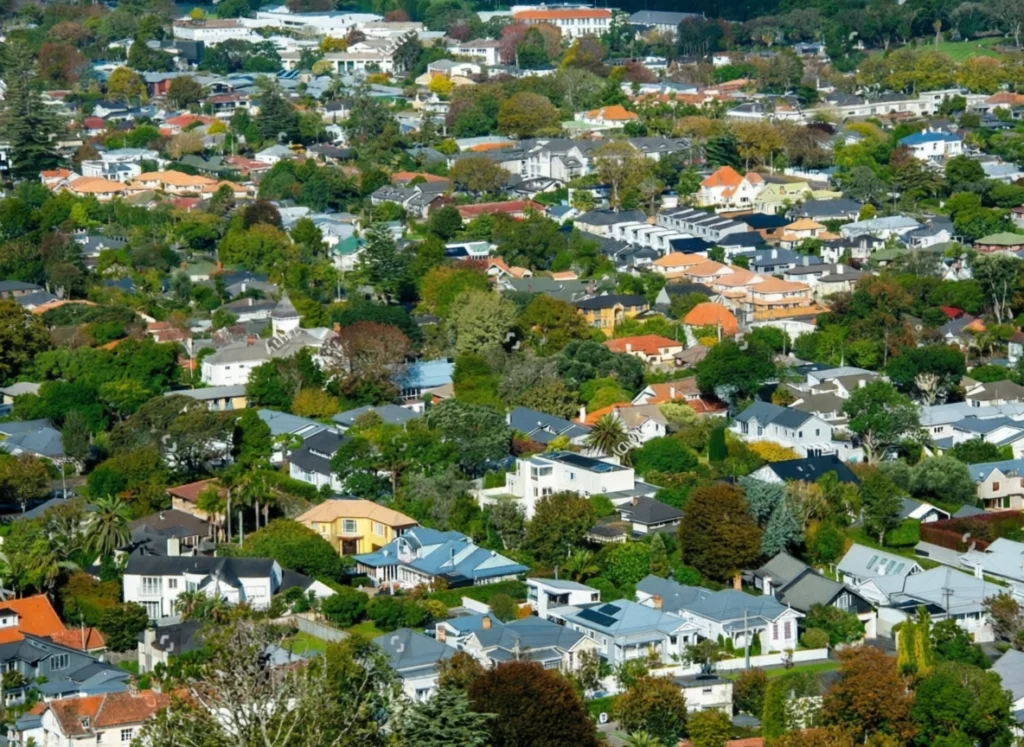
Why You Should Swap Tourist Hubs for Local Neighborhoods
Changing exactly where you sleep completely transforms how you experience a new country. When you boldly step out of the designated tourist zones, you unlock a hidden, highly authentic side of a city. Here are the biggest reasons you should seriously consider becoming a neighborhood nomad on your next journey.
- Authentic Cultural Connection
Tourist hubs frequently present a highly filtered, heavily commercialized version of a city. Restaurants intentionally adapt their traditional recipes to suit foreign palates and offer expensive multi-language menus. Shops sell cheap, mass-produced trinkets that have no real cultural value. In a residential district, you experience the culture in its purest, unfiltered form. You eat the rich, authentic meals that locals genuinely love. You hear the beautiful, natural rhythm of the local language spoken naturally on the streets. You watch how neighbors interact, how families celebrate, and how the community lives day to day.
- Lower Costs and Much Better Value
Businesses operating in heavy tourist areas always charge steep premium prices. A simple cup of coffee near a famous European square can easily cost three times more than the exact same coffee just two miles away. When you sleep, eat, and shop in local neighborhoods, you pay local prices. Your travel budget suddenly stretches much further. You can easily afford longer trips, higher-quality meals, and much more spacious accommodations simply by moving your base away from the crowded center.
- Escaping the Exhausting Crowds
Travel burnout is a very real problem. Fighting your way through packed streets, dodging aggressive street vendors, and standing in endless lines drains your physical and mental energy. Residential districts offer a vital, peaceful retreat. After a long, busy day of exploring, you return to a quiet, safe street. You can sleep peacefully without the booming noise of late-night tourist bars right below your hotel window. This essential peace and quiet helps you recharge, making your entire vacation significantly more enjoyable.
- Supporting the Local Economy Directly
When you stay in a massive major hotel chain, your money often leaves the local community entirely. When you embrace the neighborhood nomad lifestyle, your money goes directly into the hands of the working people who actually live there. You buy your morning fruit from the independent corner grocer. You pay the local cafe owner for your espresso. You directly support the hardworking families that make the neighborhood so vibrant, unique, and welcoming.
Ready to start your neighborhood nomad journey? Save on your airfare so you can spend more on authentic local experiences. Click here to find the best flight deals to these hidden gem destinations.
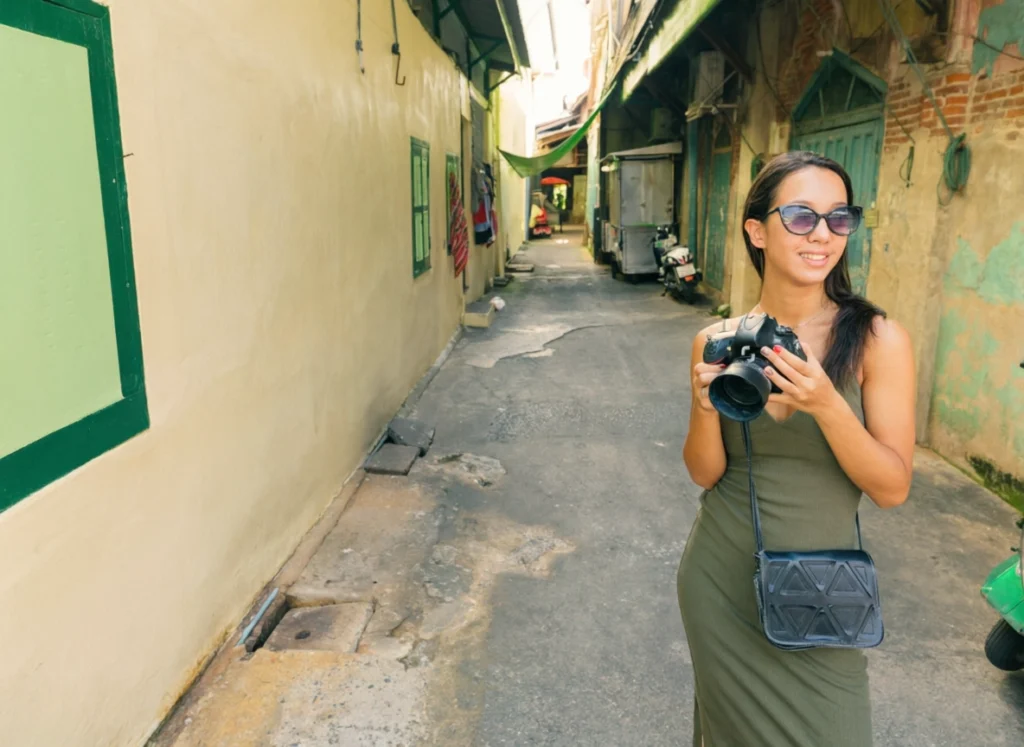
Tourist Hubs vs. Residential Districts – A Quick Comparison
To clearly illustrate the massive difference between these two distinct travel styles, here is exactly what you can expect when you choose a local neighborhood over a highly commercial city center
- Food & Dining
- Tourist Hubs – Expensive, generic, heavily adapted for tourists.
- Residential Districts – Highly affordable, deeply authentic, family-owned.
- General Atmosphere
- Tourist Hubs – Loud, fast-paced, crowded, inherently stressful.
- Residential Districts – Quiet, relaxed, highly safe, community-focused.
- Accommodation Style
- Tourist Hubs – High-priced, tiny, generic hotel rooms.
- Residential Districts – Spacious apartments, charming local guesthouses.
- Human Interactions
- Tourist Hubs – Transactional (tour guides, aggressive vendors).
- Residential Districts – Genuine and warm (neighbors, friendly shop owners).
- Pace of Life
- Tourist Hubs – Rushed, anxious, heavily checklist-driven.
- Residential Districts – Slow, highly observant, spontaneous, mindful.
A Day in the Life of a Neighborhood Nomad
What does this highly rewarding style of travel actually look like in practice? Let us walk through a perfectly balanced day of a traveler who chooses to fully embrace the local rhythm.
The Morning – You gladly skip the overpriced, crowded hotel breakfast buffet. Instead, you take a leisurely five-minute walk to the beautiful corner bakery you discovered yesterday. You confidently order a fresh pastry using your best, broken attempt at the local language. The owner smiles warmly, gently helps you correct your pronunciation, and hands you your delicious food. You sit quietly on a local park bench, eating your breakfast while watching parents walk their children to the neighborhood elementary school.
The Afternoon – You hop on the local public bus to visit one famous museum in the city center. Because you saved so much money on your accommodation and morning meals, you happily pay for a premium, skip-the-line museum ticket. After enjoying the beautiful art for a few hours, the dense, noisy crowds start to overwhelm you. You happily leave the chaotic center behind and head back to your peaceful district.
The Evening – You visit a small neighborhood grocery store. You marvel at the different types of fresh, local produce and unique cultural snacks on the shelves. You buy a few simple ingredients to cook a light, traditional dinner in your rented apartment. Later that night, you take an evening stroll. You stop at a small neighborhood pub filled entirely with locals intensely watching a football match. You order a drink, absorb the lively, highly authentic atmosphere, and feel like you truly belong.
Are you ready to experience this balanced lifestyle for yourself? Click here to browse the best local tours and activities that let you skip the queues, so you can spend less time waiting in crowds and more time living the local experience.
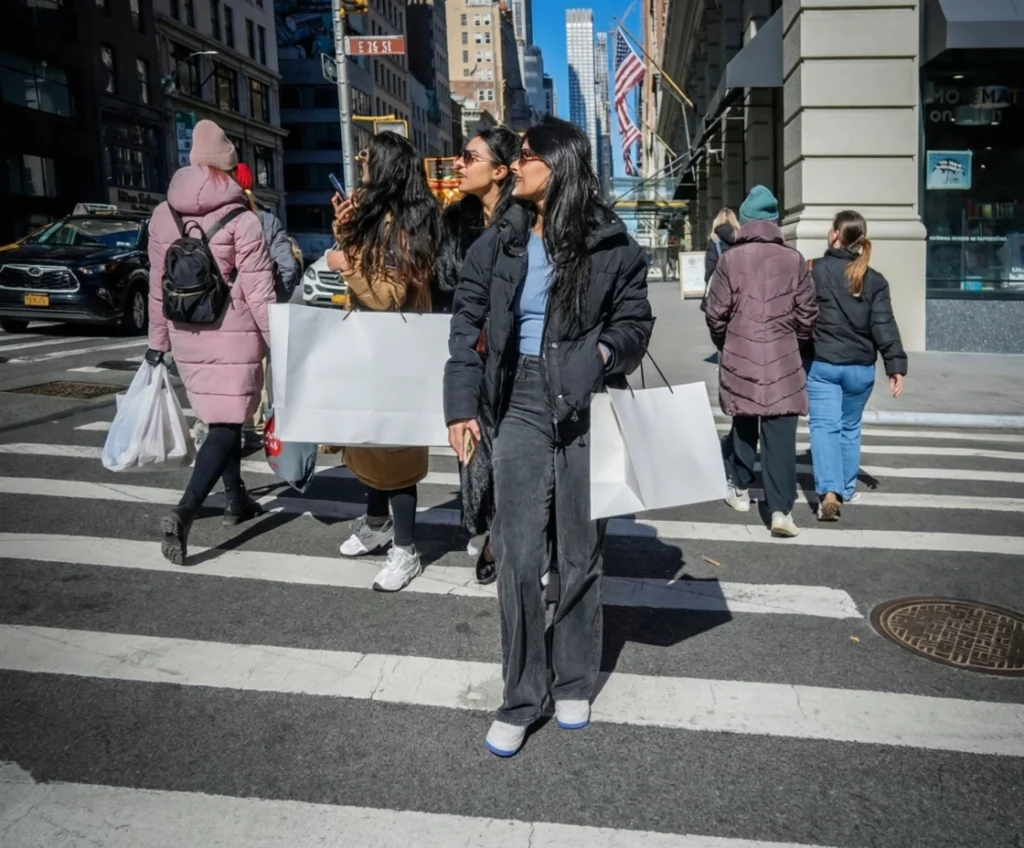
How to Become a Successful Neighborhood Nomad
Transitioning away from traditional, fast-paced tourism requires a slight change in your mindset. You need to let go of the pressure to see absolutely everything. Here are the best practical strategies to ensure your local stay is highly rewarding and deeply memorable.
Find the Right Base
You must do your research before booking your flight. Look for neighborhoods that sit just outside the main city center. You want an area that features highly reliable public transportation, a few green community parks, and a high concentration of grocery stores and cafes. Read independent travel blogs or ask locals on online forums for recommendations on safe, vibrant residential areas. Look for terms like “family-friendly,” “artsy,” or “historic residential.”
Change Your Daily Routine
Do not rush out the door at 8:00 AM with a densely packed itinerary. Take your time. Sit in a local cafe for an hour and just read a book. Visit a local weekend farmers market without planning to buy anything specific. Let the day unfold naturally. Residential travel deeply rewards those who leave wide blank spaces in their daily schedule.
Learn a Little Local Language
In central tourist zones, almost everyone speaks English to accommodate the massive crowds. In residential districts, they usually do not. You must learn the basic phrases: hello, please, thank you, excuse me, and how to order food. Locals deeply appreciate the effort. A simple greeting in their native language breaks the ice instantly and opens doors to wonderful, highly unexpected interactions.
Walk with Purpose
The absolute best way to learn a new neighborhood is on your own two feet. Put your phone in your pocket and simply walk. Notice the unique architecture. Look at how people decorate their front porches or balconies. Discover hidden street art in quiet alleyways. Follow the delicious smell of cooking food. Getting slightly lost in a safe, beautiful neighborhood often becomes the best memory of the entire trip.
Safety Always Comes First
While wandering and getting lost is a highly fun part of the experience, always prioritize your personal safety. Make sure you fully download an offline map on your smartphone before you leave your apartment. Always research the safety profile of a neighborhood thoroughly before you decide to book your stay there.
Top 5 Cities Perfect for Residential Travel Right Now
Some major global cities offer incredible neighborhood experiences that completely outshine their crowded centers. If you want to try this unique travel style, here are five fantastic global destinations that heavily reward the neighborhood nomad.
- Tokyo, Japan (Explore Shimokitazawa)
Most tourists immediately flock to the blinding neon lights of Shinjuku or the massive, chaotic pedestrian crossings in Shibuya. But Tokyo reveals its true, quiet charm in its low-rise neighborhoods. Shimokitazawa offers a bohemian, highly relaxed vibe. It features narrow, car-free streets, amazing vintage clothing stores, tiny independent record shops, and incredibly cozy hidden cafes. You can easily spend three days just wandering its quiet alleys, sipping authentic matcha, and enjoying the peaceful, highly creative atmosphere.
- Paris, France (Discover Belleville)
The areas immediately surrounding the Louvre and the Eiffel Tower look beautiful, but they stay completely packed with tourists year-round. Belleville, located in the eastern part of Paris, offers a totally different, highly authentic experience. It serves as a historic working-class neighborhood rich with vibrant artistic energy. Here, you will find incredible street art, the absolute best local bakeries in the city, and a beautifully diverse community. The panoramic view of the city from Parc de Belleville at sunset looks spectacular, and you will share it almost entirely with local Parisians.
- Mexico City, Mexico (Settle in Roma Sur)
While the historic Zócalo remains a must-see landmark, staying in Roma Sur gives you a fantastic, highly grounded taste of everyday Mexican life. Unlike its highly trendy, expat-heavy neighbor Roma Norte, Roma Sur remains deeply traditional and exceptionally quiet. You can buy fresh, exotic fruit from friendly street vendors, eat world-class tacos at local family-run stalls, and admire the highly colorful, historic architecture lining the quiet, leafy streets.
- Rome, Italy (Stay in Testaccio)
Rome easily overwhelms visitors with its massive, imposing monuments and intense, sweltering summer crowds. Testaccio, a historic working-class district, proudly holds the title of the true heart of Roman food. Instead of eating overpriced, frozen pizza near the Colosseum, you can visit the bustling, highly authentic Testaccio Market. You will eat incredible, fresh pasta alongside local mechanics, office workers, and grandmothers carefully selecting their daily produce.
- London, United Kingdom (Wander through Greenwich)
Central London feels fast, furious, and highly corporate. Greenwich, located in the southeast along the river, feels like a completely separate, peaceful maritime village. It offers expansive green parks, stunning historic architecture, and a fantastic, highly vibrant local market. You can enjoy a quiet pint of ale in a centuries-old pub right by the water, feeling completely removed from the highly stressful chaos of Piccadilly Circus.
Ready to trade the tourist traps for authentic local living? Click here to find the best deals on apartments and extended stays in these hidden gem neighborhoods.
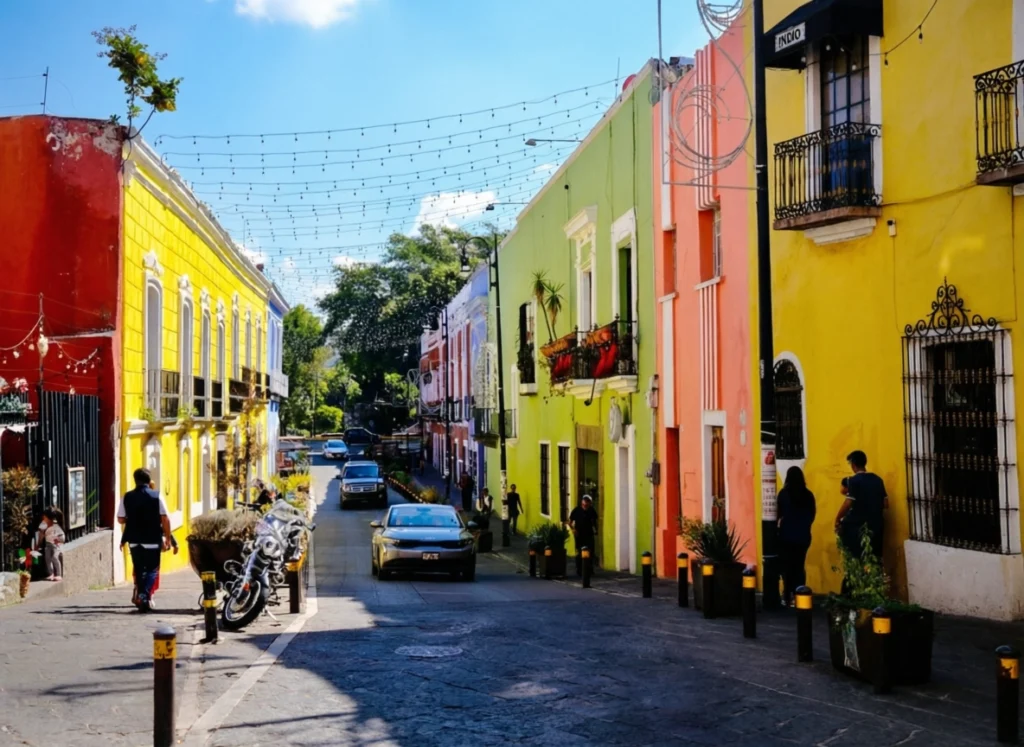
Essential Tools for the Neighborhood Navigator
Living like a local requires a few modern digital tools to make your journey completely smooth and stress-free. Here is exactly what you should load onto your smartphone before your airplane lands.
- Google Translate – You must download the offline language pack for your specific destination. The live camera feature works perfectly for instantly translating local restaurant menus or grocery store labels that do not feature English translations.
- Citymapper or Local Transit Apps – Navigating local buses and complex subway lines is highly crucial for a neighborhood nomad. Specialized local transit apps often provide much more accurate schedules and platform details than standard map applications.
- Local Food Discovery Apps – Find out exactly what restaurant review app the locals actually use. For example, you should use Tabelog in Japan, TheFork in Europe, or Zomato in certain parts of Asia to find genuine, highly rated hidden dining gems.
- Google Maps (Offline Mode) – Always strictly download your specific neighborhood map for offline use. Pin your apartment, the nearest grocery store, the closest pharmacy, and your local subway station so you never get hopelessly lost without internet access.
Tips for Respecting the Local Community
When you actively choose residential travel, you enter as a guest into someone else’s daily life. It is absolutely crucial to remain highly respectful at all times. You are not walking through a manufactured theme park; you are visiting a living, breathing community where people work, sleep, and raise their families.
First, always be highly mindful of your noise level. Rolling heavy, hard plastic suitcases over cobblestone streets at 5:00 AM deeply disturbs people who need to wake up for work. Speaking loudly late at night on a quiet residential street shows a complete lack of respect. Keep your voice down and strictly honor the quiet hours of the apartment building you stay in.
Second, heavily prioritize the local economy. Do not just rent an apartment and then buy all your daily groceries from a massive, multinational supermarket chain. Buy your daily bread from the independent baker down the street. Get your morning coffee from the locally owned cafe. Spend your travel funds in a way that directly uplifts the specific neighborhood you are enjoying.
Finally, deeply respect personal privacy. A beautifully painted residential doorway or an older local citizen playing with their dog might look like a perfect photo opportunity for your social media profile. However, always remember that these are real people simply living their private lives. You must always ask for clear permission before taking photos of individuals or standing on their private property.
Travelers seeking to fully embrace this immersive lifestyle can browse verified residential accommodations through this link. Selecting these vetted options ensures one secures a spacious, community-focused stay that perfectly complements the neighborhood nomad experience.

Inspiring Stories from Neighborhood Nomads
Hearing directly from others who have fully embraced this slow lifestyle proves just how incredibly rewarding it can be. When you finally let go of the highly stressful tourist checklist, the real magic of travel happens.
“I spent two entire weeks in a tiny, totally unknown neighborhood in Lisbon. I never once went to the famous castles or stood in line for the highly crowded tram. Instead, I became good friends with the older gentleman who ran the corner newspaper kiosk. Every single morning, he patiently taught me three new Portuguese words. On my very last day, he handed me a small bag of local pastries as a heartfelt farewell gift. That genuine human connection was worth infinitely more to me than any expensive museum ticket.”
— Sarah T., Solo Slow Traveler
“We decided to swap a fancy, highly expensive hotel in central Kyoto for a tiny, traditional wooden house in a deeply quiet residential district. Waking up to the gentle sound of temple bells in the distance, and watching the neighborhood slowly and quietly come to life each morning, gave us a deep, highly profound sense of peace. It completely changed how we view travel forever.”
— Mark and Elena, Travel Enthusiasts
Conclusion | Embrace the Slow Pace
The world is vast, stunningly beautiful, and full of famous, world-renowned sights that are absolutely worth seeing. But a city’s true soul never truly lives in its grandest monuments or its busiest, most commercial shopping streets. It lives entirely in its everyday people, its quiet daily routines, and its charming, highly unassuming neighborhoods.
By fully embracing residential travel, you give yourself the ultimate luxury: the precious gift of time. You remove the heavy, anxious pressure of performing as the perfect tourist. You allow yourself the complete freedom to simply exist comfortably in a new corner of the world. The very next time you plan a vacation, dare to skip the central hub. Book a comfortable place in a quiet district, find a friendly local cafe, sit back, and watch the real, deeply authentic city unfold right before your eyes. You will likely find that your absolute best travel memories are the quiet, everyday moments you never even planned.