Exploring the Atlas Mountains is an incredible journey into the heart of North Africa’s most dramatic landscapes. If you want to experience true adventure travel in Morocco, you must leave the bustling city of Marrakech behind and head up into the towering peaks and hidden valleys. To achieve a successful trip to the Atlas Mountains, you need a clear goal, a good understanding of the local culture, and a solid plan for your routes. This guide helps you visualize the vast mountain range, choose the best Berber villages to visit, and prepare for the ultimate high-altitude trek.
Thank you for reading this post, don't forget to subscribe!You will find high-quality trails, ancient mud-brick homes, and welcoming locals who have lived in these mountains for centuries. The scenery is breathtaking and deeply rewarding. Much like the rugged isolation and dramatic landscapes you experience when traveling in the Scottish Highlands, the Atlas Mountains offer a profound sense of wild beauty and isolation. However, instead of misty green glens, you will find sun-drenched terracotta valleys, snow-capped peaks, and lush walnut groves. Implementing simple travel strategies, like hiring local guides and pacing your hikes, will significantly improve your experience and ensure your safety in these remote regions.
or those ready to embark on this journey, travelers can seamlessly compare and book flights to the Atlas Mountains region to secure the best travel dates and begin their North African adventure.
Understand the Atlas Mountain Regions
Begin by choosing the specific region that sparks your interest. The Atlas Mountains stretch across northwestern Africa, but travelers primarily focus on the Moroccan sections. When you identify the type of landscape you prefer, you can build a successful itinerary that meets all your travel goals. You need to align your physical fitness level and your desire for cultural immersion with the right mountain zone. Additionally, following these regional breakdowns will strengthen your overall travel strategy.
- Explore the High Atlas to witness the tallest peaks in North Africa, including Mount Toubkal, and experience dramatic, steep valleys that challenge even experienced hikers.
- Visit the Middle Atlas if you prefer rolling hills, dense cedar forests, and opportunities to spot the native Barbary macaque monkeys in their natural habitat.
- Journey to the Anti-Atlas for dry, rugged, and rocky landscapes that feature incredible geological formations and traditional painted rocks.
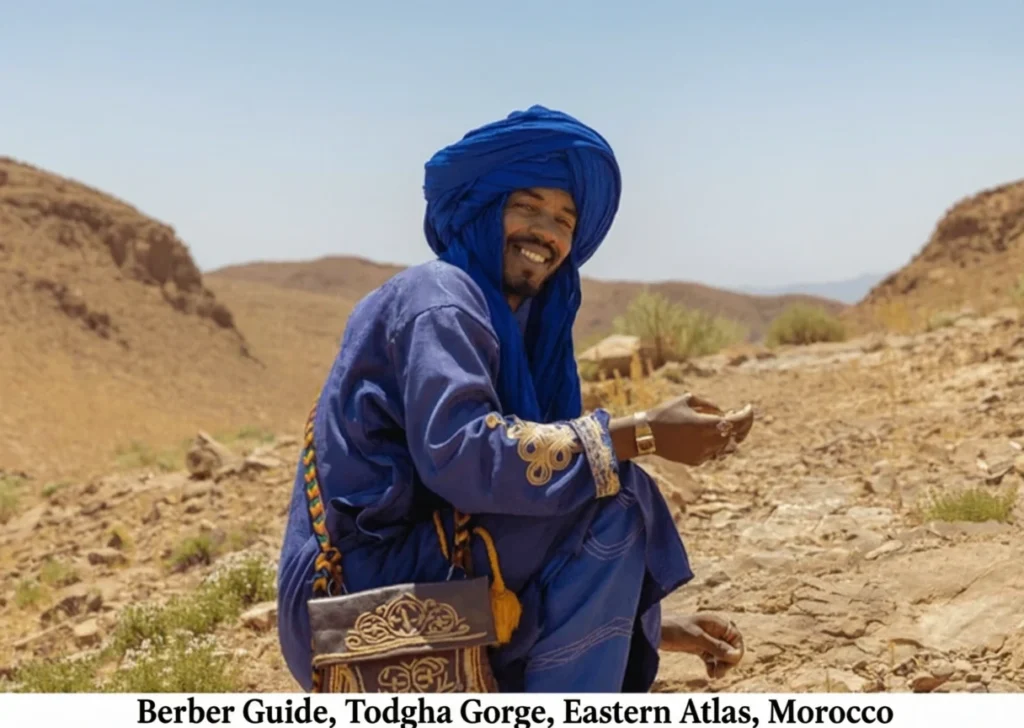
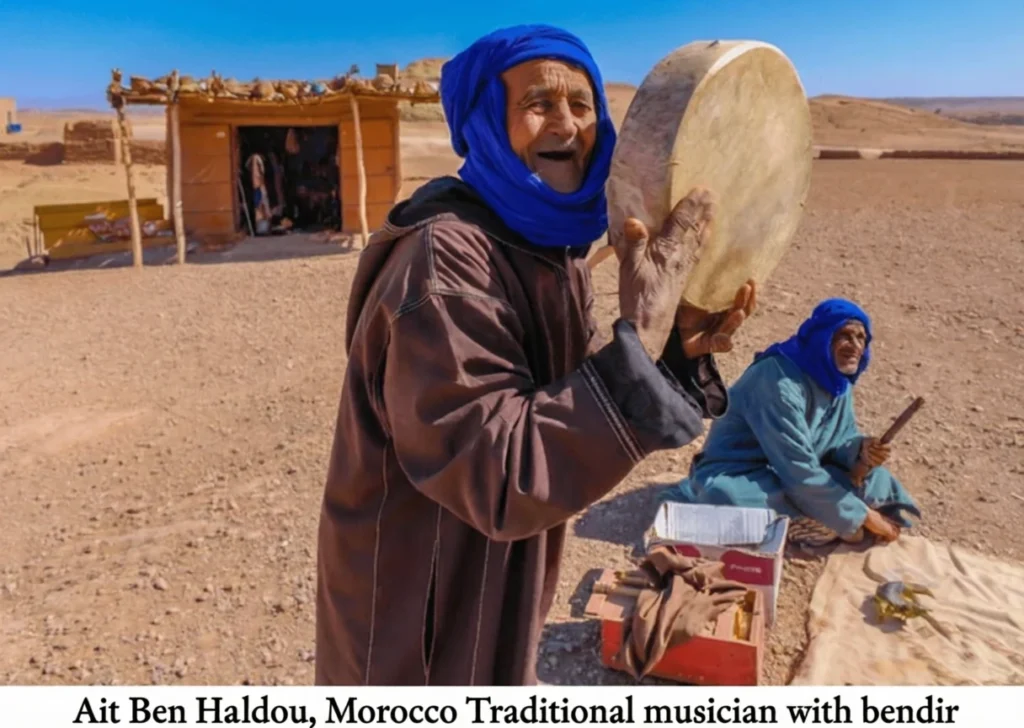
- Connect with local Amazigh (Berber) communities in the valleys, learning their traditional farming methods and experiencing their legendary hospitality.
- Adjust your travel plans based on the season; snow blocks many high passes in the winter, making spring and autumn the most reliable times to visit.
- Invest in local resources by hiring certified mountain guides and staying in family-run guesthouses, which directly supports the remote village economy.
In short, you must explore all available options and plan carefully to achieve a rewarding journey in the Atlas Mountains. Continuous research and careful preparation will help you build a strong and unforgettable travel experience.
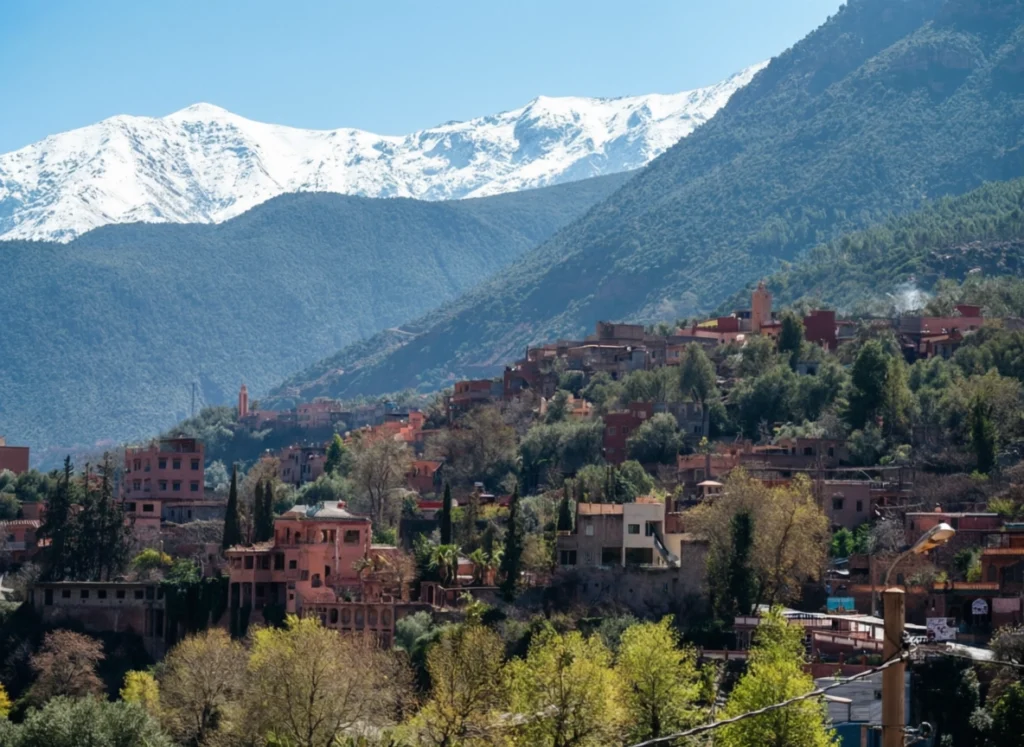
– Mountains of Atlas loom over village in Morocco with rich greenery and snow-capped peaks –
Plan Your Village Visits
Planning which Berber villages to visit forms the foundation of your mountain adventure. Each settlement offers a unique vibe, different altitudes, and specific access points to the mountain peaks. Here are the top villages that will help you craft a successful itinerary.
- Imlil – The Gateway 📌 Before starting any major trek, you will likely pass through Imlil. This bustling village serves as the main hub for hikers heading to Mount Toubkal and offers plenty of gear rental shops and cozy guesthouses.
- Aroumd – The Scenic Balcony 📌 Located just a short hike above Imlil, Aroumd provides stunning panoramic views of the Toubkal massif. Its terraced apple orchards and traditional architecture make it a perfect overnight spot.
- Tacheddirt – The High Altitude Escape 📌 Sitting at over 2,300 meters, Tacheddirt is one of the highest settlements in Morocco. It attracts travelers looking for off-the-beaten-path trails and deep cultural immersion.
- Ait Benhaddou – The Historical Kasbah 📌 Though situated on the southern slopes connecting the Atlas to the Sahara, this UNESCO World Heritage site showcases ancient mud-brick architecture and historical caravan routes.
- Ourika Valley Villages 📌 If you have limited time, the villages along the Ourika River offer excellent day trips from Marrakech. You can hike to the seven waterfalls of Setti Fatma and enjoy riverside dining.
- Ouirgane – The Hidden Gem 📌 Located at a lower altitude, Ouirgane features red-earth hills, pine forests, and a tranquil lake. It serves as an excellent base for relaxed walking and horseback riding.
- Engaging with Locals 📌 You must interact respectfully with the villagers. Greeting people with “Salaam Alaikum” and accepting invitations for mint tea goes a long way in building positive connections.
- Patience and Flexibility 📌 Traveling in remote mountain areas requires patience. Mountain weather changes rapidly, and transport delays happen. Keep a flexible mindset to enjoy the journey.
By focusing on these specific villages, you will increase your chances of experiencing the authentic Atlas Mountains and leave a positive impact on the communities you visit.
Finding a welcoming place to rest is a key part of the experience. Visitors can effortlessly discover and book hotels and accommodations in the Atlas Mountains, ranging from cozy village guesthouses to luxurious mountain retreats.
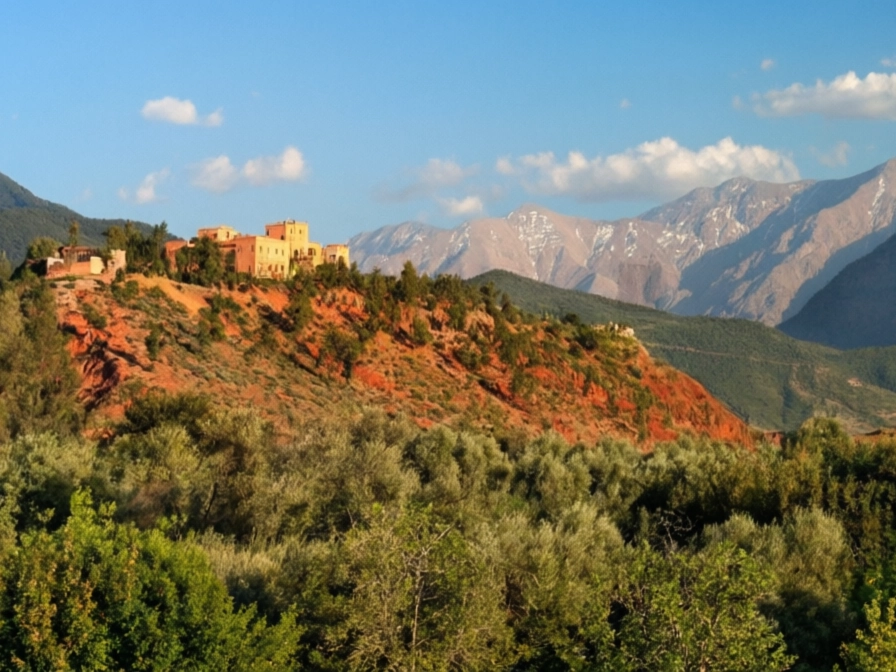
– The hotel Kasbah Bab Ourika, Ourika Valley, Atlas Mountains –
Compare Key Atlas Destinations
To help you make the best decision for your trip, look at this simple comparison of the most popular Atlas Mountain destinations. Understanding altitude and difficulty levels ensures you pick the right spot for your physical ability and time constraints.
Destination | Altitude | Vibe & Experience | Best For |
Imlil | 1,740 m | Busy, energetic, hiker-focused, well-equipped. | Basecamp preparation, gear rental, meeting guides. |
Aroumd | 1,900 m | Peaceful, traditional, stunning mountain views. | Acclimatization, photography, relaxing before a big trek. |
Tacheddirt | 2,314 m | Remote, isolated, authentic, rugged terrain. | Experienced hikers, cultural immersion, crowd-free trekking. |
Ourika Valley | 1,200 m | Lush, accessible, riverside cafes, tourist-friendly. | Day trips, families, light hiking, waterfall chasing. |
Mount Toubkal Peak | 4,167 m | Extreme, rewarding, physically demanding, cold. | Peak baggers, serious adventurers, challenge seekers. |
Using this comparison table, you can map out a route that aligns perfectly with your goals. Mixing a few days in a lower valley with a high-altitude challenge provides a balanced and unforgettable Moroccan adventure.
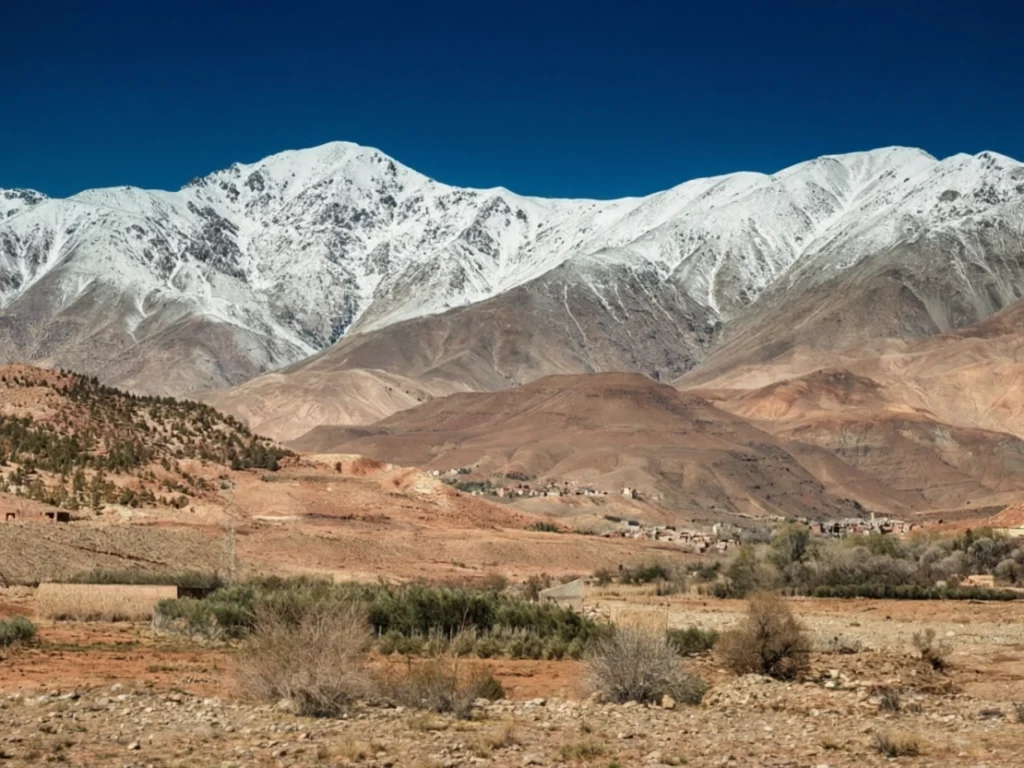
– Stunning landscape of snow capped Atlas Mountains –
Focus on Health, Safety, and Gear
Your attention to health, safety, and proper gear acts as the primary strategy for a successful mountain trek. Packing high-quality equipment and understanding altitude challenges will keep you safe on the trails. Here are the most vital strategies for staying healthy and safe in the Atlas Mountains.
- Acclimatize Properly Take your time ascending to higher altitudes. Spend at least one night in a village like Imlil or Aroumd before attempting the Toubkal summit to prevent altitude sickness.
- Pack Versatile Layers Mountain weather fluctuates wildly. Bring moisture-wicking base layers, an insulating fleece, and a windproof/waterproof jacket to adapt to changing conditions.
- Invest in Quality Footwear Wear sturdy, broken-in hiking boots with excellent ankle support. The trails feature loose scree and rocky paths that demand solid grip.
- Purify Your Water Always treat your drinking water. Carry a reusable bottle with a built-in filter, or bring water purification tablets to avoid stomach issues during your trek.
- Hire a Local Guide Do not hike the high peaks alone. The local government mandates hiring a certified guide for Toubkal. Guides keep you safe, navigate unmarked trails, and share rich local history.
- Carry Comprehensive First Aid Pack a customized medical kit containing blister plasters, painkillers, anti-diarrhea medication, and any personal prescriptions.
- Bring Sufficient Cash ATMs do not exist in remote Berber villages. Withdraw enough Moroccan Dirhams in Marrakech to cover your guesthouses, food, tips, and emergency mules.
By following these preparation guidelines, you will dramatically improve your physical comfort and safety. This allows you to focus entirely on the stunning landscapes, contributing directly to your success in the Atlas Mountains.
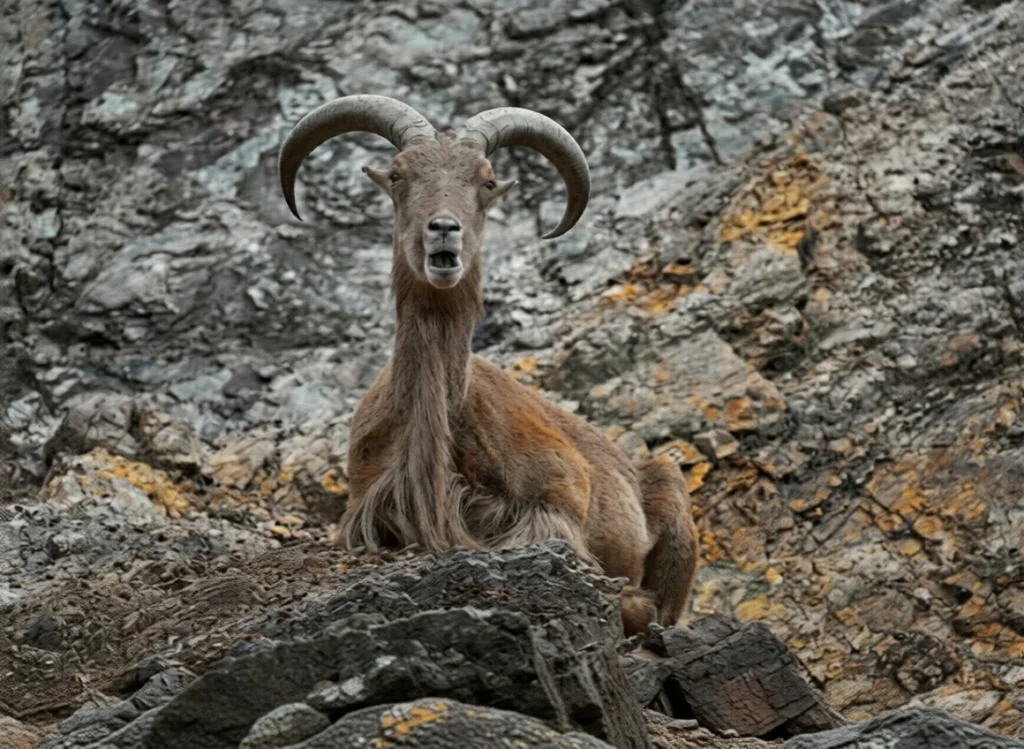
– Barbary Sheep, Ammotragus lervia, Morroco, Africa. Animal in the nature rock habitat. Wild sheep on the stone, horn animal in the mountain –
Conquering Mount Toubkal (4,167m)
Climbing Mount Toubkal remains the ultimate goal for many travelers visiting Morocco. As the highest peak in North Africa, it demands respect, preparation, and determination. When you reach the summit, the panoramic view of the Sahara to the south and the Marrakech plains to the north will leave you breathless. The trek usually takes two to three days, depending on your pace.
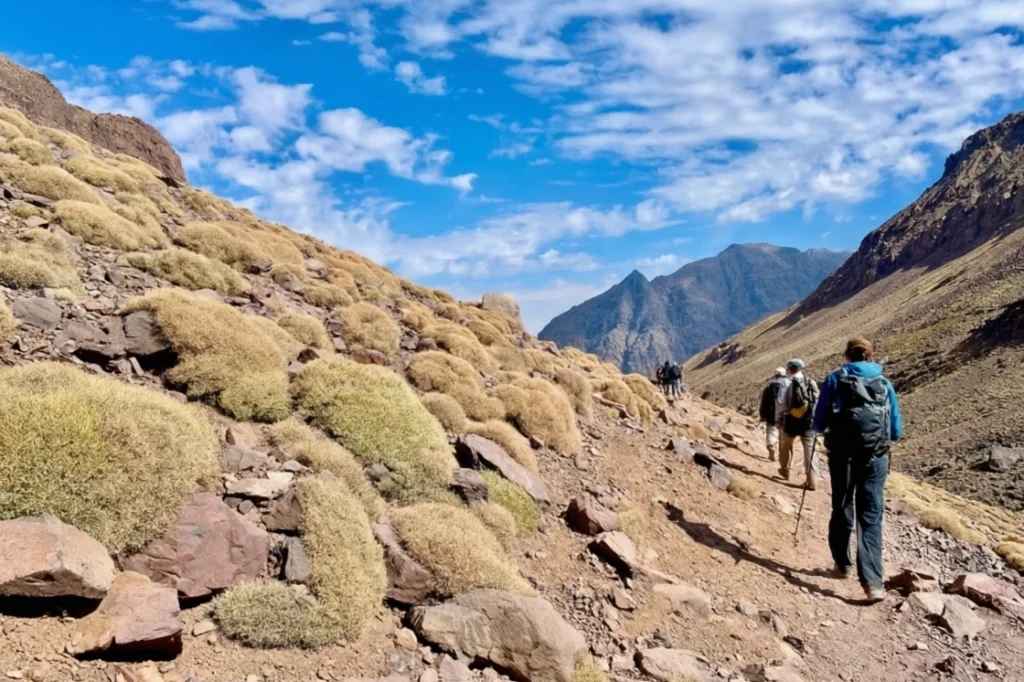
Your ascent typically begins in Imlil, winding through the Mizane Valley and passing the holy shrine of Sidi Chamharouch. This trail tests your endurance, but the lack of technical climbing makes it accessible to fit hikers. You will spend the night at the Toubkal Refuge, resting and fueling up with hot tagine before a pre-dawn alpine start.
The final push to the summit involves navigating steep, rocky zig-zags. Breathing becomes difficult as the air thins, but the golden sunrise breaking over the jagged peaks provides ultimate motivation. By treating the mountain with respect and listening to your guide, you ensure a safe and triumphant climb. Therefore, do not underestimate the physical demand of this trek; prepare your body with cardiovascular training months in advance.
In short, you cannot experience the true majesty of the Atlas Mountains without acknowledging the power of Mount Toubkal. If you want to push your physical limits and achieve a monumental goal, commit to the Toubkal trek. The reward at the top is worth every difficult step.
To ensure a safe and expertly navigated trek, adventurers should consider professional guidance. Travelers can easily explore and book guided tours and activities in the Atlas Mountains to make the most out of their summit attempts and cultural excursions.
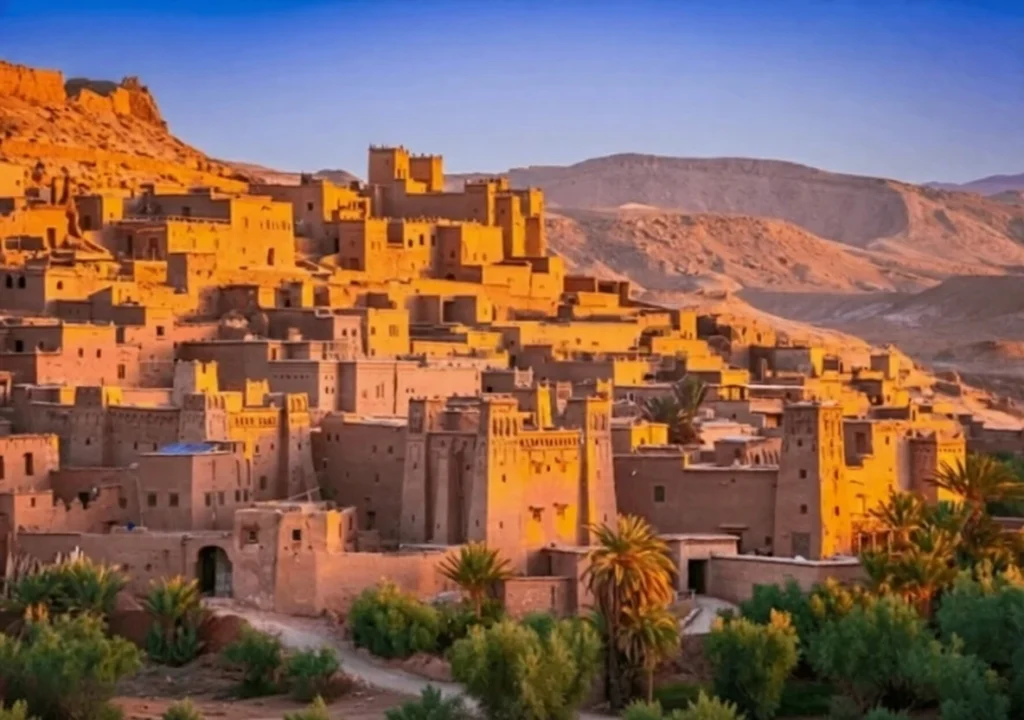
– Ait-Benhaddou, Morocco – Ancient kasbah, Atlas Mountains –
Embrace Berber Culture and Hospitality
Interacting with the local Amazigh (Berber) people is one of the most enriching aspects of your journey. When you build strong, respectful relationships with the locals, you elevate your trip from a simple hiking vacation to a profound cultural exchange. Here are the most effective ways to embrace the local culture during your visit.
- Respect Modest Dress 👈 Always dress conservatively. Both men and women should keep their shoulders and knees covered out of respect for the traditional Islamic culture of the mountain villages.
- Accept Mint Tea 👈 “Moroccan Whiskey,” as the locals jokingly call it, is a symbol of hospitality. When a local offers you sweet mint tea, accept it with a smile. It is an invitation to connect.
- Learn Basic Phrases 👈 Learn a few words of Tashelhit (the local Berber dialect) or Arabic. Saying “Tanmirt” (Thank you in Berber) will instantly bring warm smiles to the villagers’ faces.
- Eat Locally 👈 Embrace the local cuisine. Enjoy slow-cooked chicken and lemon tagines, fluffy couscous, and freshly baked flatbreads prepared by your guesthouse hosts.
- Ask Before Photographing 👈 Never take close-up photos of locals, especially women and children, without asking for explicit permission first. Respect their privacy and right to decline.
- Support Local Artisans 👈 Buy souvenirs directly from the source. You will find women’s cooperatives selling handmade argan oil, woven rugs, and silver jewelry. This supports the local economy directly.
By adopting these cultural strategies and showing genuine respect to your hosts, you will build incredible memories and ensure a meaningful and sustainable journey in the Atlas Mountains.
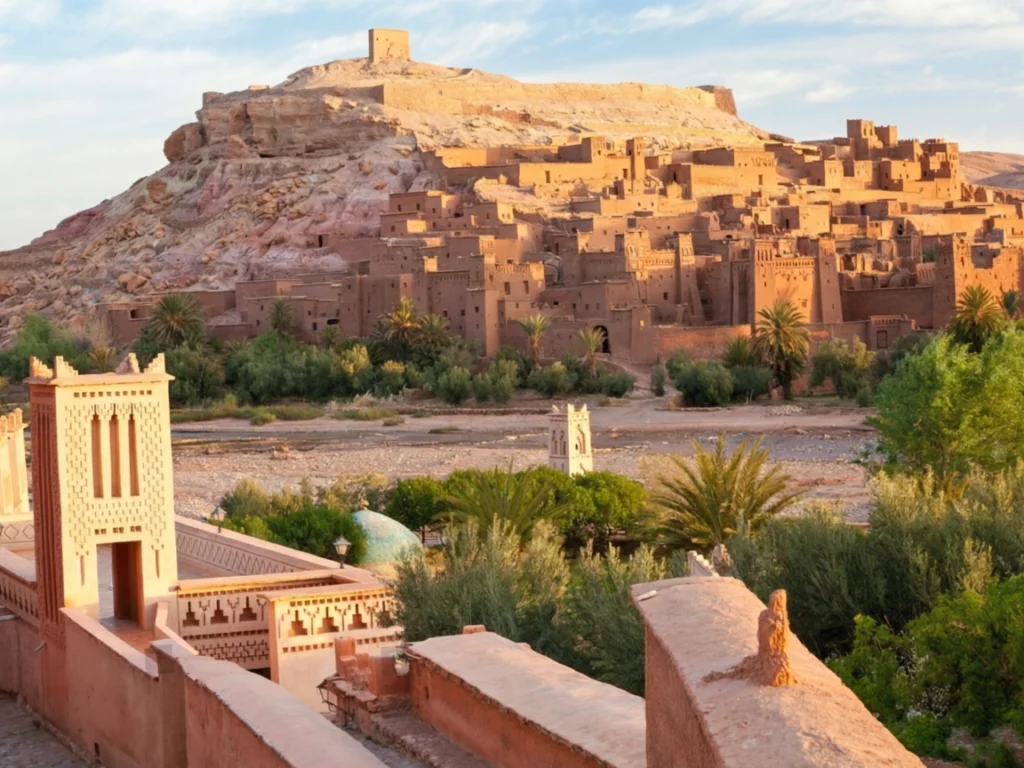
– Aït Benhaddou,a historic ighrem or ksar along the former caravan route between the Sahara and Marrakesh, classified as World heritage by UNESCO, High Atlas Mountains –
Connect With Nature and Practice Eco-Tourism
In the fragile environment of the High Atlas, practicing responsible eco-tourism ensures that these beautiful landscapes remain pristine for future generations. The mountain ecosystem faces threats from over-tourism, litter, and climate change. You play a crucial role in preserving the environment when you travel mindfully.
- Follow Leave No Trace Principles Carry out all your trash, including biodegradable items like fruit peels, which take years to decompose in the cold, dry high-altitude climate.
- Conserve Water Water is a precious resource in the mountains. Take short showers at your guesthouses and avoid polluting rivers and streams with chemical soaps.
- Stay on Marked Trails Avoid taking shortcuts. Walking off the path causes soil erosion and damages fragile alpine flora that struggles to survive in harsh conditions.
- Support Eco-Friendly Lodges Choose to stay in guesthouses that utilize solar power, manage their waste responsibly, and employ local staff under fair working conditions.
- Respect Wildlife If you encounter Barbary macaques or mountain birds, observe them from a distance. Never feed wild animals, as it disrupts their natural foraging habits.
- Minimize Plastic Use Bring your own reusable water bottle and cloth shopping bags. The remote villages do not have advanced recycling facilities to process single-use plastics.
- Hire Ethical Muleteers If you use mules to carry your heavy bags, ensure the local guide company treats their animals humanely, limits the weight they carry, and feeds them properly.
- Educate Others Share your sustainable travel practices with fellow hikers. Positive influence on the trail creates a culture of respect and environmental awareness.
In summary, your connection to the environment matters deeply. By committing to eco-friendly practices, your visit actively protects the Atlas Mountains rather than harming them. Through mindful travel, you support local communities and preserve the spectacular natural beauty of the region. Make ethical choices, leave only footprints, and enjoy the pristine nature of the high peaks.
Crafting Your Ideal 5-Day Itinerary
Creating a well-paced itinerary forms the backbone of your mountain adventure. Rushing through the peaks causes fatigue and altitude sickness. A structured plan allows you to absorb the culture, conquer the trails, and return safely. Here is an ideal five-day plan to maximize your experience.
Day One involves leaving Marrakech and driving through the winding mountain roads to Imlil. You spend the afternoon taking a gentle acclimatization walk through the walnut groves up to Aroumd. You check into a traditional guesthouse, drink mint tea on the terrace, and prepare your gear for the days ahead.
Day Two marks the beginning of the Toubkal ascent. You leave Aroumd early in the morning and hike steadily uphill alongside the river. The trail passes the shrine of Sidi Chamharouch, where you can buy fresh orange juice from local vendors. You arrive at the Toubkal Refuge by mid-afternoon, resting at 3,200 meters to acclimatize to the thinning air.
Day Three delivers the ultimate challenge. You wake up before dawn, strap on your headlamp, and begin the steep climb. The rocky terrain requires focus. You reach the summit of Mount Toubkal just as the sun rises over the anti-Atlas range. After taking photos and celebrating, you begin the long, knee-testing descent back to the refuge, and eventually, all the way down to Imlil.
Day Four focuses on recovery and cultural exploration. Instead of rigorous hiking, you hire a car to visit the neighboring Azzaden Valley. Known for its brilliant red earth and terraced farms, this valley offers a quiet, tourist-free environment. You eat lunch with a Berber family and learn about traditional rug weaving.
Ultimately, a well-planned itinerary balances intense physical challenges with deep cultural immersion. It prevents burnout and allows you to appreciate the diverse beauty of the mountains. Tailor your days to your fitness level, and you will secure an unforgettable experience in the Atlas Mountains.
Cultivate Patience and Resilience
Patience and resilience act as the ultimate keys to success in adventure travel. In a rugged environment filled with unpredictable weather and challenging terrain, you must adapt to changing circumstances. Building resilience does not happen overnight; it requires a steady mind and a positive attitude.
- Embrace trail delays gracefully.
- Push through physical fatigue.
- Adapt to sudden weather shifts.
- Communicate patiently despite language barriers.
- Trust your local guide’s decisions.
- Maintain a positive mindset.
- Celebrate small daily victories.
Remember something very important – Trekking in the Atlas Mountains demands physical effort and mental toughness. You might face blisters, fatigue, or minor setbacks along the trail. Overcoming these hurdles is the true definition of a successful adventure. Remember that moving forward, one step at a time, guarantees your arrival at the summit. My advice to you, fellow traveler, is to train your body and mind before stepping onto the mountain.
Therefore, do not hesitate to face the steep climbs and unpredictable elements. Approach the mountains with an open heart, and remember always that perseverance is the key to unlocking the most breathtaking views and authentic experiences in the Atlas range.
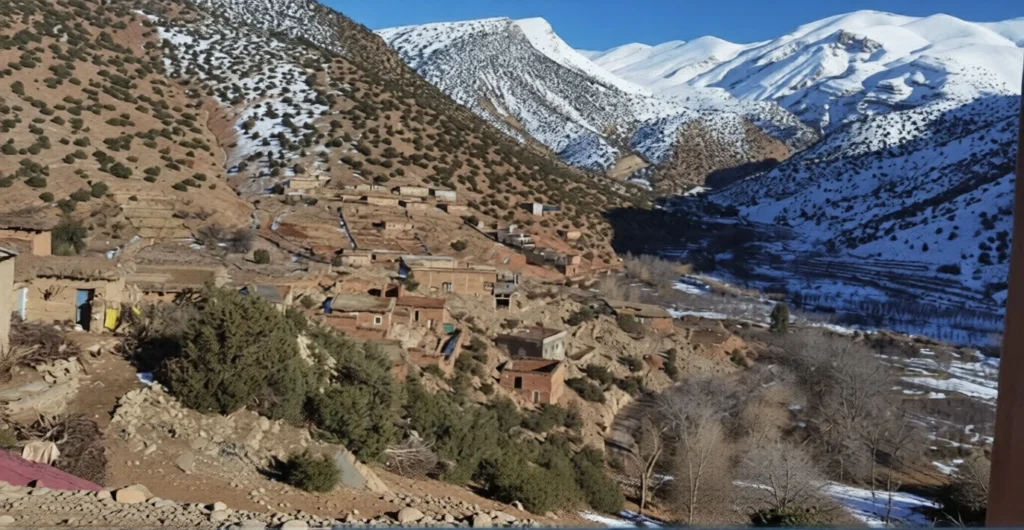
– Mountains, atlas, morocco snow, village –
Conclusion
Ultimately, planning a journey to the remote Atlas Mountains requires a perfect balance of physical preparation, cultural respect, and logistical planning. You must approach the mountains with enthusiasm and a willingness to step outside your comfort zone. By understanding the distinct regions, packing the correct gear, and engaging respectfully with the Berber communities, you guarantee a trip filled with value and wonder.
Furthermore, you must adopt responsible travel strategies to protect the fragile environment and support the local economy. Whether you aim to conquer the summit of Mount Toubkal or simply wish to sip mint tea in a quiet valley, these mountains offer an unparalleled escape. By applying these guidelines thoughtfully, you will return home with incredible stories, a deeper worldview, and a profound love for Morocco’s majestic peaks.