South Africa is famous for its breathtaking landscapes, diverse wildlife, and a vibrant culture that earns it the title of the Rainbow Nation. Among its many cultural treasures, the local cuisine tells the most fascinating stories. At the heart of this culinary heritage lies a dish that perfectly captures the spirit of the nation. Exploring the history of this dish gives you much more than just a great meal. When you look for an authentic Bobotie recipe, you actually unlock a rich historical journey that spans continents, oceans, and centuries. This article takes you on an exciting adventure to discover the roots of this beloved South African classic.
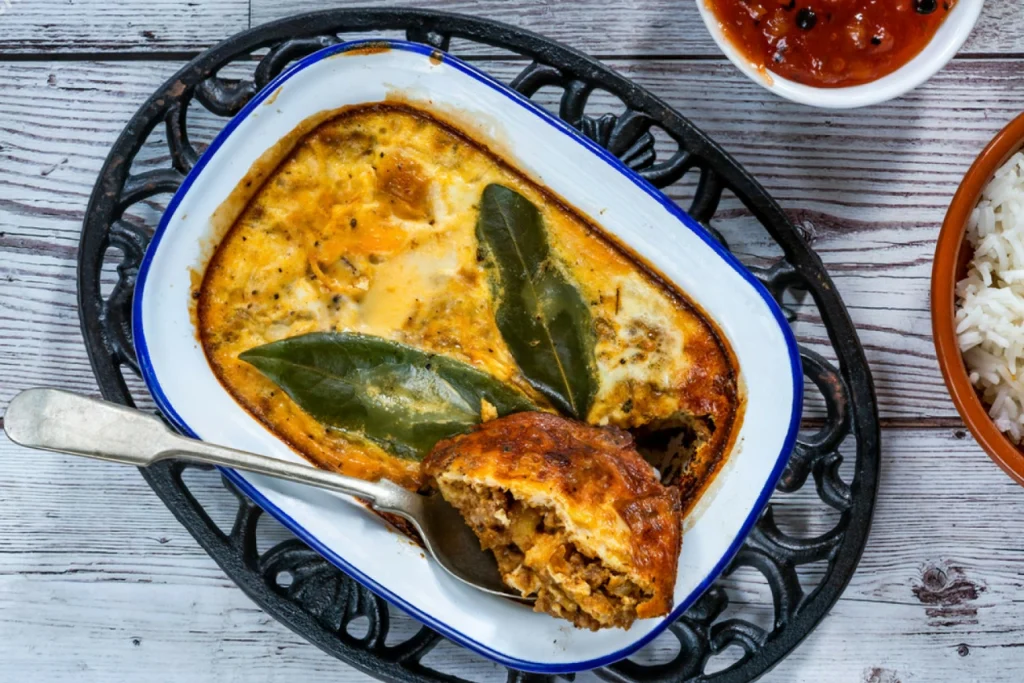
Thank you for reading this post, don't forget to subscribe!You create a memorable dining experience when you combine sweet, savory, and spicy flavors in perfect harmony. A traditional bobotie features spiced minced meat baked with a creamy, golden egg custard topping. To master this dish, you need to understand the people who created it. The Cape Malay community shaped the culinary landscape of South Africa, and their influence remains incredibly strong today. By learning their story, you improve your cooking skills and gain a deep appreciation for the historical significance of the food on your plate.
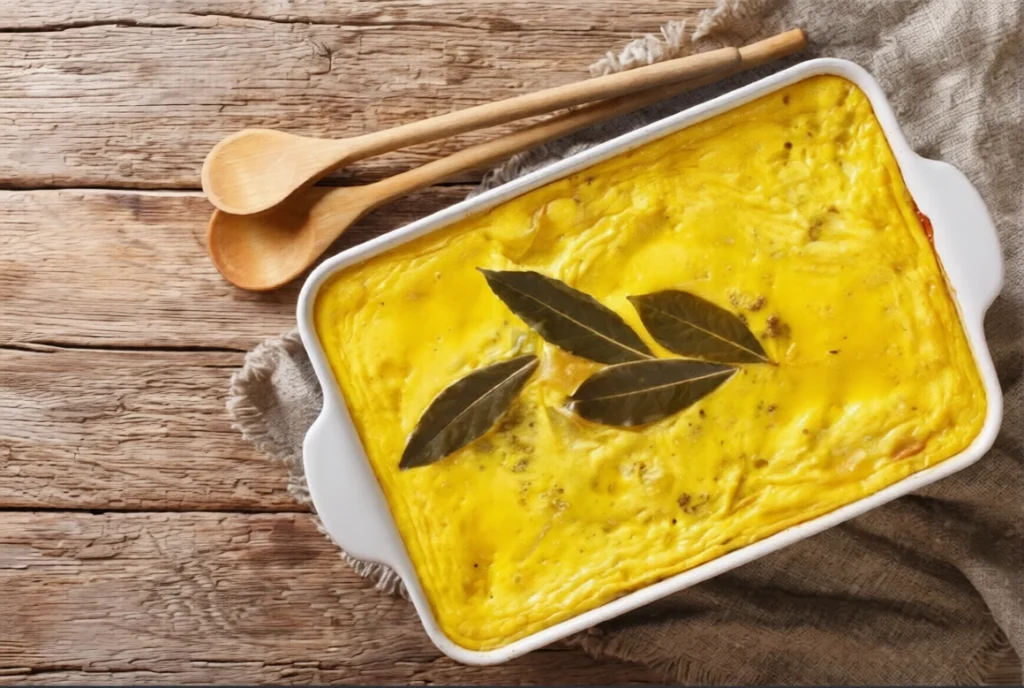
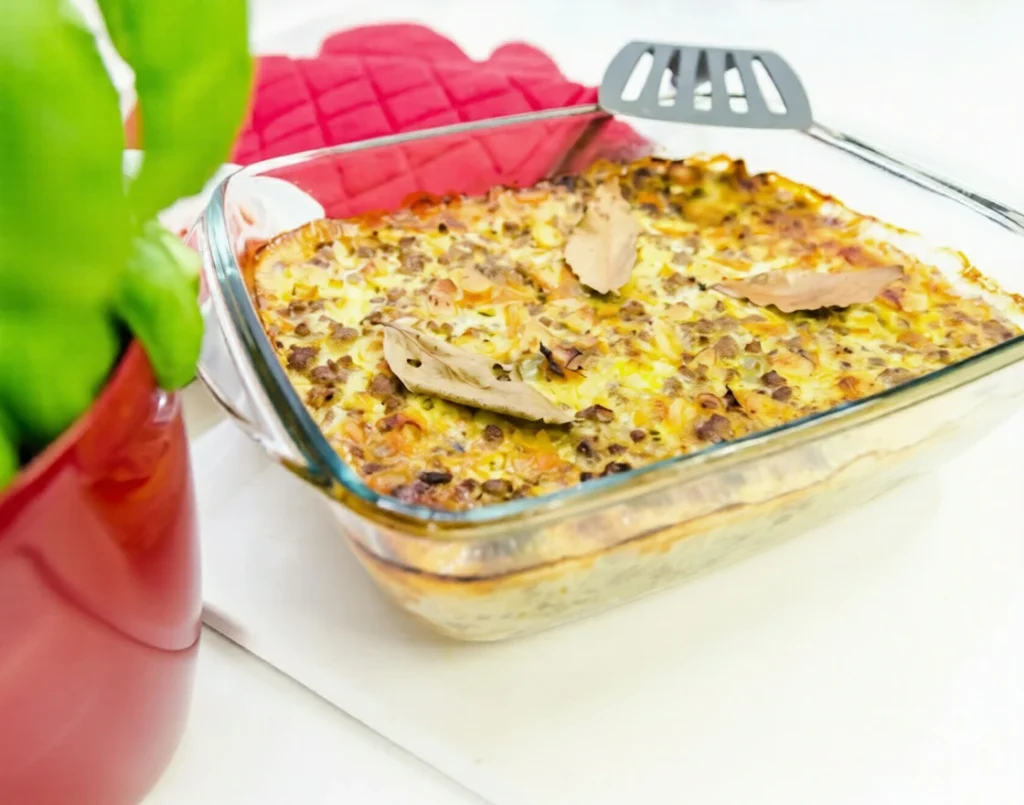
Bobotie South African dish consisting of spiced minced meat baked with an egg based topping close-up in a baking dish on the table
Discover the Cape Malay Heritage
To truly understand this dish, we must travel back to the 17th century. The Dutch East India Company established a refreshment station at the Cape of Good Hope in 1652. They needed workers to build the settlement and farm the land. As a result, they brought enslaved people and political exiles from their colonies in the East Indies, primarily from present-day Indonesia, Malaysia, and India. These resilient individuals formed the foundation of the Cape Malay community. They brought their rich culture, their Islamic faith, and most importantly, their incredible knowledge of spices. Here are the key historical elements that shaped the culinary fusion we see today.
- The Spice Route Connection 📌 The Dutch controlled the global spice trade during this era. The enslaved Southeast Asian people had expert knowledge on how to blend these expensive spices like nutmeg, cloves, and turmeric to preserve meat and enhance flavors.
- Adaptation of Ingredients 📌 The original cooks could not find their native ingredients at the Cape. They creatively substituted missing items with local South African produce, African game meats, and Dutch staples like milk and bread.
- The Origin of the Name 📌 Food historians believe the name originates from the Indonesian dish “Bobotok,” which consists of meat and coconut milk cooked in banana leaves. Over time, the recipe evolved to fit the available ingredients at the Cape.
- Cultural Preservation 📌 The Cape Malay people used food to preserve their identity and heritage. Cooking became a powerful tool for survival and community building in a harsh, oppressive environment.
- The Birth of Cape Malay Cuisine 📌 This blend of Eastern spice techniques, Dutch cooking methods, and African ingredients birthed a completely unique culinary genre. Cape Malay cuisine remains a cornerstone of South African culture today.
- Modern Day Legacy 📌 Today, you can explore the brightly colored houses of the Bo-Kaap neighborhood in Cape Town. This area remains the vibrant heart of the Cape Malay community, where the aroma of roasting spices still fills the air.
✈️ Travel to the Source – For culinary travelers wanting to taste an authentic Bobotie recipe right at its historical roots, finding the right flight to Cape Town starts the adventure. Visitors can easily explore international airlines that connect food enthusiasts directly to South Africa’s rich heritage.
Check flight availability to Cape Town for culinary travelers here.
In short, you must respect the resilience and creativity of the Cape Malay people to truly master their food. Their ability to turn simple, available ingredients into a masterpiece of flavor ensures that their legacy lives on in kitchens around the world.

Colourful houses on chiappini street, bo kaap, muslim-cape malay area, cape town, south africa
Plan Your Culinary Masterpiece
Planning your ingredients carefully determines the success of your dish. An authentic Bobotie recipe requires a delicate balance of contrasting flavors. You need the richness of the meat, the warmth of the spices, the sweetness of the fruit, and the tanginess of the vinegar or lemon juice. Let us look closely at the essential components that make this dish so special.
- Quality Minced Meat Originally, cooks used leftover Sunday roast or tough cuts of mutton. Today, high-quality beef or lamb mince provides the best texture. The meat serves as the savory canvas for the spices.
- The Spice Foundation You must use a mild, fragrant curry powder, bright yellow turmeric, ground coriander, and cumin. These spices offer warmth without burning your palate.
- Sweet and Sour Elements You add a unique character to the meat by mixing in sweet fruit chutney, apricot jam, and seedless raisins. You balance this sweetness with a splash of vinegar or a squeeze of fresh lemon juice.
- The Bread Binder Soaking a slice of crustless white bread in milk and mashing it into the meat keeps the mixture incredibly moist during the baking process. This old Dutch technique works wonders.
- Aromatic Leaves You bury fresh lemon leaves or dried bay leaves into the meat mixture before baking. These leaves release a subtle, citrusy aroma that cuts through the richness of the dish.
- The Golden Custard Topping You whisk fresh eggs with milk and pour it over the spiced meat halfway through baking. This creates a beautiful, savory custard crust that seals in the moisture and flavor.
- The Cooking Method You bake the dish slowly in an oven. The gentle heat allows the spices to marry and the flavors to deepen, resulting in a comforting and hearty meal.
By understanding the role of each ingredient, you elevate your cooking from merely following instructions to practicing a culinary art form. This thoughtful approach brings you much closer to achieving historical authenticity.
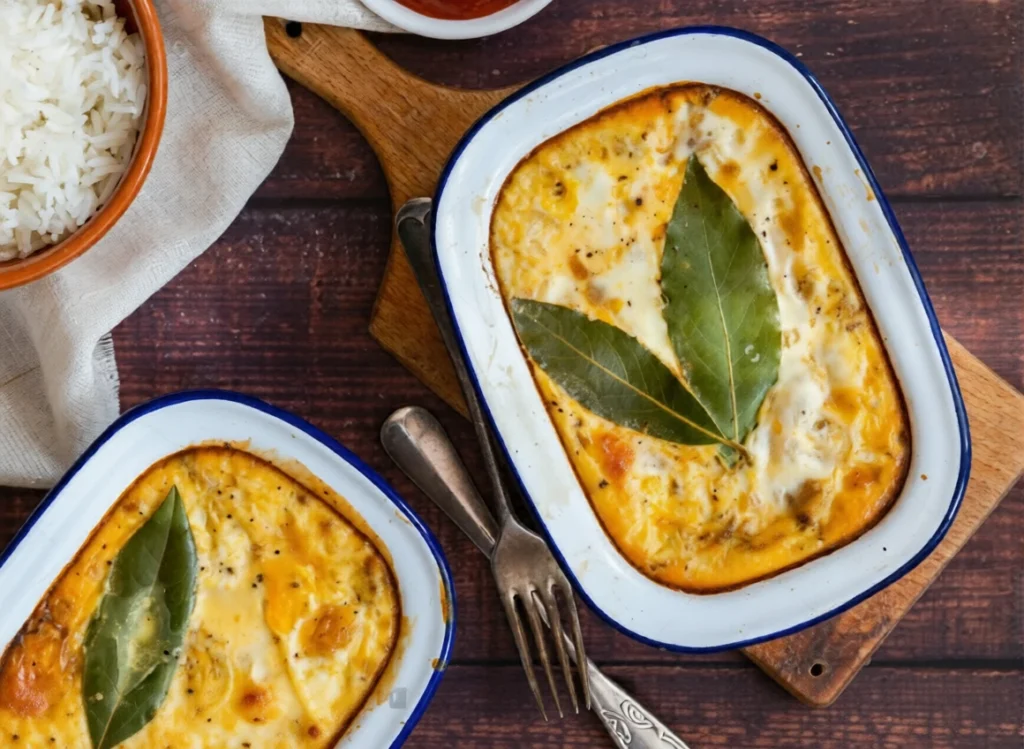
A Comparison – Old vs. Modern Methods
Food naturally evolves over time. As generations pass down their culinary secrets, new cooks introduce modern conveniences and updated flavor profiles. However, looking at the historical methods helps us understand the genius of the original Cape Malay creators. The table below highlights the fascinating differences between how cooks prepared the dish in the 18th century versus how we make it today.
Culinary Element | Historical Cape Malay Method | Modern South African Method |
The Meat | Finely chopped mutton or leftover roasted game meat, processed entirely by hand. | Machine-ground beef or lamb, offering a smoother and faster preparation process. |
The Sweetness | Locally grown dried apricots, tamarind paste, and sometimes pieces of fresh apple. | Store-bought fruit chutney (like Mrs. Ball’s), apricot jam, and golden raisins. |
The Spices | Whole spices toasted over an open fire and ground fresh using a heavy mortar and pestle. | Pre-mixed Cape Malay curry powders and pre-ground spices for quick home cooking. |
The Baking Vessel | Baked in heavy cast-iron pots over open coals or in communal outdoor clay ovens. | Baked in modern glass or ceramic casserole dishes inside temperature-controlled ovens. |
The Flavor Enhancers | Freshly plucked lemon leaves from the garden to infuse the meat during cooking. | Dried bay leaves are commonly used as a convenient substitute when lemon leaves are rare. |
While modern methods offer great convenience, trying the historical techniques can profoundly change your cooking experience. If you have the time, grinding your own spices or sourcing fresh lemon leaves adds an undeniable layer of authenticity to your meal.
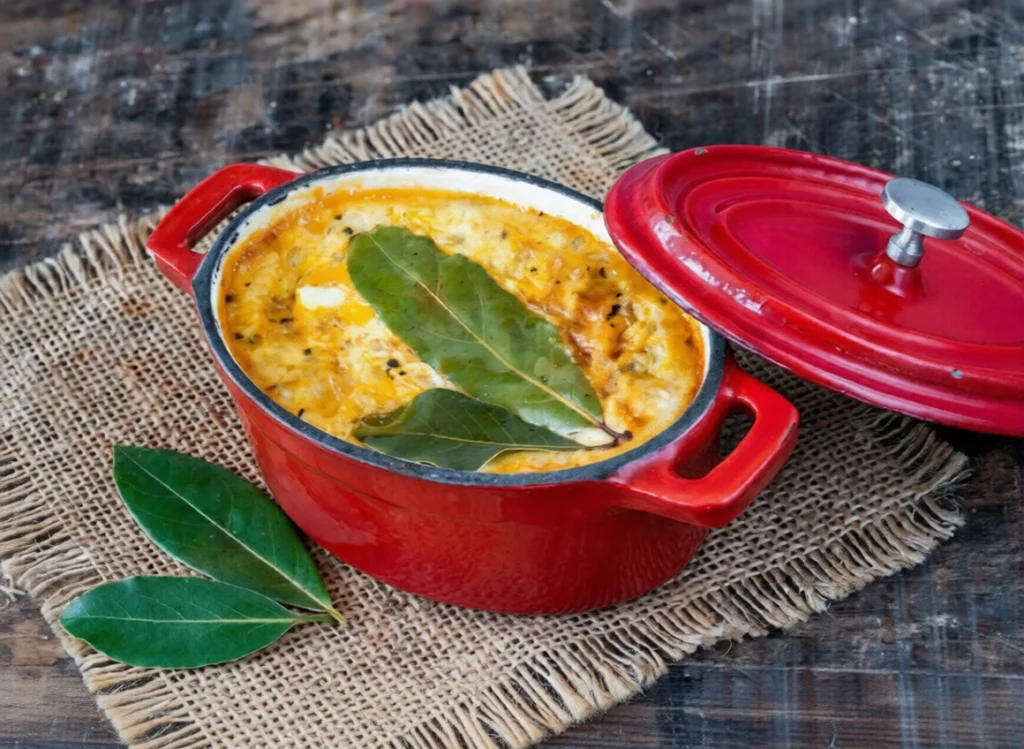
Step-by-Step Culinary Journey
Making this dish is not just about throwing ingredients into a pan; it involves a sensory journey. When you begin preparing a classic Bobotie recipe, you engage all your senses. The process builds layers of flavor meticulously. Here are the practical steps to guide you through creating this historical masterpiece in your own kitchen.
- Prepare the Binder Start by placing a thick slice of white bread in a shallow bowl. Pour a small amount of milk over it and let it soak. This simple step guarantees a tender, juicy meatloaf. Once it softens, gently squeeze out the excess milk and mash the bread with a fork.
- Aromatize the Base Heat a dash of vegetable oil in a large skillet. Finely chop a large onion and sauté it until it turns soft and translucent. Add crushed garlic and freshly grated ginger. The kitchen will instantly smell amazing.
- Awaken the Spices Lower the heat and stir in your curry powder, turmeric, coriander, and cumin. You must toast the spices gently for a minute or two. This vital step releases the essential oils trapped inside the dry spices, amplifying their flavor drastically.
- Brown the Meat Increase the heat and add your minced meat to the pan. Break it apart with a wooden spoon. You want to brown the meat thoroughly so it absorbs all those toasted spices. Make sure to cook away any excess liquid.
- Add the Sweet and Sour Stir in the fruit chutney, apricot jam, vinegar, and a handful of plump raisins. Add the mashed soaked bread to the pan. Mix everything vigorously until the meat mixture looks thick, glossy, and beautifully yellow. Season generously with salt and black pepper.
- Prepare for Baking Transfer the savory meat mixture into a greased baking dish. Press it down firmly with the back of your spoon to create a flat, even surface. Roll up your fresh lemon leaves or dried bay leaves and tuck them vertically into the meat.
- The First Bake Place the dish in a preheated oven at 180°C (350°F). You need to bake the meat alone for about twenty minutes. This allows the flavors to settle and the surface to firm up slightly before you add the topping.
- Create the Custard Crown While the meat bakes, crack two large eggs into a bowl. Add half a cup of full-cream milk and a pinch of salt. Whisk the mixture enthusiastically until it turns frothy and light.
- The Final Transformation Remove the dish from the oven. Carefully pour the egg custard over the hot meat. Return the dish to the oven and bake for another twenty minutes. You know it is ready when the custard puffs up slightly and sets into a gorgeous golden-brown crust.
🚶🏽♂️ Master the Dish Locally – Cultural explorers who wish to learn a traditional Bobotie recipe directly from local experts can easily join guided cooking tours in the colorful Bo-Kaap district. These hands-on activities allow participants to walk the spice routes and cook side-by-side with Cape Malay families.
Explore Bo-Kaap cooking tours and cultural activities for food historians here.
Quick Note – You should always let the dish rest for at least ten minutes after taking it out of the oven. The resting period allows the juices to redistribute and helps the custard firm up. This ensures you get perfect, neat squares when you serve it. Patience is definitely a virtue in Cape Malay cooking!
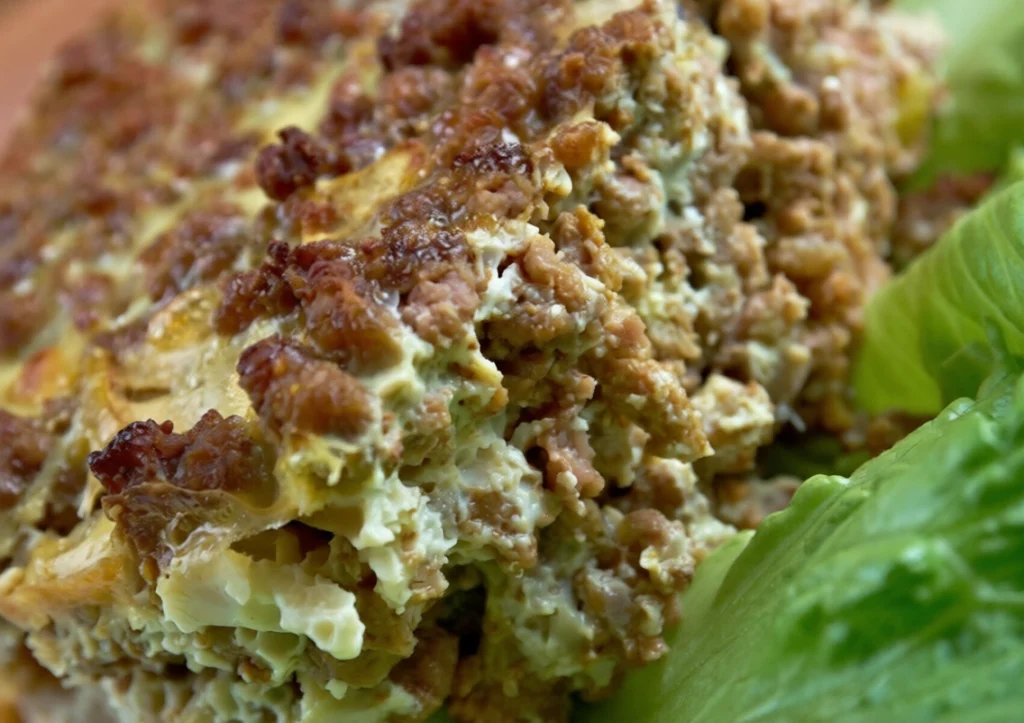
The Perfect Accompaniments
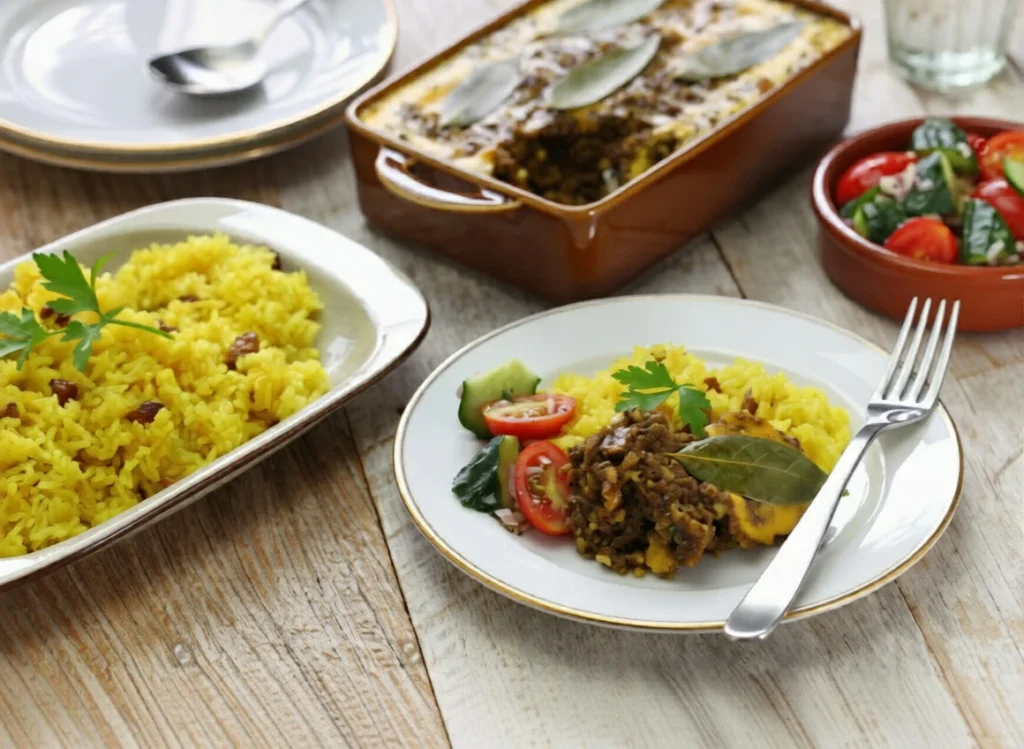
You cannot serve this magnificent dish entirely on its own. The traditional Cape Malay dining experience revolves around a feast of contrasting side dishes. These sides play a crucial role in cutting through the richness of the meat and cooling down the warm spices. To elevate your Bobotie recipe to a genuine South African banquet, you must include these classic accompaniments.
- Yellow Rice (Geelrys) 👈 You must serve the meat over a bed of fragrant yellow rice. You cook the white rice with a pinch of turmeric, a cinnamon stick, a few cardamom pods, and extra raisins. The sweet, spiced rice perfectly complements the savory meat.
- Sambals 👈 This refers to small, refreshing side salads. The most popular version involves finely diced tomatoes, onions, and fresh cilantro, dressed simply with white vinegar and a pinch of sugar. The acidity cleanses your palate beautifully.
- Fruit Chutney 👈 South Africans place a bottle of Mrs. Ball’s Chutney on the table for almost every meal. A generous dollop of this sweet and tangy peach and apricot chutney on the side of your plate is absolutely non-negotiable.
- Sliced Bananas 👈 It might sound unusual to outsiders, but serving fresh, sweet banana slices sprinkled with a little desiccated coconut offers a wonderful, cooling contrast to the curry flavors.
- Blatjang 👈 Similar to chutney but often smoother and fruitier. Many Cape Malay families make their own secret apricot blatjang recipes that they pass down through generations.
- Flaky Roti 👈 A warm, buttery, flaky flatbread helps you scoop up the final pieces of meat and custard from your plate. The Indian influence in Cape Malay culture shines through the inclusion of roti.
By preparing these vibrant side dishes, you transform a simple weeknight dinner into a festive celebration. The table bursts with colors of bright yellow, vibrant red, and rich golden brown, making the meal a feast for the eyes as well as the stomach.
Why Food Historians Love This Dish
Food historians look at meals differently than the average diner. Where we see a delicious dinner, they see a historical document written in flavors instead of ink. The story of Bobotie represents a fascinating case study of cultural survival, adaptation, and eventual national integration.
“Bobotie is not just a recipe; it is a profound historical map. It traces the terrifying journeys of enslaved people across the Indian Ocean, their grueling labor in the Cape kitchens, and their brilliant triumph in maintaining their dignity through culinary artistry. When we eat it today, we consume a story of resilience.” – Culinary Heritage Researcher.
Furthermore, this dish showcases the incredible phenomenon of “creolization” in food. The Cape Malay cooks did not just recreate an old dish from their homeland; they invented something entirely new. They took the meat preservation techniques of Europe, the vibrant spices of the East, and the indigenous ingredients of Africa to forge a united flavor profile. Eventually, the Dutch settlers loved the dish so much that they adopted it into their own culture. Today, both Afrikaans and Cape Malay households claim it proudly as their own, proving that food has the unique power to cross cultural and racial divides.
You realize the deep significance of this meal when you consider its journey. From the humble kitchens of enslaved people to the menus of high-end South African restaurants worldwide, it has earned its title as the national dish of South Africa.
Ultimately, every time you toast the turmeric and whisk the custard, you actively participate in keeping a vital piece of human history alive. You honor the nameless cooks of the 17th century who used their skills to bring joy and comfort to their communities in the darkest of times.
Keep the Tradition Alive in Your Kitchen
You possess all the knowledge you need to start your culinary adventure. Building a connection with heritage foods requires you to roll up your sleeves, gather your ingredients, and immerse yourself in the cooking process. Do not worry about achieving absolute perfection on your first attempt. The beauty of home cooking lies in making adjustments to suit your family’s tastes.
- Embrace the process of sourcing good spices.
- Cook with patience and love.
- Share the historical background with your dinner guests.
- Experiment with the sweet and sour balance.
- Involve your children in the kitchen.
- Document your own variations.
- Respect the cultural origins.
🏨 Stay Near the Flavors – Heritage vacationers needing a comfortable place to stay can find highly-rated accommodations right near the historic spice markets. Staying in central Cape Town gives guests immediate access to celebrated restaurants that serve a perfect, traditional Bobotie recipe.
Find top-rated hotels and accommodations for heritage travelers in Cape Town here.
Remember a very important point – Mastering a historical dish takes practice. You might find your first attempt needs more salt, or perhaps a bit more chutney. Adjusting the flavors and finding your perfect balance represents true cooking. My advice to you, fellow food lover, is to embrace the history before you even turn on the stove. The context makes the food taste better.
Therefore, do not hesitate to face the kitchen and try your hand at this iconic meal. Step out of your culinary comfort zone. The fragrant aromas filling your home and the smiles around your dining table will reward your efforts immensely. You have the power to travel through time and space simply by preparing a beautiful meal.

Conclusion
In the end, cooking the perfect Bobotie recipe requires a careful balance between understanding history and applying practical kitchen skills. You must respect the Cape Malay heritage that birthed the dish while allowing yourself the freedom to enjoy the creative process. The contrasting flavors of sweet fruit, savory meat, and spicy curry symbolize the diverse and complex history of South Africa itself.
Moreover, when you serve this dish with its traditional accompaniments like yellow rice and vibrant sambals, you create more than just dinner; you create an educational and sensory experience. By adopting these cooking techniques and sharing the stories behind the ingredients, you help preserve a beautiful culinary legacy. Let your kitchen become a bridge to the past, and enjoy the rich, comforting rewards of your historical cooking journey.