Exploring Egyptian street food offers one of the most exciting ways to experience the heart and soul of Cairo. Every bustling street corner tells a delicious story of tradition, flavor, and community. To truly understand the magic of culinary tourism in Egypt, you must step out of the fancy restaurants and hit the pavement. Here, you will find generations of cooks crafting fresh, cheap, and mouth-watering meals right before your eyes. You will discover that true Egyptian cuisine is a lively mix of bold spices, fresh herbs, and hearty ingredients designed to fuel a busy city.
Thank you for reading this post, don't forget to subscribe!You build a genuine connection with the locals when you eat their everyday food. From the legendary carb-heavy bowls of Koshari to the sweet, flaky layers of fresh Fiteer, every bite delivers a unique experience. This guide takes you on a complete journey through Cairo’s vibrant food scene. We will help you navigate the busy food carts, show you exactly what to order, and explain the hidden gems you simply cannot miss during your Egyptian food adventure.
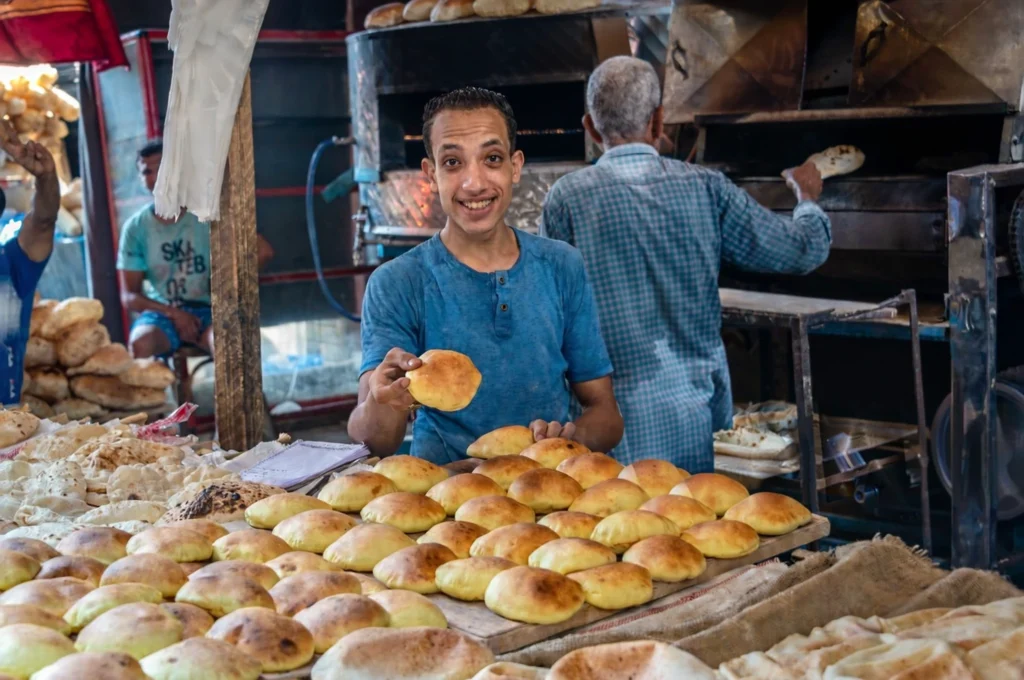
Man Selling Bread in Alexandria, Egypt
Start With the Gateway – The Mighty Koshari
Begin your culinary journey with the undisputed king of Egyptian street food. Koshari is the ultimate comfort food and the perfect gateway dish for first-time visitors. When you walk past a Koshari shop, you will immediately hear the rhythmic clanking of metal spoons hitting metal bowls. Vendors perform this musical routine as they rapidly scoop and layer this iconic dish. Koshari perfectly represents the historical melting pot of Egypt, combining ingredients originally brought over by different cultures into one uniquely Egyptian masterpiece.
- Discover the base layers – Koshari features a hearty mix of rice, brown lentils, and macaroni. This carb-heavy foundation provides immense energy for the day.
- Taste the rich tomato sauce – Cooks prepare a special spiced tomato sauce infused with garlic, coriander, and cumin. You can choose your preferred spice level.
- Add the golden crunch – Vendors top the bowl with a generous handful of crispy, deep-fried onions. This adds an essential texture contrast to the soft grains.
- Pour the magical Dakka – You must add “Dakka,” a zesty garlic and vinegar dressing. This simple liquid elevates the entire dish and cuts through the heavy carbs.
- Control the heat – Every table features a small bottle of fiery chili sauce called “Shata.” Add this carefully, as a few drops pack a serious punch.
- Mix it all together – Locals know that you should never eat Koshari in layers. You must aggressively mix everything together so every bite contains every flavor.
In short, Koshari offers a massive flavor profile for a very low price. Eating a bowl of Koshari gives you the confidence to dive deeper into the vibrant world of Cairo street food. Once you master this national dish, you are ready to explore the rest of the city’s culinary gems.
🚶 Join a Culinary Adventure – For food lovers and culinary explorers eager to navigate the city’s flavors safely and comprehensively, joining a guided experience is highly recommended. Expert local guides help travelers discover hidden markets and safely sample Koshari, Falafel, and more without any guesswork. Browse the best Egyptian street food tours and activities in Cairo to secure a spot for an unforgettable tasting journey.
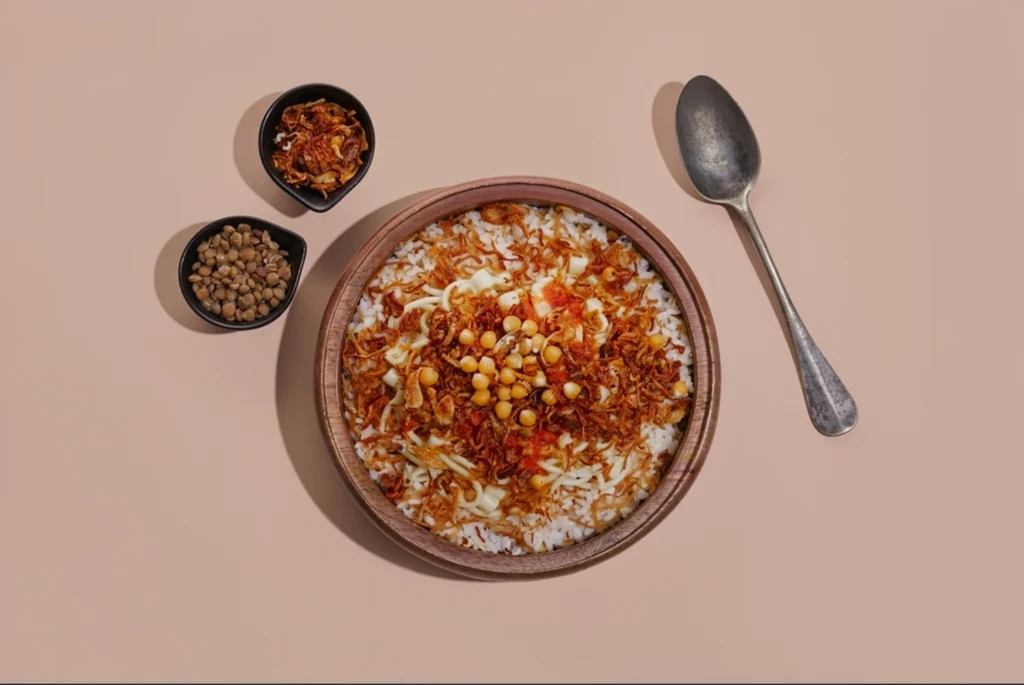
Traditional Egyptian food, Delicious Koshary or Kushari
Plan Your Morning – Foul and Ta’ameya
If you want to eat breakfast like a true Egyptian, you must seek out the local carts serving Foul Medames and Ta’ameya. These two dishes serve as the absolute foundation of an Egyptian morning. You will find these food carts on almost every busy street corner. They provide a cheap, delicious, and deeply satisfying start to the day. Let us explore what makes these morning staples so irresistible.
- Foul Medames 📌 Cooks slow-boil fava beans overnight in large copper pots. They mash the soft beans with olive oil, cumin, garlic, and fresh lemon juice to create a rich, creamy texture.
- The Perfect Bread 📌 You always eat Foul with “Aish Baladi.” This traditional flatbread contains whole wheat and wheat bran. It acts as an edible spoon to scoop up the warm beans.
- Egyptian Falafel (Ta’ameya) 📌 Unlike Middle Eastern falafel made from chickpeas, Egyptians make Ta’ameya exclusively from crushed fava beans. This gives it a lighter, fluffier interior.
- The Green Core 📌 Cooks blend the fava beans with massive amounts of fresh parsley, cilantro, and leeks. This creates a striking, bright green color inside every Ta’ameya ball.
- The Crispy Sesame Shell📌 Vendors roll the patties in toasted sesame seeds before deep-frying them. This process creates a loud, satisfying crunch when you bite into them.
- Classic Accompaniments 📌 A classic street breakfast includes sides of pickled turnips, sliced tomatoes, fried eggplant, and spicy green peppers to balance the rich flavors.
- Affordable Energy 📌 This plant-based breakfast provides incredible protein and fiber. It keeps locals and tourists full and energized for hours while exploring the pyramids or the local markets.
- The Street Atmosphere 📌 Standing next to a hot Foul cart, surrounded by locals laughing and chatting before work, gives you a truly authentic Cairo experience.
By embracing this traditional morning ritual, you instantly connect with the daily rhythm of the city. Foul and Ta’ameya prove that some of the best culinary experiences do not require a white tablecloth.
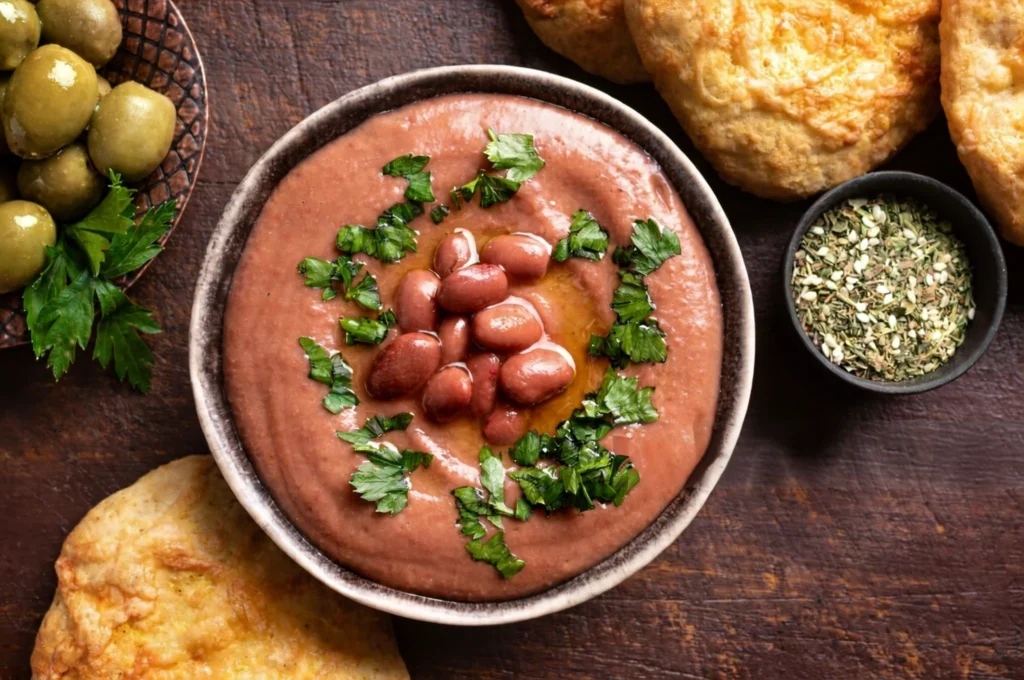
Arabic traditional breakfast with foul
Dive Into the Flaky Layers of Fiteer Meshaltet
Fiteer Meshaltet represents the magnificent Egyptian take on layered pastry. Many people describe it as a cross between a pizza, a pancake, and a buttery French croissant. Watching a skilled baker make Fiteer offers pure entertainment. The baker takes a small ball of dough, adds generous amounts of ghee (clarified butter), and spins it rapidly in the air until it becomes paper-thin. They fold it over itself dozens of times to create countless crispy layers. You can enjoy Fiteer in both sweet and savory forms, making it a versatile street food option for any time of the day.
- The Savory Experience Bakers stuff savory Fiteer with mixed cheeses, minced meat, pastrami, or sausages. They often add fresh bell peppers, tomatoes, and olives before baking it to golden perfection.
- The Sweet Tradition If you have a sweet tooth, you must try plain Fiteer dipped in natural black honey (molasses) and tahini. It creates a perfect balance of sweet, nutty, and buttery flavors.
- The Sugar Dusting Another popular sweet version features powdered sugar, fresh cream (eshta), and mixed nuts. Vendors slice it into small squares for easy eating on the go.
- The Baking Process Authentic street vendors bake Fiteer in massive brick ovens. The intense heat instantly puffs up the layers, making the outside crunchy and the inside soft and chewy.
- Perfect for Sharing A standard Fiteer comes in a large size. You should buy one to share with friends, tearing off warm pieces with your hands.
- Regional Variations While you can find it everywhere in Cairo, the best traditional Fiteer originally comes from the Egyptian countryside, where farmers bake it for special guests.
- Best Eaten Fresh You must never eat cold Fiteer. Make sure you order it fresh from the oven so you can experience the melting butter and the glorious crunch.
Whenever you explore Cairo’s bustling streets, let your nose guide you toward the rich, buttery scent of baking Fiteer. It provides a deeply satisfying meal that perfectly showcases the incredible skills of local Egyptian bakers.
🏨 Stay Close to the Flavors – Visitors looking to wake up just steps away from fresh Foul carts and baking Fiteer should consider booking a centrally located room. Staying in areas like Downtown Cairo places travelers right at the heart of the Egyptian street food scene. Find and book top-rated hotels and accommodations in Cairo perfectly positioned for hungry travelers.
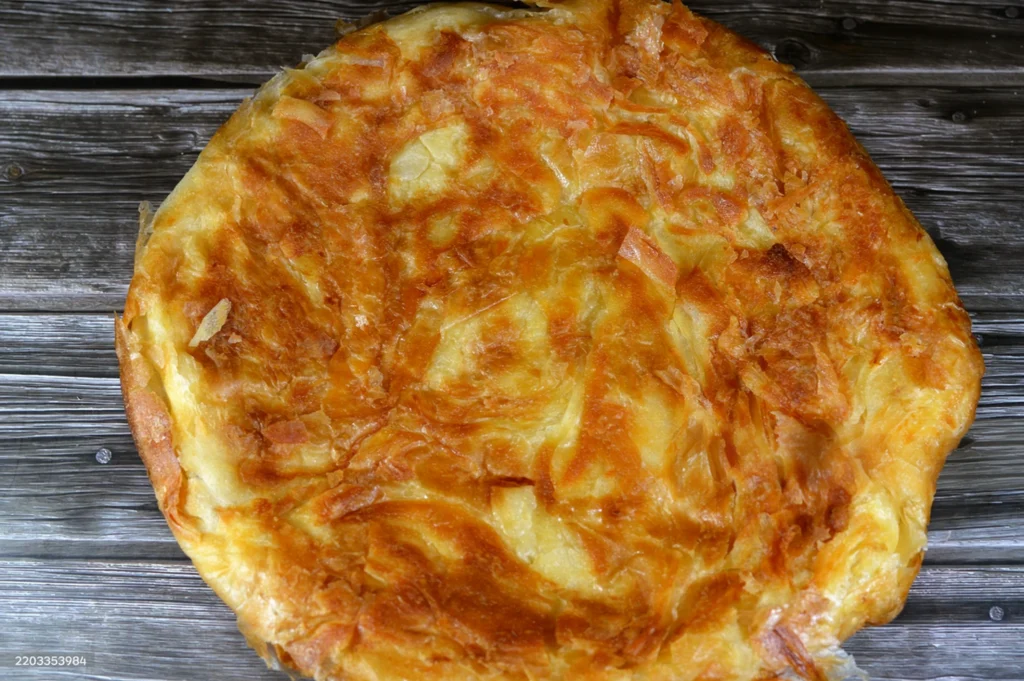
Egyptian Feteer meshaltet, layers upon layers of pastry dough with loads of ghee or butter in between, one of the famous Egyptian pastry recipes
Compare Your Options – A Street Food Guide
To help you navigate the rich variety of Egyptian street food, we created a quick comparison guide. This table breaks down the essential details of the most popular street dishes. Use this tool to plan your meals and ensure you do not miss any culinary highlights during your Cairo tour.
Dish Name | Main Ingredients | Flavor Profile | Best Time to Eat |
Koshari | Rice, lentils, pasta, chickpeas, onions | Savory, tangy, slightly spicy, hearty | Lunch or Dinner |
Ta’ameya | Crushed fava beans, fresh herbs, sesame | Earthy, herbaceous, extremely crunchy | Breakfast |
Hawawshi | Baladi bread, minced beef, onions, chilies | Meaty, peppery, rich, crispy | Late Lunch or Dinner |
Fiteer | Layered dough, ghee, sweet or savory fillings | Buttery, flaky, highly adaptable | Anytime |
Kebda Eskandarani | Beef liver, garlic, cumin, green peppers | Bold, spicy, garlicky, aromatic | Late Night Snack |
Pro Tip – Always ask the street food vendor for their personal recommendation. They take massive pride in their craft and will often give you a small sample to taste before you buy. Trust their expertise!
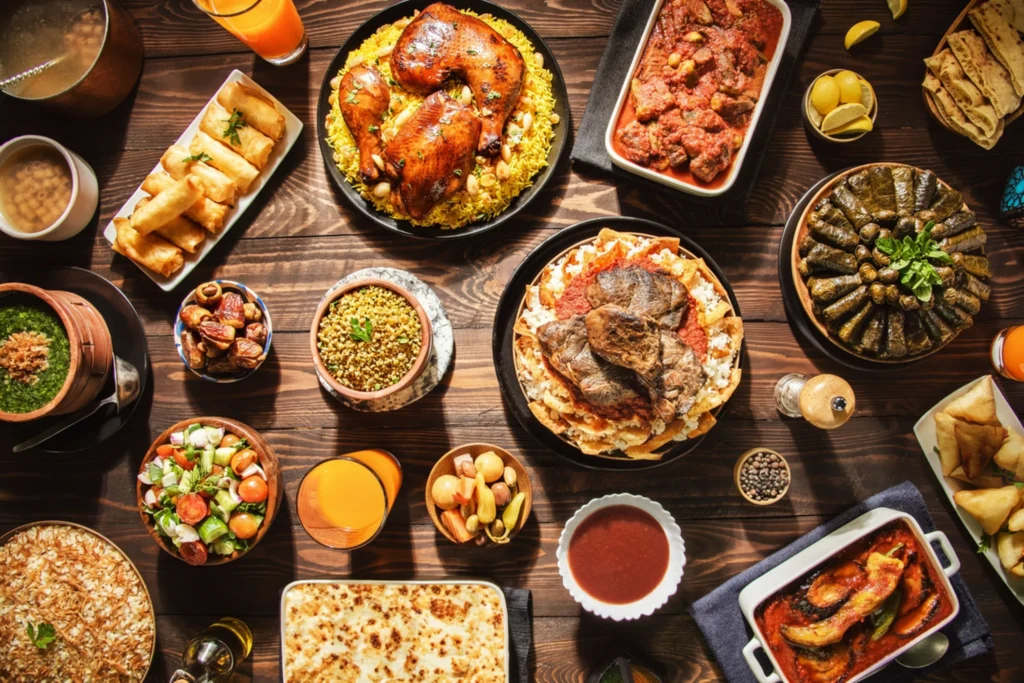
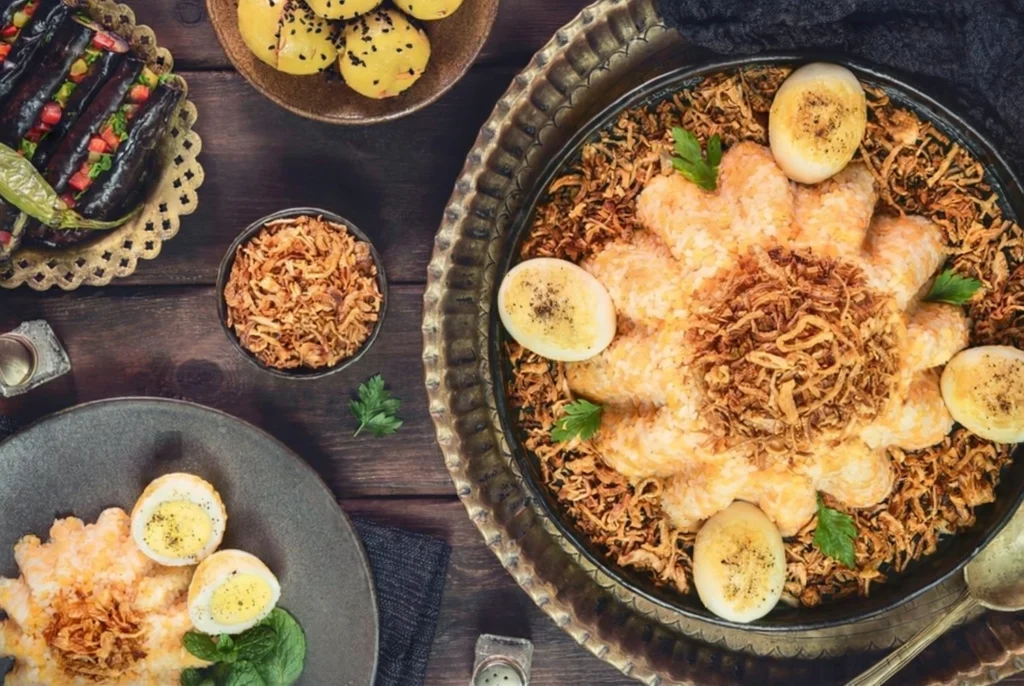
Oriental Egyptian Dishes Top View
Savor the Meat Lovers’ Favorites – Hawawshi and Kebda
If you crave bold, meaty flavors, the Egyptian street food scene will not disappoint you. As the sun sets, the smell of sizzling meat and roasting spices fills the Cairo air. Two iconic dishes dominate the evening food scene – Hawawshi and Alexandrian Liver (Kebda Eskandarani). These dishes provide an unforgettable explosion of taste and represent the ultimate local comfort food for late-night crowds.
- The magic of Hawawshi👈 Vendors take freshly baked baladi bread and stuff it with a raw mixture of minced beef, grated onions, and fiery green peppers. They bake the whole sandwich in a blazing hot oven.
- The crispy exterior👈 As the meat cooks inside the bread, the rich juices soak into the dough. The outside of the bread becomes incredibly crispy, while the inside remains soft and savory.
- The Alexandrian Liver👈 Kebda Eskandarani originates from the coastal city of Alexandria but dominates Cairo’s streets. Cooks slice beef liver incredibly thin for rapid cooking.
- The bold marinade👈 Chefs marinate the liver in a massive amount of garlic, cumin, coriander, and fresh chili peppers. They flash-fry it on a hot flat-top grill in seconds.
- The sandwich assembly👈 Vendors serve the hot, spicy liver inside soft, torpedo-shaped bread rolls called “fino.” They always squeeze fresh lemon juice over the top right before serving.
- The essential sides👈 You should always pair these meaty sandwiches with “torshi”—a colorful mix of pickled carrots, turnips, and cucumbers that cuts through the richness of the meat.
Eating Hawawshi and Kebda on a bustling Cairo street corner, watching the chaotic traffic flow by, offers an intensely authentic cultural experience. These bold flavors perfectly match the loud, energetic spirit of the city itself.
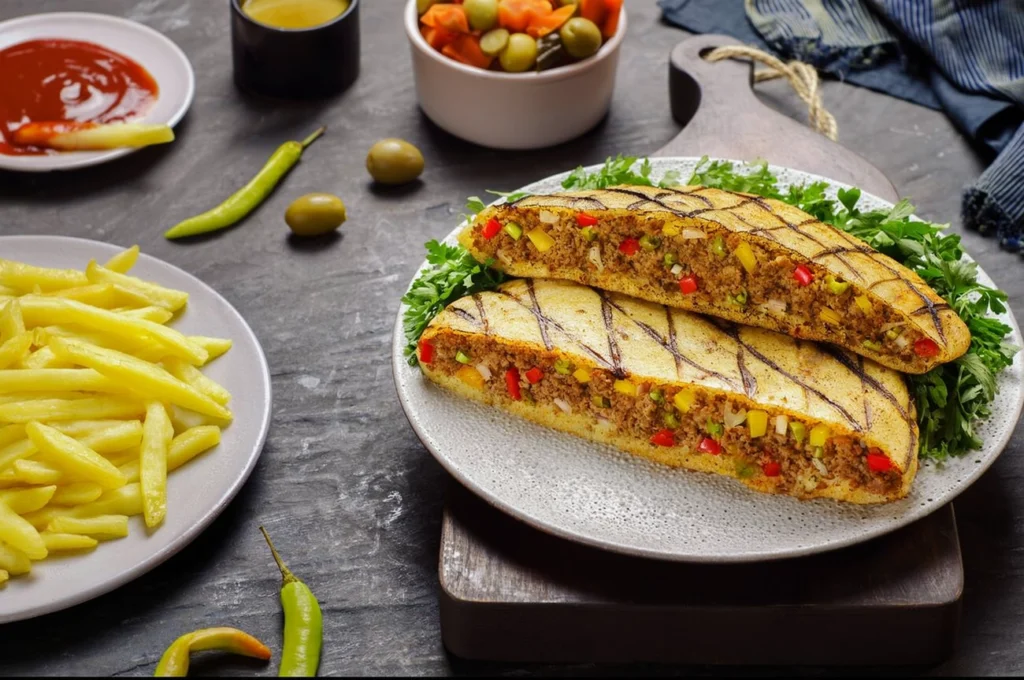
Traditional Egyptian food Hawawshi. It's flat Egyptian bread stuffed with minced meat and spiced with onions, peppers and chilies
Satisfy Your Sweet Tooth and Quench Your Thirst
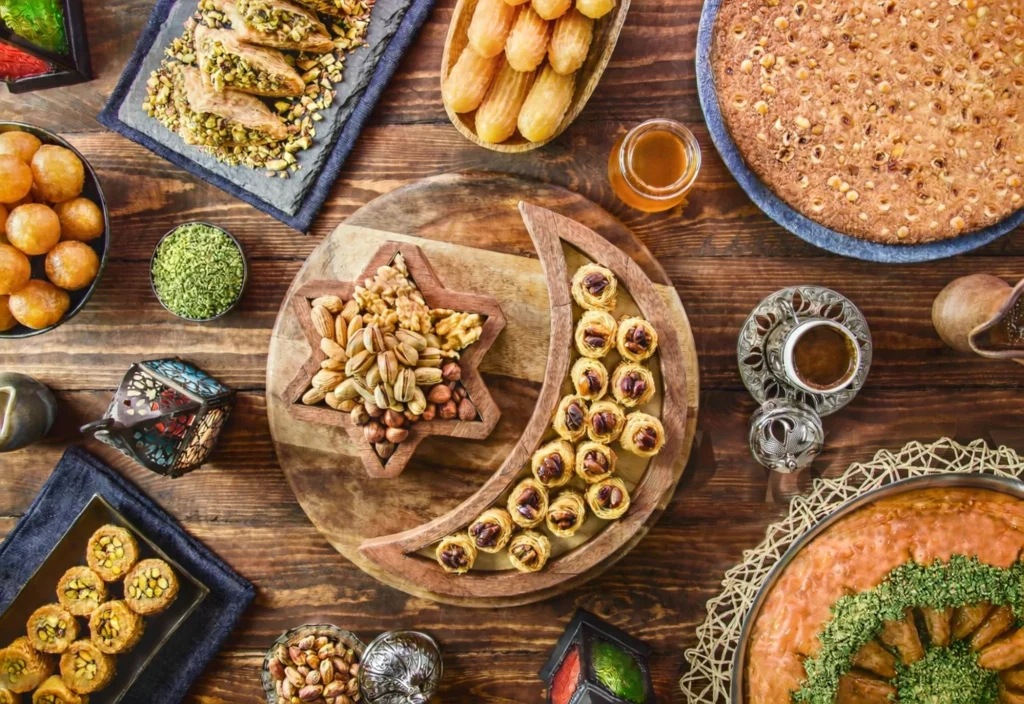
No Egyptian street food tour feels complete without exploring the local sweets and traditional drinks. Egyptians love their desserts, and the streets offer plenty of cheap, sugary delights to keep your energy high. You will find sweet carts scattered everywhere, offering treats soaked in honey and fresh drinks pressed right in front of you. Exploring these options provides a fantastic way to cool down during a warm afternoon in Cairo.
- Zalabia (Luqaimat) Watch vendors drop tiny balls of dough into hot oil. They fry them until golden brown, then instantly submerge them in thick sugar syrup. They serve them hot, sticky, and irresistibly crunchy.
- Basbousa You will spot massive metal trays filled with this classic dessert. Bakers make Basbousa from semolina flour, yogurt, and coconut. They soak it in sweet syrup and top it with fresh almonds.
- Om Ali While sometimes found in restaurants, many street stalls sell this legendary bread pudding. It contains puff pastry, hot milk, heavy cream, raisins, and nuts. It warms the soul on a cool evening.
- Fresh Sugarcane Juice (Asab) You will hear the loud grinding noise of the sugarcane juicer from down the street. Vendors press long stalks of fresh sugarcane to produce a sweet, pale green drink packed with natural energy.
- Sobia Drink During the summer, you must try Sobia. This refreshing, milky drink contains coconut, rice powder, and vanilla. Vendors serve it ice-cold, making it the perfect remedy for the Cairo heat.
- Tamarind (Tamer Hindi) Look for men walking the streets carrying large, ornate brass or glass dispensers on their backs. They pour this dark, sweet, and slightly sour tamarind juice with incredible theatrical flair.
- Roasted Sweet Potatoes In the winter, you will find wooden carts with small wood-fired ovens roasting massive sweet potatoes. Vendors slice them open and serve them piping hot in a simple piece of paper.
- Karkadeh (Hibiscus Tea) You can drink this ruby-red beverage either hot or cold. It boasts a tart, cranberry-like flavor and provides massive health benefits, including lowering blood pressure.
Quick Note – When ordering sugarcane juice or any street drink, ask the vendor to serve it without extra ice if you have a sensitive stomach. The natural coolness of the fresh ingredients usually provides enough refreshment. Do not skip these traditional drinks; they truly complete the Egyptian street food experience!
Learn the Street Food Survival Guide
Eating street food anywhere in the world requires a bit of common sense, and Cairo is no exception. While Egyptian street food remains generally safe and incredibly delicious, first-time visitors should follow a few simple rules to ensure a perfect culinary adventure. By observing the locals and choosing the right vendors, you can eat your way through the city with total confidence and zero worries.
First, always look for the longest lines. A crowded food cart means high turnover. High turnover guarantees that the food is fresh, hot, and constantly cooking. If a vendor has a crowd of locals waiting for their food, you can trust that their meals are both delicious and safe to eat. Never eat at a completely empty cart where the food looks like it has been sitting out for hours.
Second, pay attention to the preparation process. The beauty of street food is transparency. You can watch exactly how the vendor handles the ingredients. Choose carts where the cooking surface looks clean and the oil in the fryer appears clear rather than dark and smoky. Many vendors handle money with one hand and serve food with a utensil in the other, which shows good basic hygiene.
Remember to ease into the experience. If you just arrived in Egypt, start your street food journey with cooked items like Koshari, Hawawshi, or fresh Fiteer. Give your stomach a day or two to adjust to the new spices and rich oils before diving into massive raw salads or unknown drinks. Drink plenty of bottled water, carry some hand sanitizer, and most importantly, bring an adventurous appetite!
✈️ Ready for a Culinary Getaway? International food lovers planning to taste real Egyptian street food must first find their way to Egypt’s vibrant capital. Comparing travel routes and booking tickets early ensures a smooth and budget-friendly journey. Check out the best flight deals to Cairo and start planning a delicious middle-eastern adventure today.
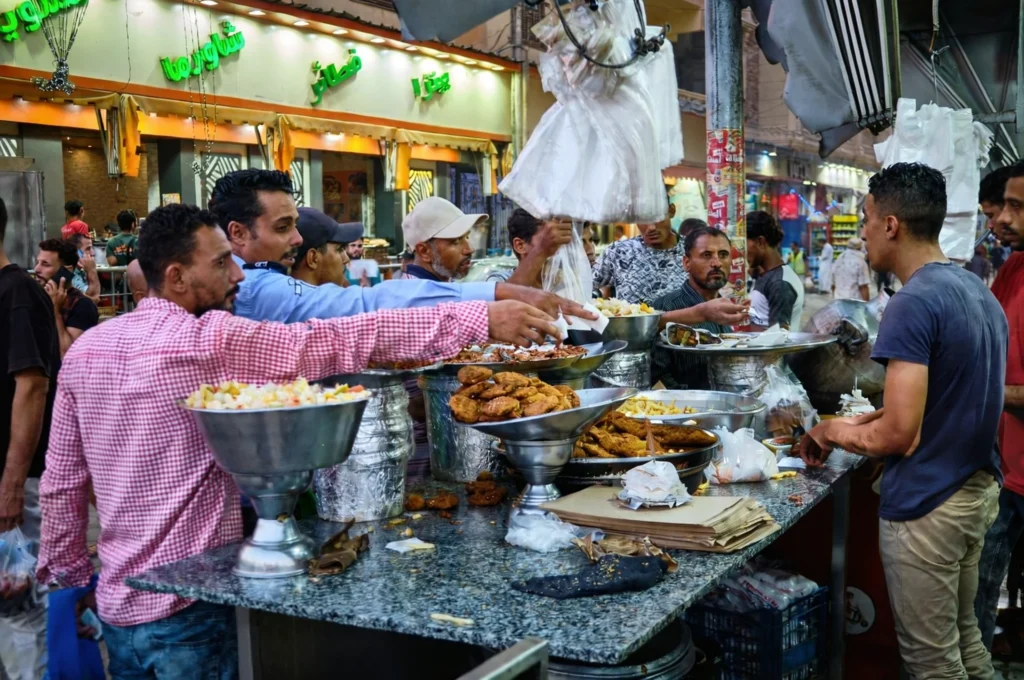
Busy street food stall with customers at night market
Embrace the Chaos and Enjoy the Flavor
Participating in the Egyptian street food culture requires you to embrace a little bit of chaos. You will need to shout your order over the noise of the traffic, stand shoulder-to-shoulder with strangers, and eat with your hands while standing up. But this beautiful chaos forms the exact heart of the experience. The energy of the city transfers directly into the food.
- Follow your nose and instincts.
- Smile and interact with the vendors.
- Learn basic Arabic food words.
- Share your food with friends.
- Don’t be afraid of bold spices.
- Keep small cash (Egyptian Pounds) handy.
- Respect the local dining etiquette.
Remember something very important – The true essence of Cairo lives on its streets. Exploring the city through its food provides memories that no museum or monument can replicate. Step out of your comfort zone, try that spicy liver sandwich, drink that sweet sugarcane juice, and let the flavors of Egypt amaze you.
Therefore, do not hesitate to walk down an unknown alleyway if you smell something delicious baking. The local vendors will treat you with incredible warmth and legendary Egyptian hospitality. They love seeing visitors appreciate their daily craft and traditional recipes.
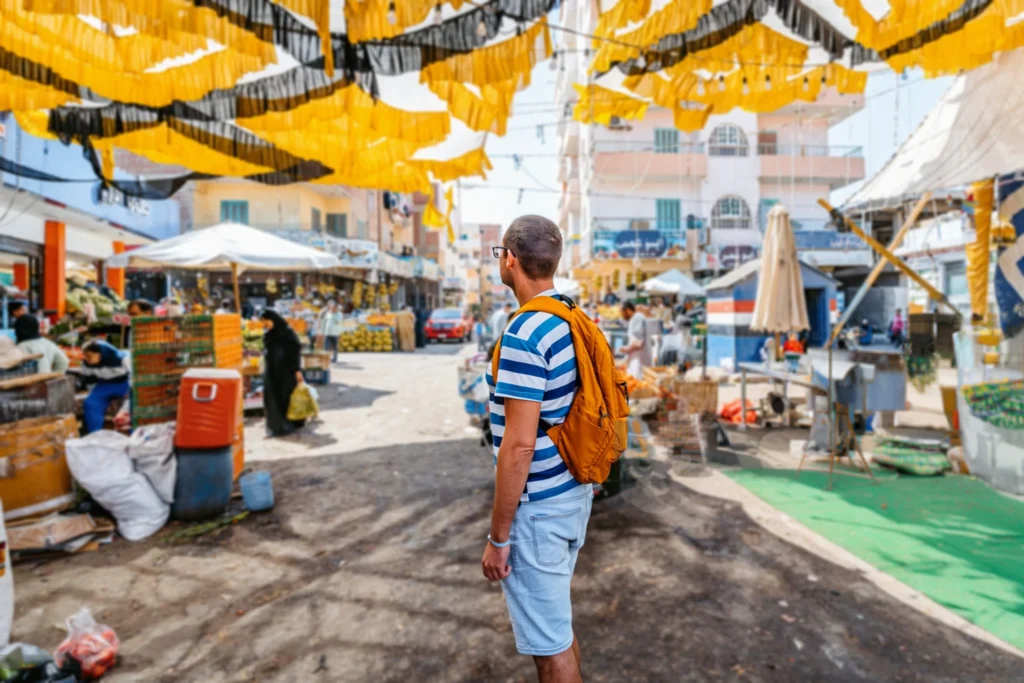
Young Man Shopping In The Street Market In Hurghada In Egypt
Conclusion
In the end, diving into Egyptian street food delivers an unforgettable sensory adventure. From your very first comforting bowl of Koshari to the satisfying crunch of a fresh Ta’ameya, every meal tells a story of history, culture, and survival. The culinary landscape of Cairo offers immense variety, ensuring that every type of traveler finds something they love.
By following this guide, you now hold the knowledge to confidently explore carts, stalls, and hidden bakeries. You understand the ingredients, the traditions, and the unwritten rules of the street. So, skip the hotel buffet tomorrow morning. Walk out into the vibrant streets of Cairo, follow the scent of garlic and baking bread, and taste the real magic of Egypt.