
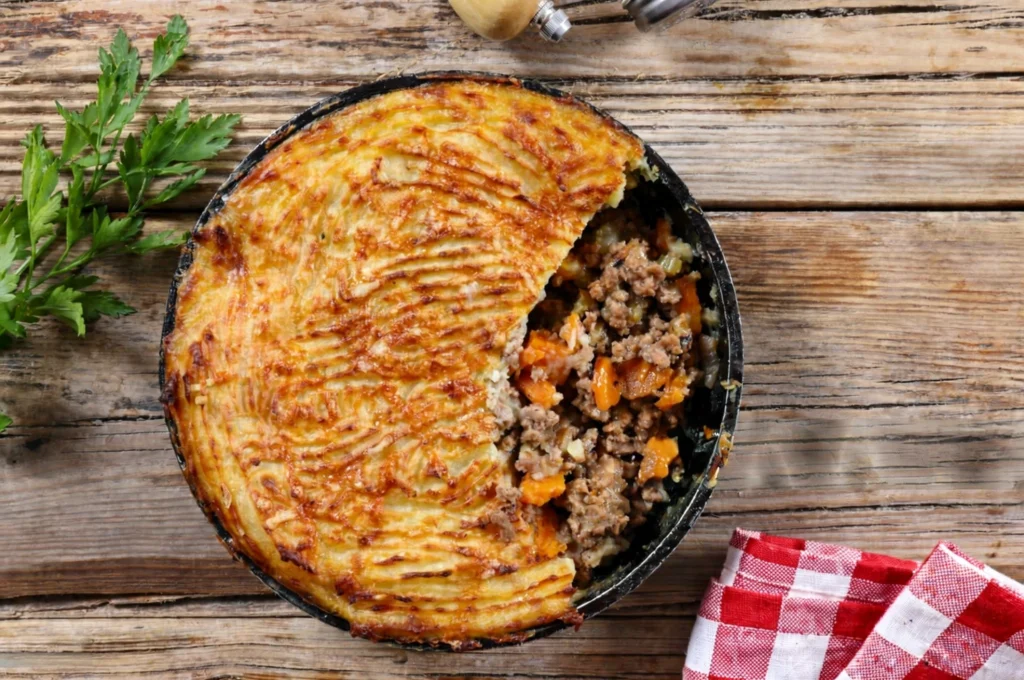
Pastel de Choclo represents the true heart and soul of traditional Chilean cuisine. This golden corn pie brings families together around the dinner table, serving as a delicious centerpiece during the warm summer months. When you explore the fascinating history of this beloved dish, you uncover an incredible story of cultural fusion. You learn about the deep indigenous roots that provided the foundation of the meal, along with the Spanish colonial influences that transformed it into a masterpiece. Identifying your main goal in cooking this dish helps you understand the cultural identity of Chile. This knowledge guides your cooking process effectively and ensures you meet the authentic standards of traditional recipes. You will acquire the necessary skills to improve your culinary performance and boost your chances of creating the perfect meal for your loved ones.
Thank you for reading this post, don't forget to subscribe!Cooks create a highly attractive and premium quality dish that matches the tastes and cravings of their target audience. The food must be deeply comforting and enjoyable, presenting a beautiful mix of sweet and savory flavors in a clear manner. Furthermore, improving the visual appeal of your meal through traditional clay baking techniques enhances the overall dining experience. This method helps increase the excitement and sharing of your recipes within the wider cooking community.
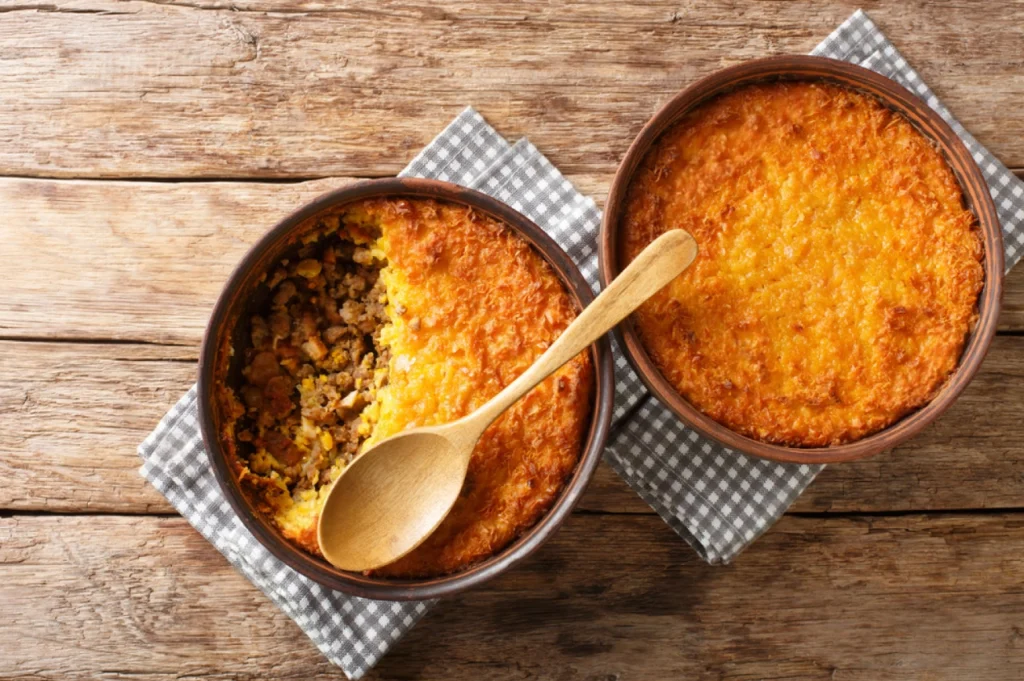
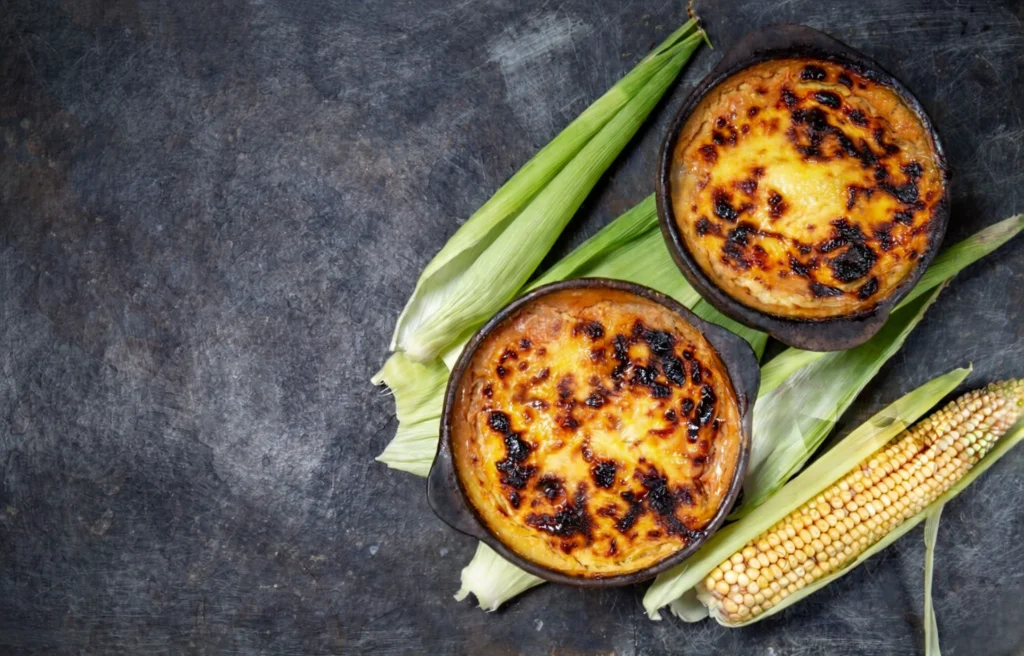
Pastel de choclo corn pie is a Chilean dish based on sweetcorn and beef closeup in the pots on the table. Horizontal top view from above
Trace the Indigenous Roots
Begin by exploring the ancient agricultural practices of the indigenous Mapuche and Andean people. Their deep connection to the land will inspire you to appreciate the natural ingredients. When you identify the historical significance of corn, you can build a successful understanding of the dish that achieves your culinary goals. You must recognize the indigenous roots of Pastel de Choclo based on the type of crops they cultivated and the vibrant communities they nourished. Furthermore, you can follow these specific historical steps to enhance your appreciation of this cultural treasure.
- Discovering the ancient corn varieties grown by native tribes across the fertile valleys, providing a reliable food source for the entire community.
- Mashing the fresh corn kernels using traditional stone tools to create a smooth, creamy paste that forms the essential topping of the pie.
- Adding native herbs like fresh basil to the corn mixture, which perfectly highlights the natural sweetness and vibrant color of the summer harvest.
- Cooking the ground corn over open fires to give the paste a rich, smoky flavor profile that honors the original outdoor cooking methods.
- Passing down the ancient oral recipes through countless generations of indigenous families, ensuring the survival of their precious culinary heritage.
- Respecting the changing seasons by creating hearty dishes that celebrate the abundance of nature and bring the local community together during the harvest.
In short, you must explore all the available historical facts and work diligently to master the authentic preparation of Pastel de Choclo. Continuous learning and improvement will help you build a strong and successful connection to the indigenous roots of this magnificent recipe.
Travel Inspiration for Food Lovers – Gastronomy enthusiasts eager to taste authentic Pastel de Choclo directly from its birthplace can easily plan their journey. Travelers looking to immerse themselves in South American culture can compare and book the best flight deals to Santiago, Chile, ensuring they reach the heart of this culinary destination with ease and comfort.
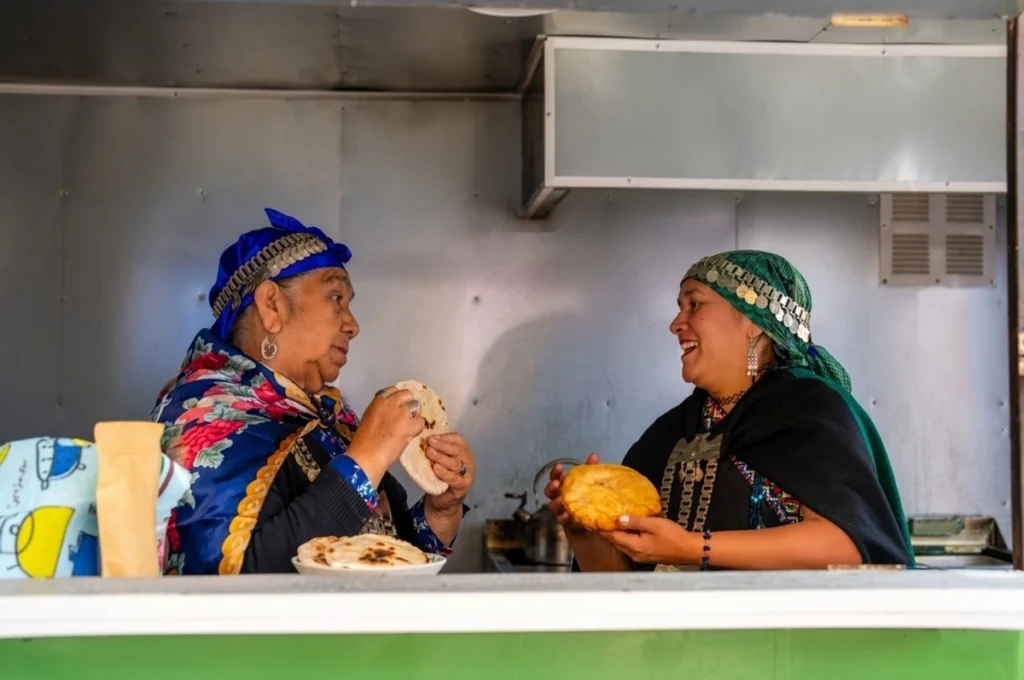
Two indigenous mapuche women preparing and selling traditional chilean flatbread from a food
Explore the Spanish Colonial Influence
Exploring the Spanish colonial influence provides the essential elements that determine the final flavor and cultural impact of your corn pie. The arrival of European settlers introduced new ingredients that forever changed the culinary landscape of South America. Here are some historical developments that can help you achieve authentic results in this area.
- Introducing Beef and Livestock 📌Before you start cooking, you must understand how the Spanish colonizers brought cattle to the region. This introduction provided the rich beef that forms the hearty base of the meat filling.
- Cultivating Savory Onions 📌Studying the agricultural shifts and understanding the integration of onions helps you produce a flavorful base. The slow-cooked onions perfectly balance the robust taste of the minced beef.
- Adding Ripe Black Olives 📌Analyzing the traditional recipes reveals the Mediterranean influence of black olives. This salty addition creates a wonderful contrast to the sweet corn topping, keeping the palate excited.
- Bringing Sweet Raisins 📌You must appreciate the Moorish culinary traditions that the Spanish brought with them. The inclusion of sweet raisins in savory meat dishes represents a classic historical flavor profile.
- Creating the Rich Pino 📌The careful preparation of the “pino” meat filling requires specific techniques. Cooking the beef and onions together allows the savory juices to mix and develop a deep flavor.
- Combining Two Worlds 📌Using the indigenous corn paste to cover the Spanish meat filling creates a perfect culinary fusion. This combination helped expand the reach of the dish across different social classes.
- Adding the Roasted Chicken 📌You should always include a piece of roasted chicken alongside the beef in the filling. This addition provides varied textures and honors the diverse farming practices of the colonial era.
- Establishing Modern Traditions 📌Building a historical appreciation for this cultural fusion requires patience and dedication. It took many decades for this blended recipe to become the national dish we know today.
By considering these historical milestones and flavor combinations, you can increase your chances of mastering Pastel de Choclo and maximizing your impact on your dinner guests.
Understand the Traditional Ingredients
Your attention to the quality of ingredients serves as a fundamental strategy for achieving success in preparing this beloved Chilean pie. A dish that features high-quality, fresh components significantly attracts food lovers and stands out on the dining table. Here are some excellent strategies to improve the ingredient selection for your pie.
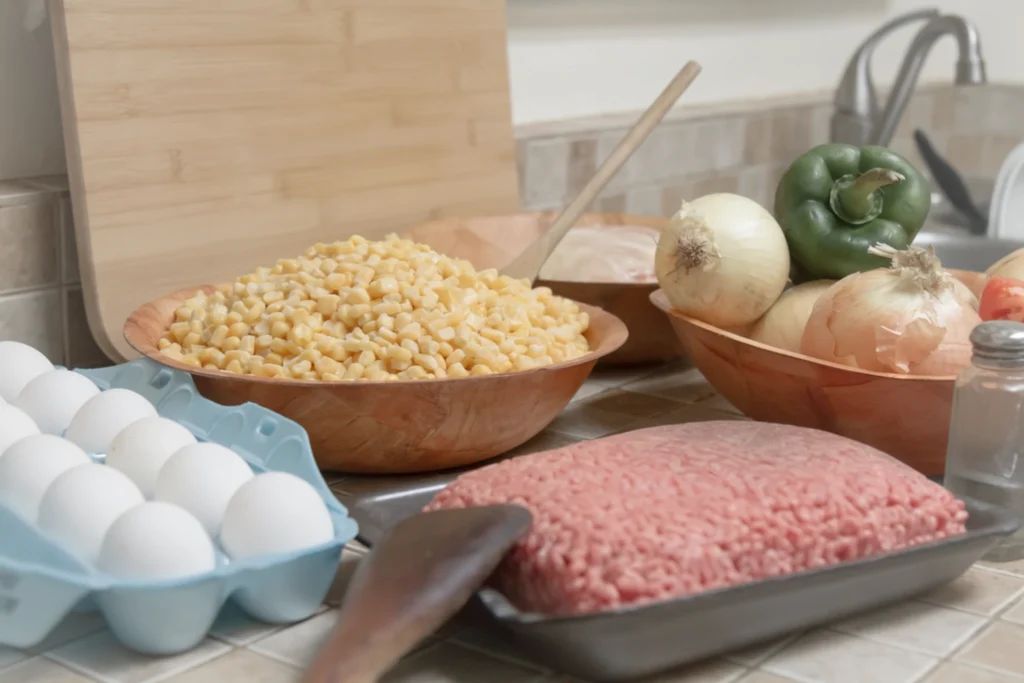
- Choosing Fresh Choclo Carefully review and select the freshest summer corn available to ensure your topping achieves the right creamy texture. You must ensure the corn holds enough natural starch to thicken properly.
- Preparing the Savory Pino Choose your beef cuts wisely and use consistent chopping techniques to make the filling smooth and easy to eat.
- Boiling the Eggs Divide the preparation process into simple steps and use perfectly hard-boiled eggs to add a comforting richness to the meat layer.
- Selecting the Black Olives Always try to provide authentic, unpitted black olives that offer a sudden burst of salty flavor to surprise your guests.
- Plumping the Raisins Include high-quality raisins to add moisture and a touch of sweetness that beautifully complements the savory meat juices.
- Harvesting Fresh Basil Make sure you use vibrant, fresh basil leaves to blend into the corn paste, giving it a signature green tint and a wonderful aroma.
- Applying the Sugar Crust Avoid skipping the final sprinkle of sugar over the corn paste. This crucial step creates a gorgeous caramelized crust during the baking process.
By considering these ingredient strategies, you can improve the overall quality of your dish and build a strong reputation as an excellent cook, which increases the appeal of your food and contributes to your lasting success in the kitchen.
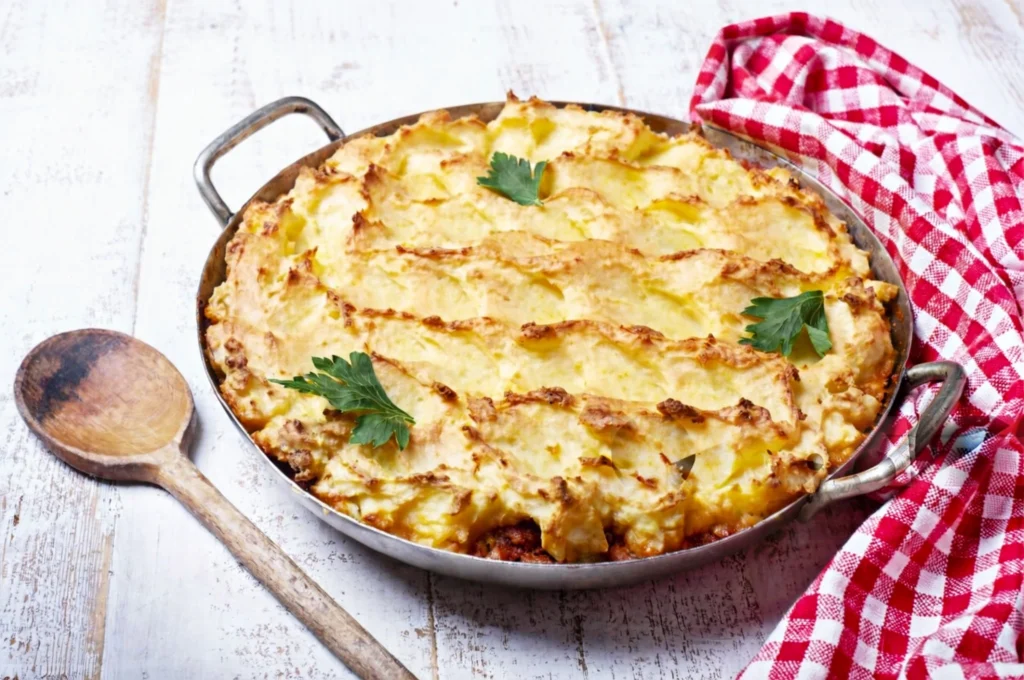
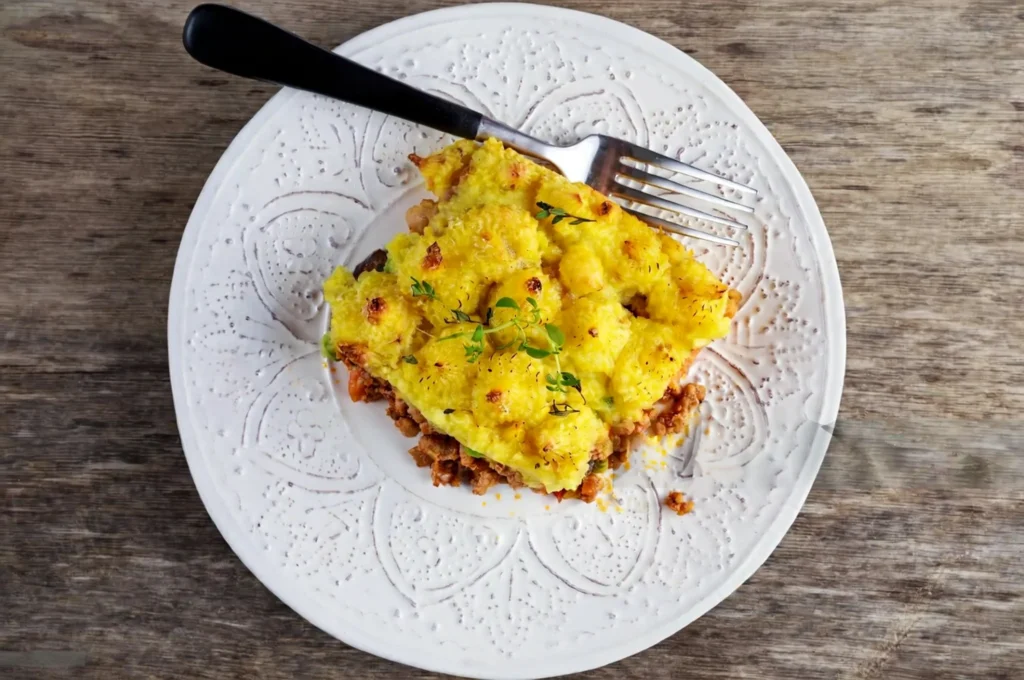
Close shoot of Corn Meat Chicken Pie or Pastry Pastel de Choclo, Chilean Pie Pastel de choclo, a Chilean Shepard's Pie, Chilean traditional typical food
The Role of the Clay Oven
The use of a traditional clay oven, known as the “Horno de Barro,” acts as a primary factor in the success of any authentic Chilean recipe. By applying traditional baking strategies correctly, the dish can achieve a superior texture and flavor profile, which increases its popularity and positively affects the experience of the diners. When you bake your pie in these traditional ovens, you optimize the heat distribution to create the perfect meal. When people look for authentic South American cuisine, the presence of the rustic clay bowl increases the likelihood of them loving the dish.
Your focus on using authentic clay bowls, called “pailas de greda,” remains critical for the success of your presentation. Baking in clay represents not just a technical procedure, but rather a comprehensive culinary strategy that helps retain moisture and improve the eating experience. Through careful temperature control, proper crust caramelization, and excellent heat retention, you elevate the food to new heights.
You can boost your meal’s authenticity and make it much more appealing. By paying attention to the clay baking process, you can increase the visual charm of your food, improve the flavor depth, and build a strong connection to Chilean culture. Therefore, do not ignore this important aspect of traditional cooking, but allocate the necessary time and effort to source the right clay dishes to achieve lasting culinary success.
In short, you cannot ignore the importance of traditional clay baking if you want to create a truly successful Pastel de Choclo. If you wish to reach a wider audience and build a highly respected culinary reputation, you must invest in authentic baking methods seriously.
Immersive Culinary Activities – Visitors wanting to truly understand the magic of the “Horno de Barro” often seek hands-on experiences during their trips. Travelers can book authentic local food tours and cooking classes in Santiago, allowing them to master traditional techniques under the guidance of expert Chilean chefs.
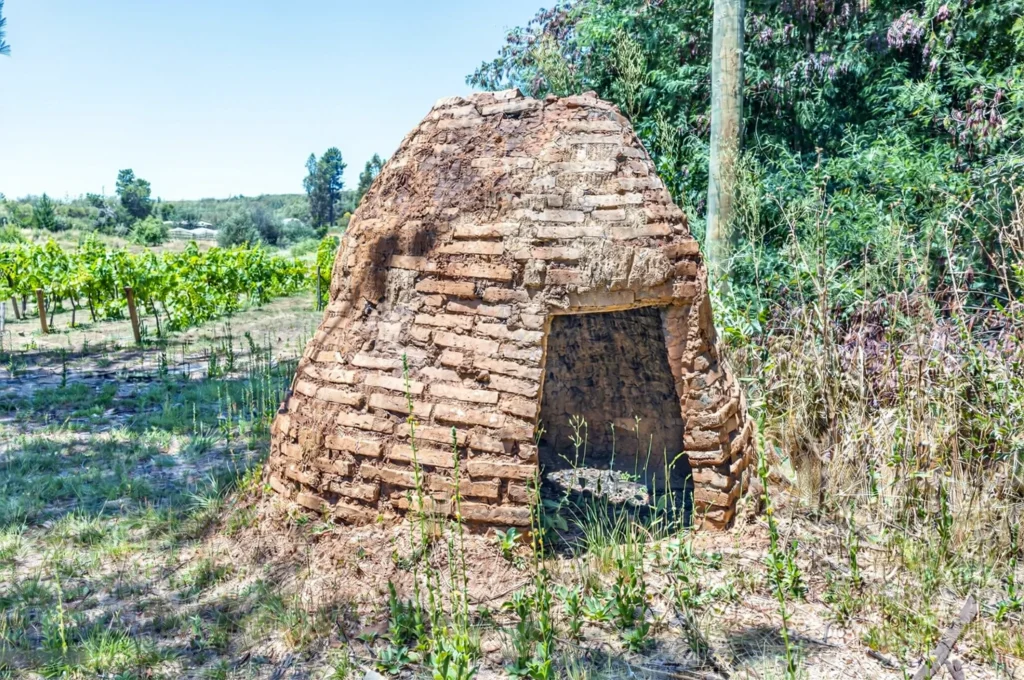
Traditional rustic Chilean brick oven
Pastel de Choclo in Modern Chilean Culture
Your connection with the cultural traditions remains one of the decisive factors in your success with this historical recipe. When you build strong memories around your dinner table and share this dish regularly, you can achieve greater joy and increase your cultural impact. Here are some effective strategies you can follow to integrate this dish into your modern lifestyle.
- Serving Sunday Lunch👈 You must actively prepare this meal for Sunday family gatherings. Serving this dish hot from the oven builds positive and lasting relationships with your family members.
- Celebrating the Harvest👈 Request fresh corn from local farmers during the summer months, and use this seasonal ingredient to meet the cravings of your guests perfectly.
- Sharing Family Recipes👈 Produce high-quality meals that reflect your family’s unique history, and provide cooking tips and secrets that your friends eagerly seek out.
- Enjoying Local Festivals👈 Build an active presence at local food festivals and enjoy the cultural celebrations. Share your passion for the dish and interact with other food lovers.
- Supporting Local Farmers👈 Organize your shopping to prioritize local markets, attracting attention to fresh ingredients and encouraging sustainable farming practices in your community.
- Connecting with Pride👈 Participate in national holiday celebrations by cooking traditional foods. Be active in sharing your heritage, which helps build connections with fellow citizens and attracts new admirers.
By adopting these cultural strategies and actively engaging with your heritage, you can build a strong community around your dining table and achieve sustainable joy in celebrating Pastel de Choclo.
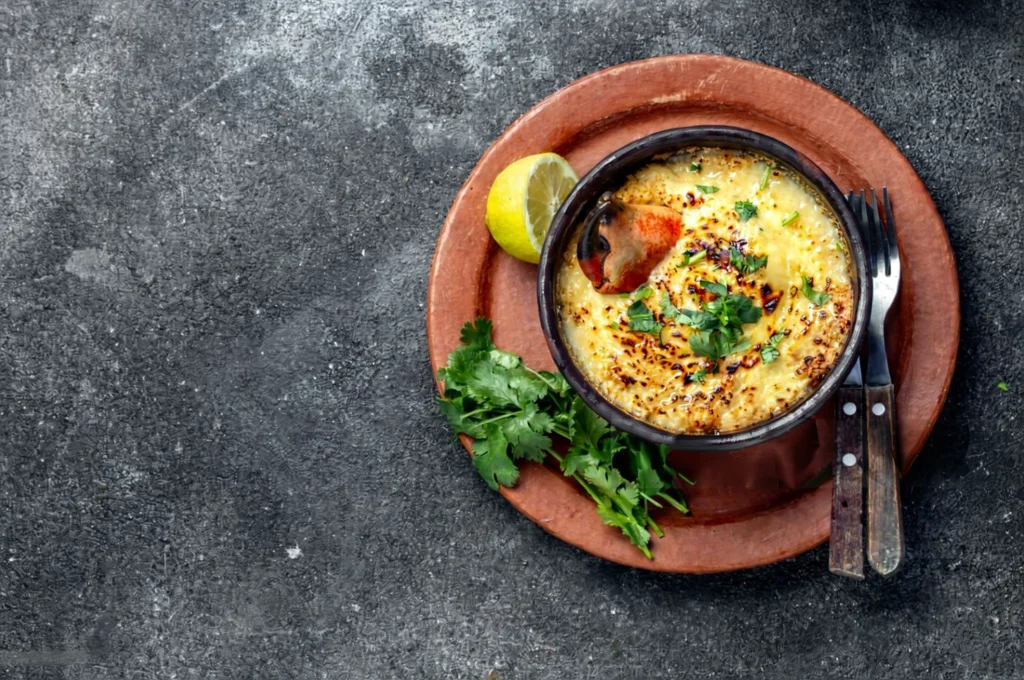
Baked crabmeat crab meat with cheese, cream and bread. Traditional dish of chilean coast. Pastel o chupe de jaiba
Regional Variations Across Chile
In the world of traditional cooking, exploring regional variations can be a crucial strategy to achieve culinary success and enhance the appeal of your dish significantly. The different regions of Chile act as important partners that can offer you inspiration and opportunities to increase your recipe repertoire and improve your skills as a cook. Here is how you can understand the regional variations of the corn pie.
- Researching Northern Styles Begin by researching how the northern regions adapt the recipe. Exploring the use of spicier meats and different corn varieties can increase your chances of discovering a new favorite flavor.
- Creating Southern Richness Develop a filling that aligns with the heartier tastes of the south. Follow the regional guidelines regarding thicker corn pastes to ensure your dish matches the comfort food style of colder climates.
- Utilizing the Sweetness Debate Use the famous debate over sugar to expand your culinary options. You can increase excitement by offering both heavily caramelized versions and purely savory options to your guests.
- Marketing Vegetarian Options By experimenting with plant-based fillings, you can present a modern twist on the classic dish naturally. This approach can provide you with a chance to delight vegetarian friends while maintaining the traditional corn topping.
- Building Coastal Twists Through continuous experimentation with coastal ingredients, you can build unique seafood versions. These variations can evolve over time to include rich crab or shrimp fillings.
- Increasing Elegant Presentations By observing modern restaurant techniques, you can elevate the presentation of your pie and increase the visual appeal of the food you serve. Beautiful plating reflects positively on your reputation as a cook.
- Acquiring Secret Ingredients When you become known for your excellent cooking, you may open new doors to discover family secrets, whether it is a special spice blend or a unique way to roast the chicken.
- Influencing the Palate Your exploration of regional styles can have a positive impact on your community, as your guests will be influenced by the diverse flavors and become ready to try new and exciting variations.
In short, exploring regional variations can be a highly effective strategy to achieve culinary mastery with Pastel de Choclo. Through experimentation and adaptation, your cooking can reach a wider audience and achieve sustainable growth. It opens doors to new flavor combinations and greatly enhances your credibility and impact as a chef. Take advantage of these opportunities positively and enjoy the growth and development in your culinary journey.
Rest and Exploration – Finding the perfect base is essential for vacationers exploring the diverse regional variations of Chilean cuisine. Travelers can discover and book top-rated hotels and comfortable accommodations across Chile, keeping them perfectly situated near the best traditional restaurants and vibrant local farmers’ markets.
How to Enjoy the Perfect Corn Pie
Your dedication to learning how to serve and enjoy this dish serves as a key to achieving true success with Pastel de Choclo. A successful dining experience requires staying informed about the best side dishes and pairings in the world of Chilean cuisine. By understanding these pairings, you can enhance the flavors of the pie, learn to balance the rich meat with fresh sides, and understand the preferences of your dinner guests.
Invest your time in preparing the classic Ensalada Chilena, a simple but brilliant salad made of thinly sliced tomatoes and onions. You can also participate in wine tasting to elevate your knowledge and refine your pairing skills. You must stay connected with traditional beverage choices to provide the ultimate authentic experience. By serving the pie bubbling hot alongside a crisp salad and a glass of Carmenère wine, you will offer a much more valuable and engaging meal for your guests, achieving sustainable success in the kitchen.
In addition to this, paying attention to the serving temperature helps cooks adapt to the specific characteristics of the clay bowl. The clay retains intense heat, allowing the edges of the corn paste to crisp up perfectly. This gives you the opportunity to use new presentation techniques and innovations in serving your food. Consequently, mastering the serving process can contribute to enhancing your status as a host and increasing your positive impact on your family and friends.
Ultimately, a cook’s commitment to the perfect serving style reflects their true desire to grow, develop, and provide immense value to their guests. This leads to building strong, lasting relationships with food lovers and achieving continuous, sustainable success in mastering traditional Chilean recipes.
Preserving the Culinary Heritage
Having patience and perseverance act as the two main keys to success in preserving the history of food. In a world full of fast food and modern conveniences, building an appreciation for traditional meals requires diverse and thoughtful strategies. This goal does not happen in a single moment; rather, it requires patience and relentless effort over the long term.
- Having patience and waiting for the right harvest.
- Maintaining continuity in traditional cooking.
- Dedicating yourself to recipe development.
- Overcoming the challenges of complex preparations.
- Trusting in the growth of your culinary skills.
- Standing firm in your cultural identity.
- Enduring initial cooking failures.
Remember something very important – Success in traditional cooking comes from effort and fatigue, and you may face failure at the beginning of your journey. Overcoming this stage and continuing represents the true success. Also remember that continuity itself is a triumph. My advice to you, fellow cook, is to learn the history of this dish before you start making it.
Therefore, do not hesitate to face the challenges and difficulties you might encounter in your journey of mastering Pastel de Choclo. Always remember that perseverance is the ultimate key to achieving sustainable success and building a distinguished path in the beautiful world of traditional cooking.
Conclusion
Ultimately, we can say that the strategies for mastering Pastel de Choclo require a careful balance between various culinary elements. The cook must be enthusiastic and committed to the traditional methods, while constantly improving their preparation and presentation skills. They must also deeply understand the history of the dish and provide their guests with a highly valuable and delicious meal.
In addition to this, the chef must adopt effective techniques to enhance the appeal of their food by using high-quality ingredients and authentic clay ovens. By applying these methods in a balanced and thoughtful way, cooks and food enthusiasts can build a deep appreciation for Chilean culture, achieving lasting success and leaving a wonderful impact in the world of traditional cuisine.