
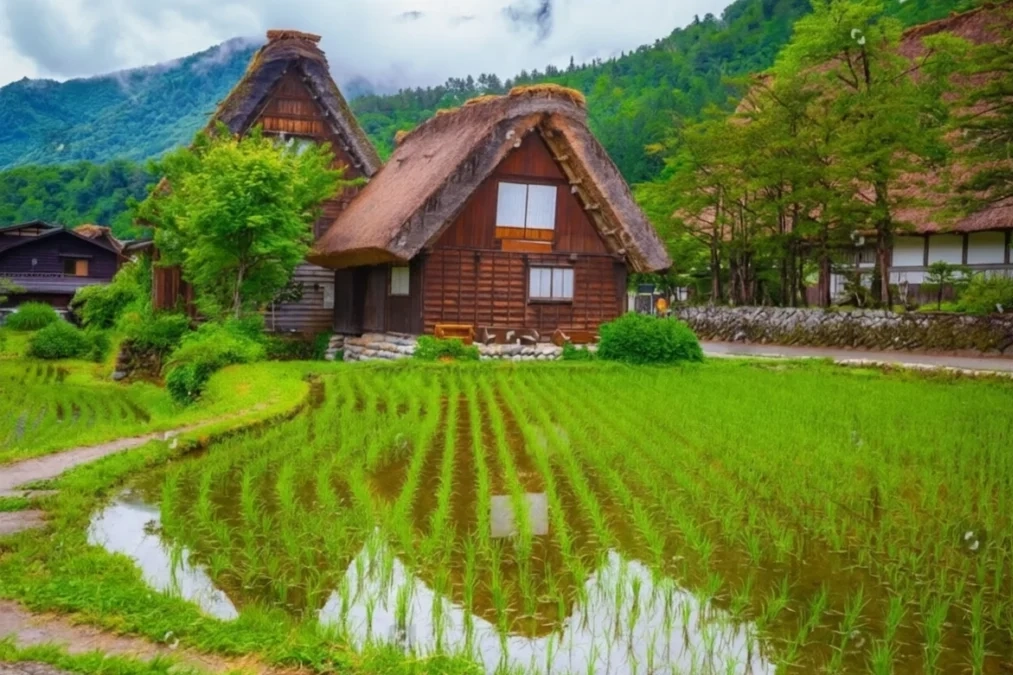
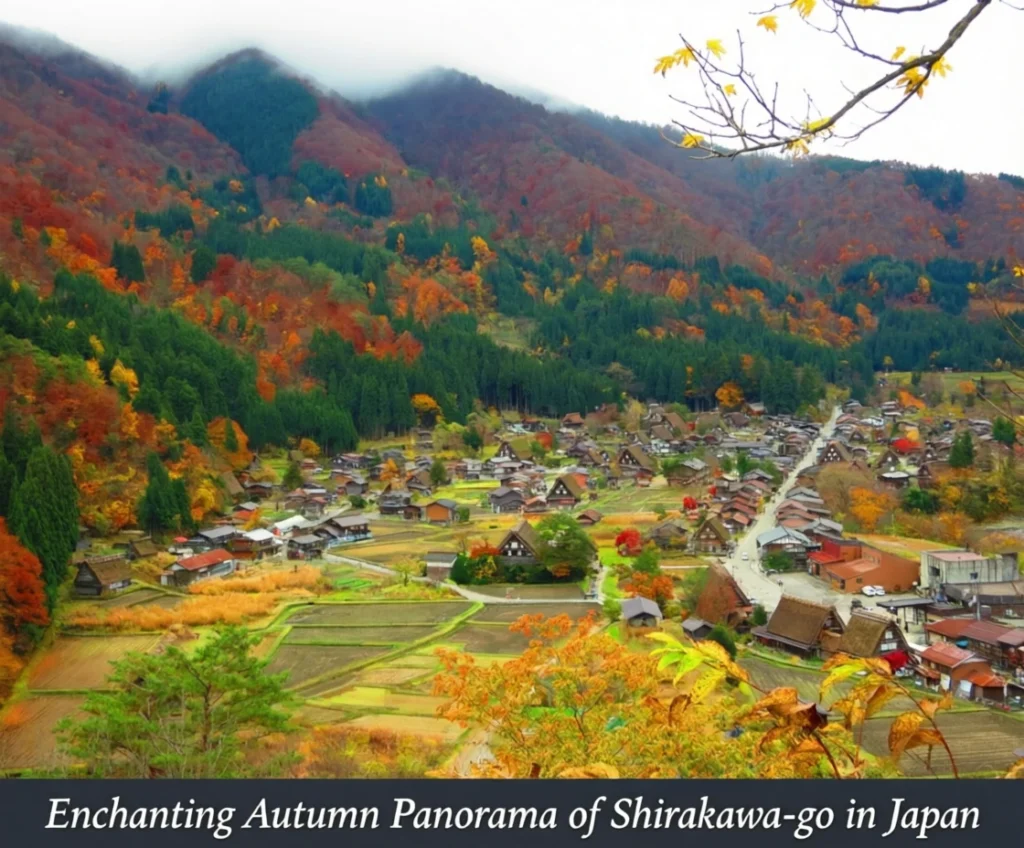
When you think about Traveling to Japan, you might immediately picture the glowing neon lights of Tokyo, the bustling street food markets of Osaka, or the famous crossing in Shibuya. However, to truly understand the historical heartbeat of this incredible country, you need to step away from the massive urban centers and venture deep into the remote mountains. Discovering UNESCO World Heritage sites like Shirakawa-go and Gokayama offers an entirely different perspective. Here, you will find beautifully preserved thatched-roof houses and ancient ancestral traditions that have survived the test of time. This journey helps you connect deeply with the land, ensuring you experience a level of authentic cultural immersion that simply does not exist in modern cities. It also allows you to acquire a profound appreciation for rural craftsmanship, enhancing your overall travel experience and enriching your worldview.
You will find high-quality, engaging experiences that perfectly match the interests of culturally curious travelers. The local communities provide meaningful interactions, presenting their history clearly and warmly. By exploring these hidden valleys, you improve your understanding of traditional Japanese architecture, particularly the famous Gassho-zukuri style. This deep dive into rural life helps you build lasting memories and fosters a genuine connection with the local residents who proudly protect their heritage.
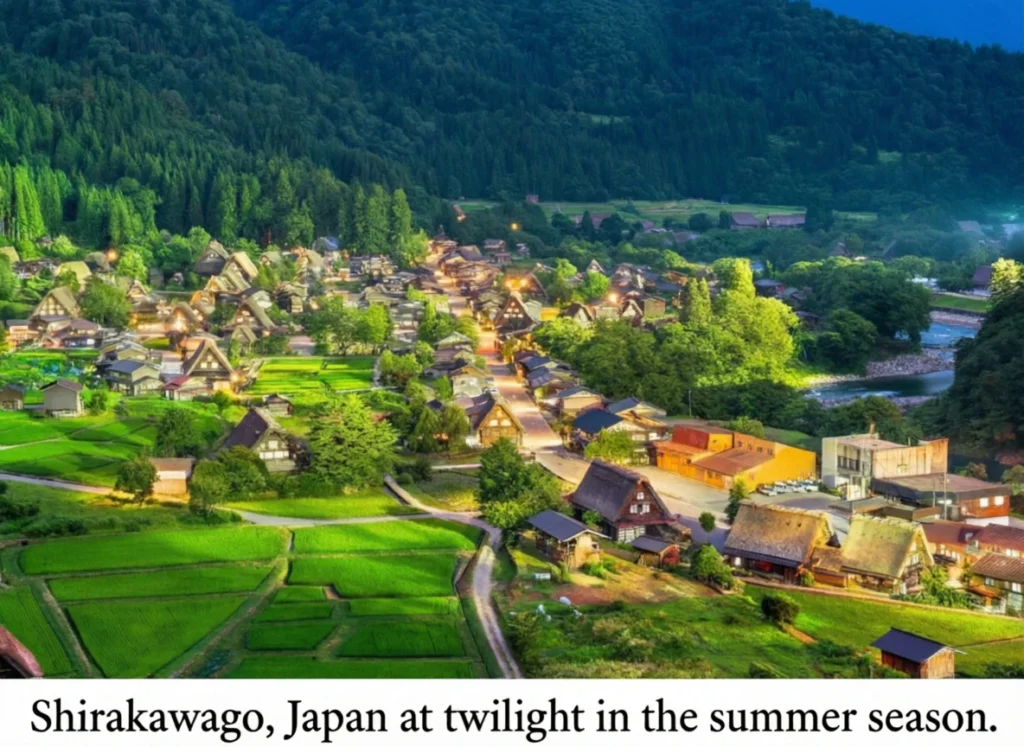
Discover the Magic of Shirakawa-go and Gokayama
Begin your adventure by choosing a destination that sparks your curiosity. When you focus on the remote regions of the Japanese Alps, you inspire yourself to travel with purpose and wonder. When you identify your core travel interests, you can build a memorable journey that fulfills the cultural exploration you seek. You must tailor your visit to these hidden villages based on the type of atmosphere you want to experience and the specific local communities you wish to interact with. Additionally, you can follow these insightful steps to elevate your cultural exploration in these mountain regions.
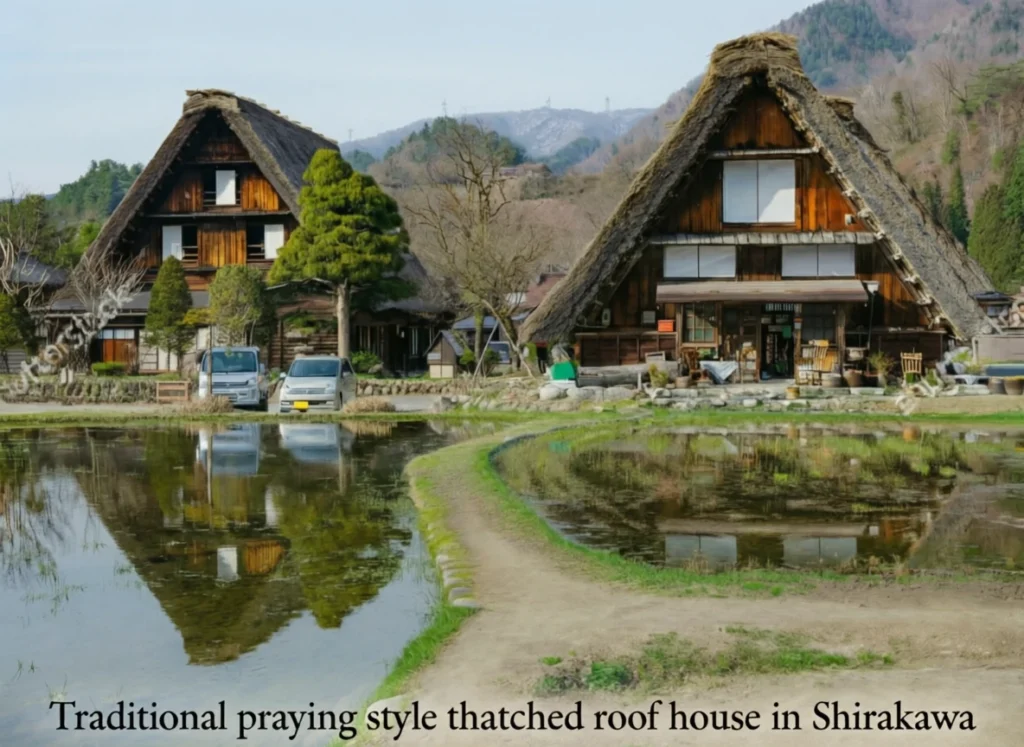
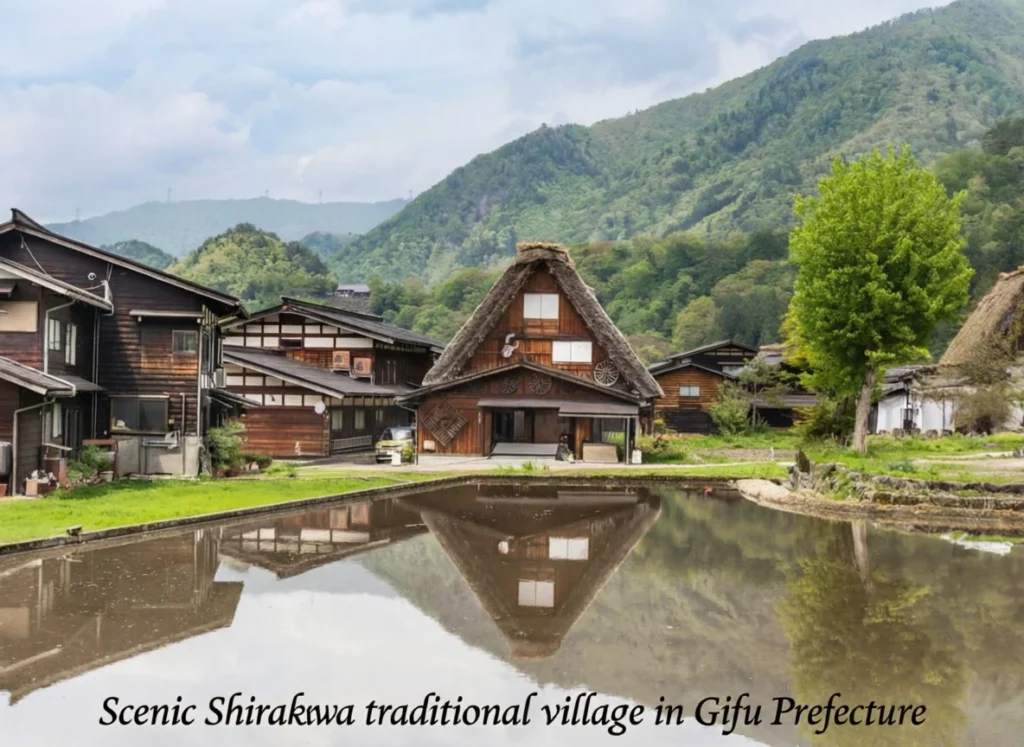
- Explore unique and creative architectural marvels by stepping inside the Gassho-zukuri houses, which feature steeply pitched roofs designed to withstand heavy winter snowfall without collapsing.
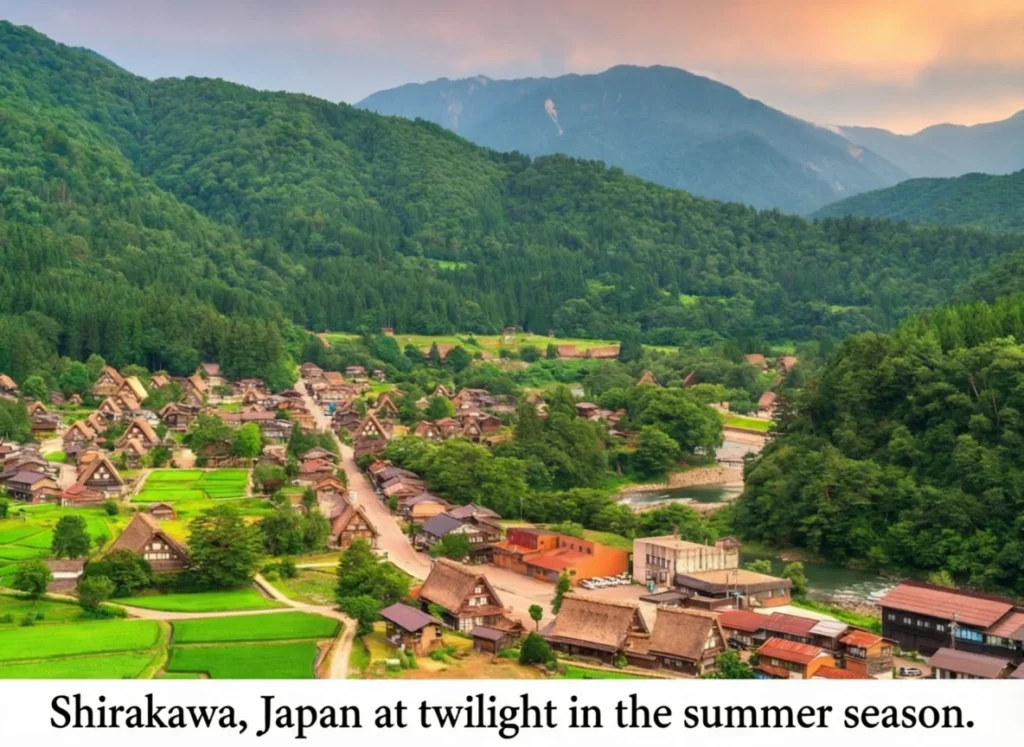
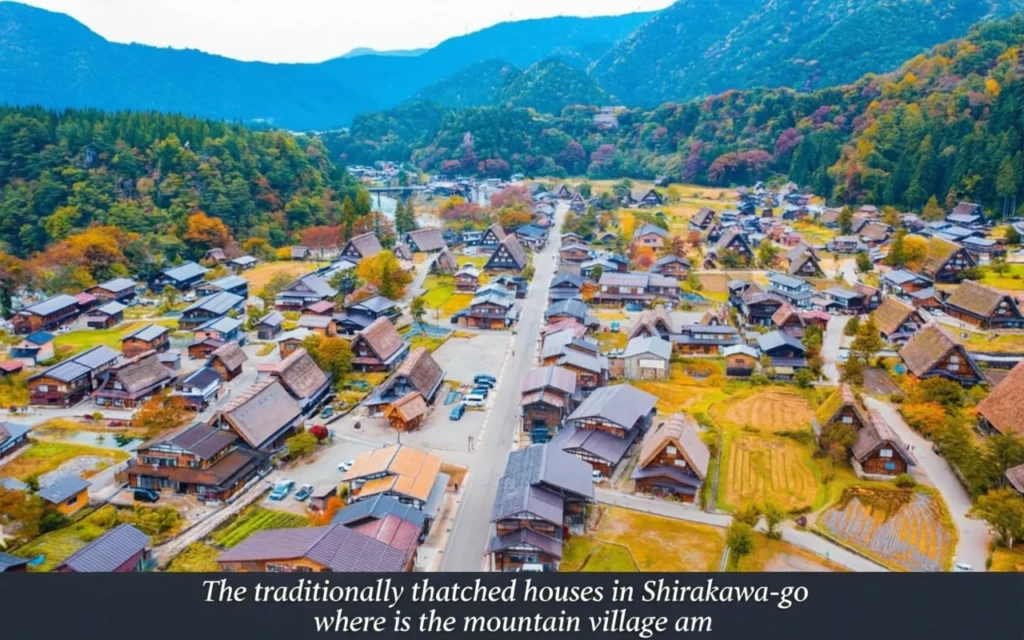
- Develop your personal travel perspective by capturing the distinct atmosphere of these villages during different seasons, from lush green summers to pure white winter wonderlands.
- Build a connection with the local community by visiting small, family-run museums that showcase agricultural tools, traditional silk farming techniques, and historical artifacts.
- Engage with local guides and storytellers in the region to exchange knowledge, learn about the famous “Yui” system of community cooperation, and understand how they replace the massive thatched roofs.
- Review and adapt your travel itinerary regularly based on local weather conditions and crowd sizes, ensuring you adjust your plans to enjoy the most peaceful and authentic moments in the village.
- Invest your time in exploring the less-visited hamlets of Gokayama, such as Ainokura and Suganuma, which offer a much quieter and more intimate experience compared to the popular Ogimachi village.
In short, you must explore all the available opportunities and engage deeply with your surroundings to achieve a truly authentic travel experience, as continuous curiosity and respect will help you forge a strong and meaningful connection with Japan’s rural heritage.
For tourists wanting a structured and deeply enriching experience, sightseers can easily arrange expertly crafted excursions. Enthusiasts can discover highly-rated local guides to maximize their itineraries. Click here to browse tours and activities in rural Japan.
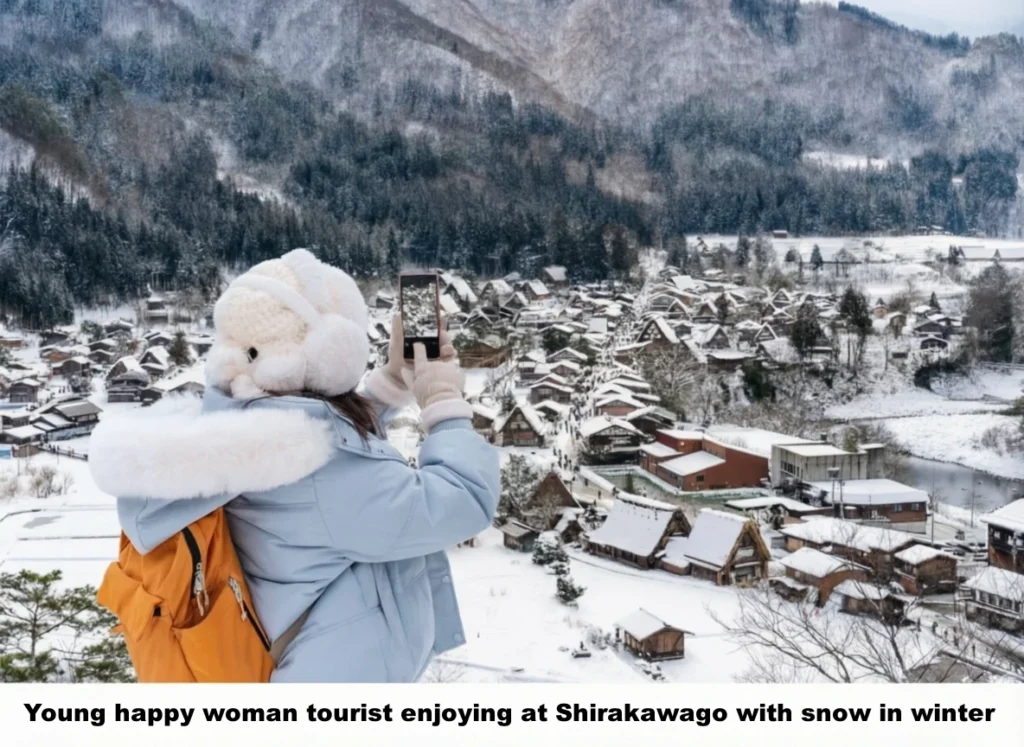
Plan Your Journey to the Mountains
Planning your logistics and travel strategies carefully are the fundamental elements that determine the success of your trip and your overall comfort in these remote areas. For travelers ready to begin an adventure, finding the optimal routes is essential. Visitors can easily compare options and reserve their transit into the mountains early on. Click here to book flights to rural Japan.
- Choose the Right Season 📌Before you begin your journey, you must set a clear goal for what you want to see, whether that means experiencing the magical winter illumination events, enjoying the vibrant autumn foliage, or hiking during the warm spring months. You should direct your travel plans toward fulfilling this specific seasonal vision.
- Understand the Transportation 📌Studying the regional transportation networks and understanding bus schedules helps you navigate the mountainous terrain smoothly and ensures you meet your travel requirements efficiently.
- Book Traditional Accommodation 📌Analyzing availability and seeking out traditional Minshuku (family-run guesthouses) early can help you secure a night in a historic thatched-roof home, elevating your cultural immersion. Click here to book hotels and accommodations in rural Japan.
- Pack Appropriate Clothing 📌You must pack clothing that adds immense value to your comfort, whether by layering up for the freezing snowy winters or wearing breathable fabrics to combat the humid Japanese summer.
- Prepare Sufficient Cash📌 By carrying enough Japanese Yen, you ensure seamless transactions. Small rural villages often rely on cash rather than credit cards, so having local currency on hand is absolutely crucial for buying food and souvenirs.
- Learn Basic Japanese Phrases 📌Using simple greetings and expressions to interact with locals and show respect for their culture can help increase your meaningful connections and expand your understanding of their daily lives.
- Respect Local Guidelines 📌You must be able to follow community rules by staying out of private properties, disposing of your trash properly, and taking local advice into consideration to maintain the pristine condition of the village.
- Practice Patience and Flexibility 📌Building a successful rural travel experience requires patience and perseverance, as unpredictable mountain weather and limited transportation might test your flexibility before you see the tangible rewards of your journey.
By embracing these travel strategies and careful planning, you can increase your chances of having a highly successful trip and maximize the positive impact you have on the host communities.
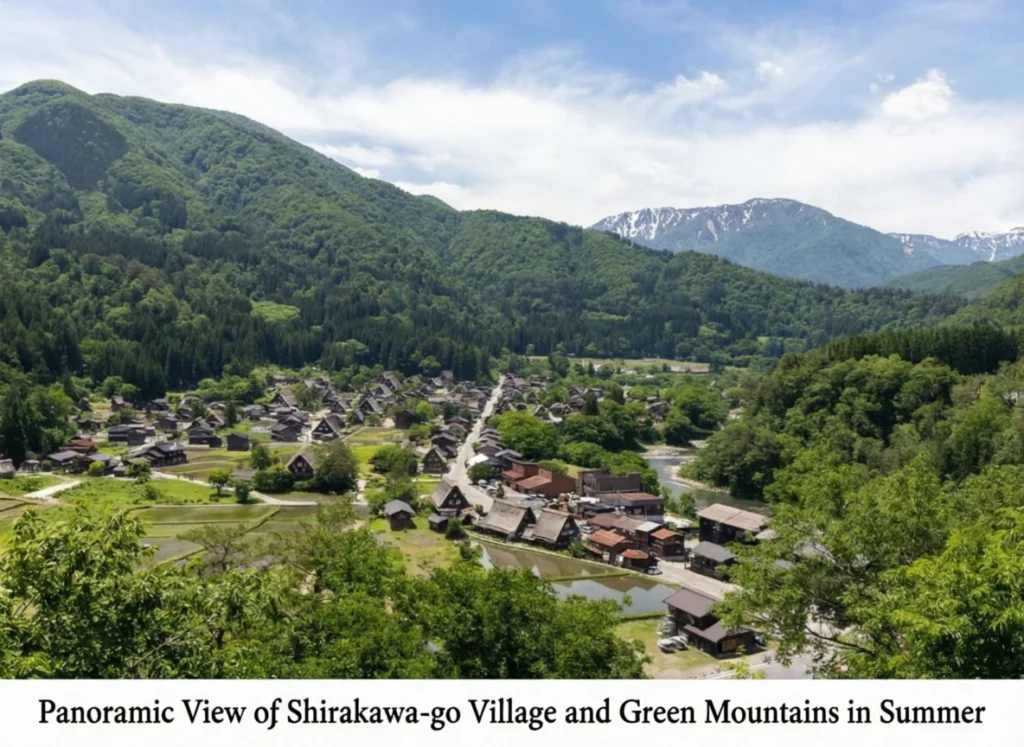
Immerse Yourself in Local Culture
Focusing on cultural immersion serves as an essential strategy for achieving a memorable adventure. An itinerary that embraces high-quality, authentic interactions contributes significantly to attracting meaningful experiences and discovering the hidden gems of the region. Here are several strategies to enhance your cultural immersion in the villages.
- Sleep on Tatami Mats Experience the authentic comfort of traditional Japanese sleeping arrangements by resting on a fluffy futon laid out over woven tatami floors, surrounded by the subtle, earthy scent of the straw.
- Dine Around the Irori Gather carefully around the sunken hearth (Irori) in your guesthouse to enjoy a warm, home-cooked meal consisting of fresh river fish, mountain vegetables, and premium Hida beef.
- Soak in Local Hot Springs Divide your evening into relaxing segments and utilize the local Onsen (hot springs) to soothe your muscles after a long day of walking, following proper bathing etiquette.
- Observe Traditional Craftsmanship Always try to seek out unique artisan workshops where you can witness the intricate process of weaving silk, carving wooden toys, or making handmade paper from mulberry bark.
- Capture Mindful Photography Include natural landscapes and architectural details in your photography to illustrate the beauty of the village, but always ask for permission before photographing local residents.
- Verify Historical Facts Ensure the accuracy of the stories you hear and the credibility of the folklore by visiting the village heritage centers and reading the informational plaques scattered around the town.
- Avoid Rushing Avoid the temptation to rush through the village in a single hour and try to spend a full day absorbing the atmosphere, discovering new details around every corner.
By considering these cultural strategies, you can elevate the quality of your visit and build a strong reputation as a respectful traveler, which increases the richness of your experience and contributes to your overall joy in exploring the countryside.
Preserve the Heritage and Practice Eco-Tourism
Practicing responsible eco-tourism is a fundamental factor for the survival of any heritage site in the modern world. Thanks to the proper application of sustainable tourism strategies, these historic villages can maintain their integrity, which prevents environmental degradation and positively impacts the daily lives of the local residents. When you approach your trip with an eco-conscious mindset, you optimize your visit to be more beneficial for the host community. When visitors travel responsibly to these fragile regions, their respectful presence increases the likelihood that these ancient structures will survive for generations to come.
Your commitment to preserving the heritage is absolutely crucial for the long-term sustainability of the area. Practicing responsible tourism is not just a trend, but a comprehensive ethical approach that helps reduce the negative impacts of mass tourism and improves the overall harmony in the village. By minimizing your carbon footprint, taking your trash with you, and sticking to marked paths, you play a vital role in protecting the landscape.
You can further support these villages by visiting during the off-peak seasons, which reduces overcrowding and distributes income more evenly throughout the year. By focusing on sustainable practices, you can lower the strain on local infrastructure, improve the quality of life for the villagers, and build a positive legacy for international travelers. Therefore, do not ignore this important aspect of your travel strategy; dedicate the necessary effort and attention to treading lightly on the environment to ensure these time capsules remain pristine forever.
In short, no one Traveling to Japan should ever ignore the profound importance of preserving local heritage sites. If you want to access these incredible places and contribute to a sustainable and harmonious future, you must invest your time in learning and practicing responsible eco-tourism.
Connect with the Locals
Your interaction with the local community is one of the decisive factors in the success of your journey. When you build positive relationships with the residents and interact with them respectfully, you can achieve a much deeper understanding of their lifestyle. Here are some effective strategies you can follow to interact gracefully with the locals in these historic villages.
- Smile and Greet Warmly👈 You should actively greet the shopkeepers, guesthouse owners, and residents you cross paths with. A polite bow and a friendly “Konnichiwa” go a long way in building positive rapport.
- Show Genuine Interest👈 Ask local artisans polite questions about their crafts, and use their answers to broaden your cultural knowledge and better appreciate the immense skill required to create their goods.
- Participate in Workshops👈 Create a memorable experience by joining local craft workshops or cooking classes, which allows you to learn traditional techniques directly from the masters themselves.
- Share Your Gratitude👈 Build a warm connection by expressing your sincere thanks for their hospitality. Saying “Arigatou gozaimasu” with a warm smile leaves a lasting positive impression on your hosts.
- Support Community Events👈 Organize your schedule to attend local seasonal festivals or community gatherings to capture the vibrant spirit of the village and encourage the continuation of these beautiful traditions.
- Respect Personal Boundaries👈 Engage with the community in public spaces and designated tourist areas, and remain mindful of their privacy, which helps build mutual trust between locals and international visitors.
By adopting these social strategies and interacting effectively with your hosts, you can build a bridge of cultural understanding and achieve a highly rewarding travel experience.
Support Local Artisans and Brands
In the realm of rural travel, engaging with local businesses and artisans serves as a crucial strategy to achieve a positive impact and significantly boost the local economy. Small local brands and craftspeople are important partners who provide you with authentic souvenirs and the opportunity to take a piece of the village’s soul home with you. Fostering this connection is vital, and it is highly recommended to support local brands during your visit.
- Research Local Crafts Start by looking into the specific crafts that the village is famous for. Exploring traditional arts like Gokayama’s Washi paper making can increase your chances of finding a truly meaningful keepsake.
- Buy Authentic Souvenirs Purchase items that align with the heritage and history of the area. Follow the principle of buying directly from the maker to ensure your money directly supports the artist’s livelihood.
- Taste Regional Delicacies Use your budget to explore the local food scene. You can expand your culinary horizons by tasting regional snacks like Gohei mochi (grilled rice skewers) and locally brewed sake.
- Support Family Guesthouses By staying in a locally-owned Minshuku, you directly fund the maintenance of the historic Gassho-zukuri houses. This provides you with an incredibly authentic experience while financially sustaining the local families.
- Value Handmade Quality Through a conscious choice to buy handmade goods, you help build a sustainable future for traditional crafts. These choices prioritize quality and history over cheap, mass-produced plastic souvenirs.
- Promote via Word of Mouth By sharing your experiences with authentic local shops, you can elevate their reputation and increase trust among future travelers. Recommending these small businesses reflects positively on your own travel ethics.
- Embrace Unique Opportunities When you become known as a traveler who deeply respects local crafts, you open doors to new experiences, such as being invited to see a private workspace or learning a unique technique directly from an elder.
- Create a Positive Impact Your interaction with local vendors creates a positive ripple effect in the community, as residents feel validated and proud when international visitors show genuine enthusiasm for the products they create.
In short, supporting local artisans and businesses is a highly effective strategy for creating a meaningful impact while traveling. Through mindful purchases and respectful engagement, your trip can reach its highest potential and foster sustainable growth in the community. It opens doors to unforgettable encounters and deeply enhances the authenticity of your journey. Take full advantage of these wonderful opportunities and enjoy your cultural exploration.
Keep Learning About Japanese Traditions
Your continuous education and curiosity remain fundamental to achieving a profound understanding of Japan. Truly meaningful travel requires you to stay informed about the history, spiritual beliefs, and social structures that shaped these rural communities. By continuously learning, you can develop your cultural intelligence, discover the deeper meanings behind the architecture, and understand the shifting dynamics of rural Japanese life.
Invest your time in reading history books, watching documentaries, and exploring articles related to traditional Japanese folklore before and after your trip. You can also stay connected with cultural forums and interact with the broader community of travelers to exchange stories and insights. By continuing to learn and evolve your perspective, you will possess the ability to extract more value and beauty from your memories, ensuring a lasting and transformative impact long after Traveling to Japan.
Furthermore, maintaining a habit of cultural learning helps travelers adapt to the subtle nuances of Japanese etiquette and societal norms. This grants you the opportunity to apply these philosophical lessons, such as the concept of “Wabi-Sabi” (finding beauty in imperfection) and “Omotenashi” (wholehearted hospitality), to your own daily life. Consequently, this continuous personal development elevates your status as a global citizen and increases your positive influence on the people around you.
Ultimately, a traveler’s commitment to continuous learning reflects their genuine desire to grow, evolve, and bring added value back to their home country. This dedication leads to building strong, sustainable bridges of empathy across cultures, culminating in a highly rewarding and enlightening lifelong journey.
Embrace the Slow Pace and Practice Patience
Embracing the slow pace and practicing patience are the twin keys to enjoying rural destinations. In a world full of digital distractions and high-speed itineraries, connecting with the quiet rhythm of a mountain village requires a deliberate shift in mindset, and this does not happen instantly; it requires patience and a willingness to simply exist in the moment.
- Disconnect from digital devices.
- Wake up early to catch the mountain mist.
- Walk slowly and mindfully through the valleys.
- Listen closely to the sound of the river.
- Observe the intricate details of the woodwork.
- Let go of rigid, rushed schedules.
- Appreciate the silence of the night.
Remember something very important – The true joy of exploring hidden villages stems from slowing down, and you might feel restless at the beginning of the trip. Overcoming this modern urge to rush and embracing the calm is the real victory. Remember also that being present in the moment is a success in itself. My advice to you, fellow traveler, is to clear your mind completely before stepping into these valleys.
Therefore, do not hesitate to face the internal challenge of slowing down during your trip. Always remember that patience is the absolute key to achieving a sustainable sense of peace and building an incredibly distinct and rejuvenating experience in these forgotten time capsules.
Conclusion – Ultimately, we can conclude that the strategies for a successful journey to Japan’s hidden villages require a delicate balance of various elements. A traveler must be passionate and committed to cultural respect, while continuously refining their understanding of local customs. They must clearly comprehend the challenges of rural life and approach the destination with an open heart and a slow pace.
Additionally, the mindful traveler adopts effective methods to support the local economy by engaging with artisans and respecting the ecological boundaries of the region. By applying these balanced and thoughtful strategies when Traveling to Japan, international visitors can forge profound connections, experience true tranquility, and leave a positive, lasting impact on these magnificent, historic time capsules.