
Welcome to La Paz, Bolivia, a breathtaking city nestled high in the Andes mountains. As a digital nomad or an adventurous tourist, you will quickly discover that this vibrant city offers much more than just spectacular views and a high altitude. The local culinary scene holds incredible treasures, and nothing represents Bolivian street food better than the legendary authentic Salteñas. To truly experience La Paz, you need to step out into the bustling streets mid-morning, follow the sweet and savory aromas, and discover the ultimate Bolivian pastry. Finding the best local bakeries helps you connect with the culture, support local vendors, and treat your taste buds to an unforgettable explosion of flavor.
Thank you for reading this post, don't forget to subscribe!You want to find high-quality, freshly baked goods that capture the true essence of Bolivian gastronomy. An authentic pastry offers a delicate balance – a slightly sweet, golden crust holding a rich, savory, and incredibly juicy meat stew inside. Finding the perfect spot requires a little local knowledge and a good sense of direction. This comprehensive guide will show you exactly where to go, how to eat them without making a mess, and why this morning ritual remains the heartbeat of La Paz. Put on your walking shoes, grab some napkins, and let us dive into the ultimate culinary journey.

Latina woman showing a salteña with her hand with the cityscape of the city of la paz, bolivia
Understand the Magic and History
Start by learning what makes this particular treat so special. The history dates back to the early 19th century when Juana Manuela Gorriti fled her hometown of Salta, Argentina, and settled in Bolivia. She started baking these juicy empanadas to survive, and locals soon began calling them after her origins – the woman from Salta. Today, a successful culinary adventure in La Paz requires you to appreciate the complex anatomy of this pastry. The dough must be strong enough to hold the boiling broth inside, yet tender enough to melt in your mouth. Furthermore, you can follow these steps to truly understand the pastry before you take your first bite.
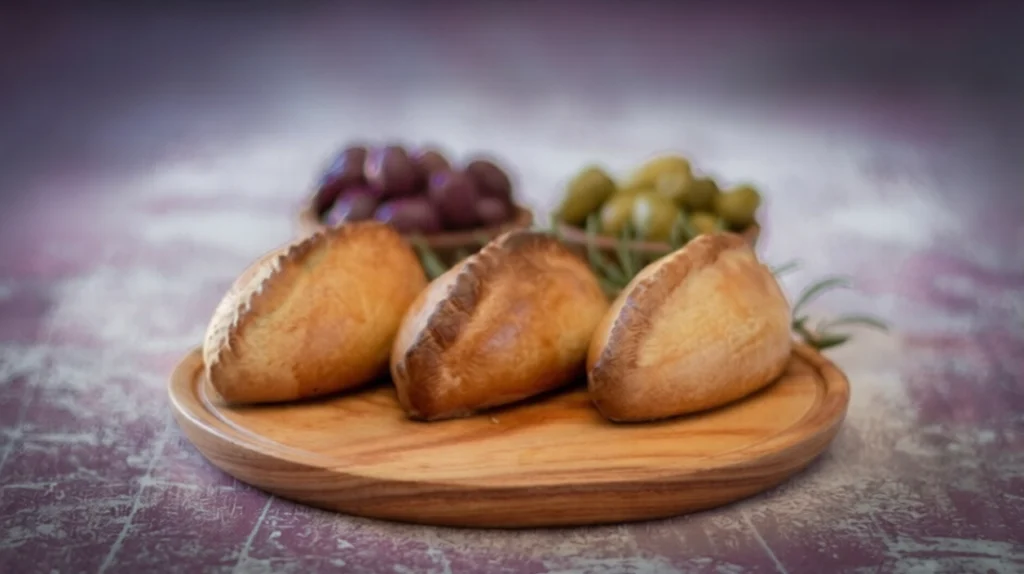
- Observe the distinct shape and color. The vibrant yellow-orange tint comes from achiote (annatto seed), giving the crust a beautiful, appetizing glow.
- Appreciate the braided seal across the top. Locals call this the “repulgue.” A perfect, tight braid ensures the delicious juices do not escape during baking.
- Expect a surprising interior. Unlike dry empanadas, the filling features a gelatinous stew called “jigote” that melts into a rich broth when heated in the oven.
- Look for the hidden treasures inside. A traditional recipe always includes small pieces of potatoes, peas, a slice of hard-boiled egg, a black olive, and sometimes a few raisins.
- Recognize the timing. You must eat them in the morning. Vendors usually sell out by noon, making this a strictly mid-morning tradition.
- Notice the social aspect. Eating these pastries brings people together. You will see business executives, students, and construction workers all sharing the same street corners.
In short, you must embrace the history and the craft behind the food. Doing so transforms a simple snack into a profound cultural experience. The more you know about the ingredients and the tradition, the more you will enjoy your morning routine in La Paz.
Ready to taste authentic Salteñas? Travelers planning a trip to Bolivia can easily find convenient routes to the high-altitude capital. Visitors should compare travel options early to ensure a smooth arrival in the Andes. Check the latest flight deals to La Paz, Bolivia.
Plan Your Morning Culinary Route
Planning your morning route across La Paz forms the foundation of a successful food tour. The city features a dramatic landscape with winding streets and steep hills. Because vendors sell out early, you need a solid strategy to reach the best spots while the ovens still run hot. Here are the top neighborhood strategies to maximize your tasting experience.
- Explore the Bohemian Sopocachi 📌 Start your journey in the artistic neighborhood of Sopocachi. The tree-lined streets house several traditional bakeries that have served locals for decades. You can enjoy your food in Plaza Abaroa.
- Navigate the Historic Center 📌 The busy streets around Plaza Murillo and the San Francisco Church offer dozens of street carts. Eating here lets you feel the raw, energetic pulse of the city center.
- Venture to Zona Sur (San Miguel) 📌 If you prefer a more modern, relaxed vibe, head down to the southern zone. San Miguel features upscale cafes where you can pair your pastry with premium Bolivian coffee.
- Arrive Early for the Best Selection 📌 Always plan to arrive between 9:30 AM and 11:00 AM. If you show up at 1:00 PM, you will only find closed doors or empty glass display cases.
- Look for the Long Local Lines📌 A long line of locals serves as the best indicator of quality. If you see office workers waiting patiently outside a small shop, join the line immediately.
- Bring Small Bills and Coins 📌 Street vendors rarely have change for large 100 Boliviano bills. Carry small coins (2, 5, and 10 Bolivianos) to make transactions smooth and respectful.
- Talk to Your Taxi or Teleférico Driver 📌 Locals love to debate about food. Ask your cable car operator or taxi driver for their personal favorite spot. You might discover a hidden gem.
- Plan Rest Stops 📌 Walking at high altitudes requires energy. Map out your route so you can sit on a bench, enjoy your warm meal, and catch your breath before moving to the next spot.
By incorporating these strategies and planning your route, you increase your chances of having an incredible food journey. You will save time, avoid the disappointment of sold-out shops, and navigate the steep streets of La Paz like a true insider.
Stay near the best bakeries – Digital nomads and tourists aiming to catch the morning pastry rush will benefit from staying in central culinary hubs like Sopocachi or San Miguel. Travelers can secure comfortable lodging steps away from these famous ovens. Explore top-rated hotels and accommodations in La Paz.
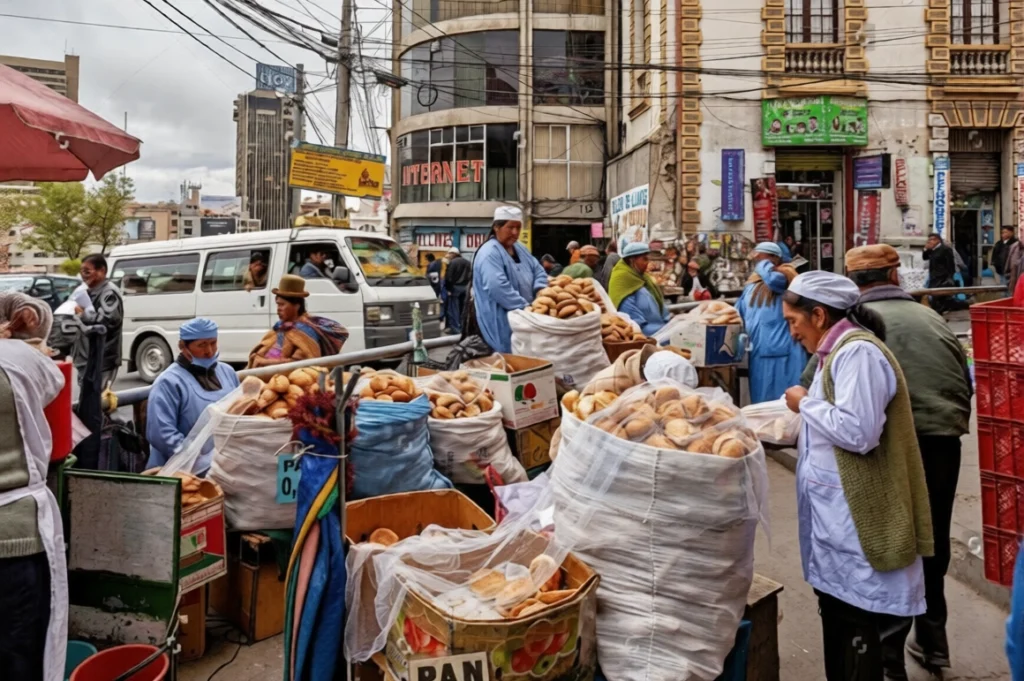
Women are selling Bread and Food in the streets of La Paz in Bolivia
The Golden Rule | How to Eat Them Like a Local
Paying attention to your eating technique remains crucial. If you try to eat this juicy pastry like a regular sandwich or use a knife and fork, you will create a messy disaster. Learning the proper technique saves your clothes from stains and earns you nods of respect from the locals around you. Follow these essential steps for a flawless eating experience.
- Hold It Upright Always hold the pastry vertically. The braid should run along the top. If you tilt it sideways, the hot broth will immediately spill out.
- Bite the Tip Carefully Take a small bite out of the top corner. This creates a tiny vent that lets the hot steam escape and prevents the crust from cracking further.
- Cool the Broth Blow gently into the opening. The jigote inside comes out of the oven extremely hot, and you need to cool it down before your first sip.
- Drink the Juice First Treat the pastry like a bowl of soup. Drink the savory broth directly from the corner hole before you attempt to eat the rest of the meat and dough.
- Add the Llajua Once you clear some space, grab a small spoon and drop in some llajua (Bolivian spicy tomato and locoto pepper salsa). It elevates the flavor tremendously.
- Eat Around the Edges Slowly eat your way down, alternating between sipping the remaining juice and biting the crust. Keep it upright until the very last bite.
- Never Use a Spoon for the Meat Some tourists try to scoop the meat out with a spoon. Resist this urge. The true joy comes from the combination of the crust and the filling in every bite.
Mastering these steps ensures you look like a seasoned local rather than a confused tourist. Taking the time to eat properly enhances the sensory experience, combining the warmth, the spices, and the satisfying crunch of the crust into one perfect mid-morning moment.

Close-up of latin woman biting into a salteña in the open air in the city of la paz, bolivia
Compare the Styles | Authenticity Matters
When you wander through La Paz, you will notice dozens of places claiming to sell the best product. However, authenticity heavily influences the taste. You will find a distinct difference between commercial chain bakeries and traditional family-run ovens. Choosing the right style of bakery greatly impacts your culinary experience.
A traditional family-run shop focuses on small batches. They prepare the jigote a day in advance, allowing the gelatin to set properly and the spices to marinate the meat overnight. When baked, this slow preparation results in a deeper, richer flavor profile. On the other hand, commercial spots might speed up the process, resulting in a drier filling or a thicker, doughy crust.
To help you navigate the options, here is a quick comparison table of the top recognized spots in La Paz, highlighting what makes each unique.
Salteñería Name | Neighborhood | Specialty/Vibe | Spice Level Options |
Paceña La Salteña | Centro / Sopocachi | Classic traditional taste, highly awarded | Mild, Medium, Spicy |
Salteñería Castores | Zona Sur / Centro | Sweeter crust, extremely juicy filling | Sweet, Spicy (Picante) |
El Hornito | Sopocachi | Cozy local favorite, authentic clay oven style | Mild to Very Spicy |
Salteñas Diablo | San Miguel | Known for high heat, modern branding | Extra Spicy (Diablo) |
Tukos | Miraflores | Generous meat portions, thicker crust | Mild, Spicy |
Exploring these different vendors allows you to find your personal favorite. Some days you might crave a sweeter dough, while other mornings you might need an extra spicy kick to wake you up. Understanding the nuances between these brands helps you appreciate the deep culinary culture of Bolivia.
In summary, you should never settle for the first pastry you see in a supermarket display. If you want the real experience, you must seek out the specialized bakeries (salteñerías) that dedicate their entire livelihood to perfecting this single recipe.
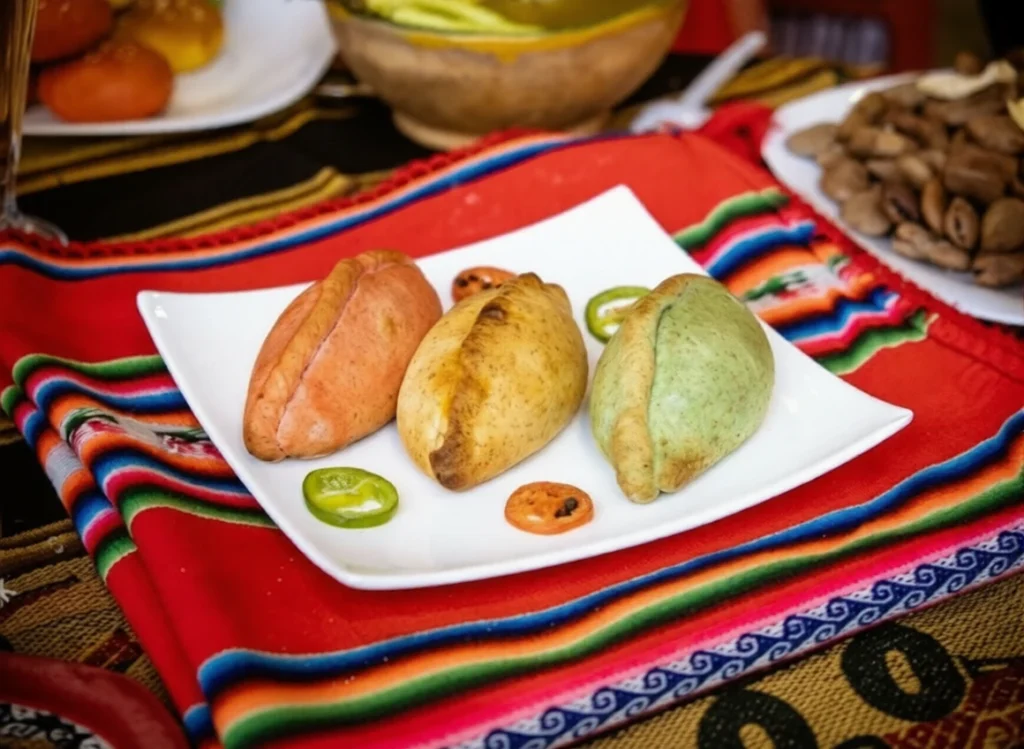
Bolivian food - salteña or meat empanada
Top Authentic Salteñerías You Must Visit
Engaging with the local food scene requires you to step out of your comfort zone and visit the places locals swear by. Building an itinerary around these legendary shops gives you a true taste of La Paz. Here are the top authentic spots you absolutely must include in your morning food hunt.
- Paceña La Salteña 👈 Considered an absolute classic in La Paz. They have won numerous awards for their perfect balance of sweet dough and savory broth. You can find branches in Sopocachi and the center.
- Salteñería Castores 👈 Famous for their uniquely sweet dough that perfectly contrasts with their spicy beef filling. Their pastries tend to be slightly larger and incredibly juicy, so keep your napkins ready.
- El Hornito 👈 Located in Sopocachi, this small shop offers a very home-cooked feel. Their chicken variety features tender, slow-cooked meat that falls apart beautifully in the rich yellow broth.
- Salteñas Diablo 👈 If you love spicy food, you must visit Diablo. As the name suggests, their spicy options pack a serious punch, using high-quality local locoto peppers to bring the heat.
- Salteñería Chuquisaca 👈 A wonderful spot representing the flavors of Sucre (the constitutional capital of Bolivia). They use distinct regional spices that give the broth a unique, slightly earthy flavor.
- Street Corners in San Miguel 👈 Do not ignore the independent ladies sitting on stools with large coolers. Often, these street vendors offer the most authentic, homemade pastries wrapped in simple white paper.
By visiting a mix of established bakeries and humble street vendors, you get a full picture of the local food economy. These spots guarantee a memorable meal and provide a fantastic way to connect with the daily rhythm of the city.
Explore with a local expert – Food enthusiasts wanting to discover hidden street food gems can easily join specialized walking tours. Guided excursions allow visitors to safely navigate the steep streets while sampling the city’s finest Salteñas with a knowledgeable guide. Book local food tours and culinary activities in La Paz.
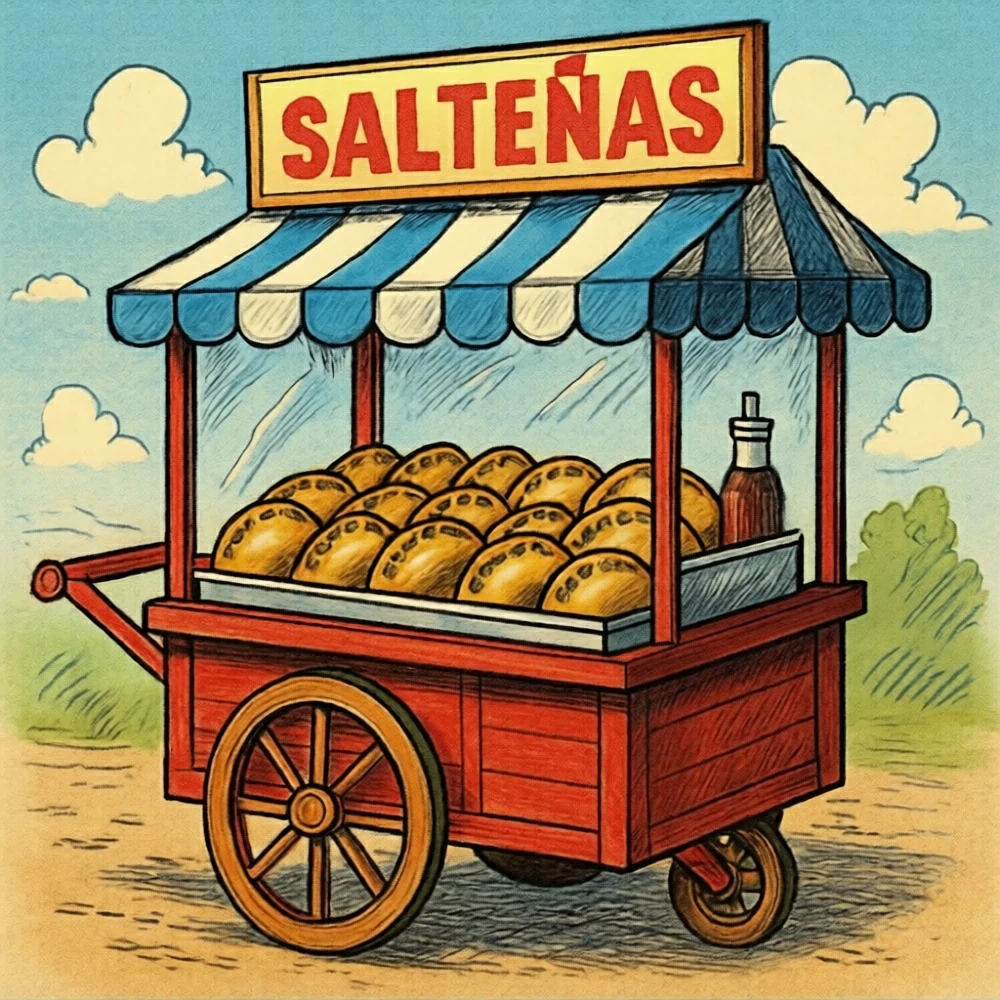
Connect with the Local Food Culture
In the world of travel, connecting directly with the local culture transforms an ordinary trip into a lifelong memory. When you buy street food in La Paz, you participate in a cherished daily ritual. Vendors love it when foreigners show genuine interest in their craft. Engaging with the people who bake and sell these treats enhances your overall experience and deepens your appreciation for the country.
- Learn the Vocabulary Start by learning the Spanish terms for the fillings. “De carne” means beef, “de pollo” means chicken, and “de fricasé” features spicy pork. Knowing what to order builds confidence.
- Embrace the Spice Levels Vendors usually ask if you want it “dulce” (sweet/mild) or “picante” (spicy). Trying the spicy version gives you a true taste of the Andean love for heat and bold flavors.
- Talk to the Vendors Ask the vendor how long they have been baking or what makes their recipe special. Many recipes span generations, and they take immense pride in sharing their family history.
- Understand the Olives and Raisins Do not be surprised when you bite into a whole olive (complete with the pit) or a sweet raisin. These ingredients add crucial layers of flavor that define the authentic Bolivian style.
- Master the Llajua Pay attention to the fresh salsa they offer you. Llajua consists of crushed tomatoes, locoto pepper, and an Andean herb called quillquiña. It is the lifeblood of Bolivian cuisine.
- Join the Standing Crowd You rarely sit down for this meal. Join the locals standing around the cart, chatting, and expertly eating their food without spilling. It is a communal experience.
- Support Vegetarian Options Many places now offer “de hoja” or vegetarian options. If you do not eat meat, you can still participate in this amazing cultural tradition without compromising your diet.
- Respect the Routine Understand that this is a mid-morning break for workers, similar to a coffee break in other countries. Enjoy the relaxed pace before the city rushes back to work.
Ultimately, connecting with the culture means more than just eating; it means observing, participating, and showing respect. When you stand on a busy La Paz street corner, successfully eating a spicy beef pastry without a spoon, you stop being just a tourist. You become a part of the city’s living, breathing culinary fabric. Enjoy the connections you make along the way.
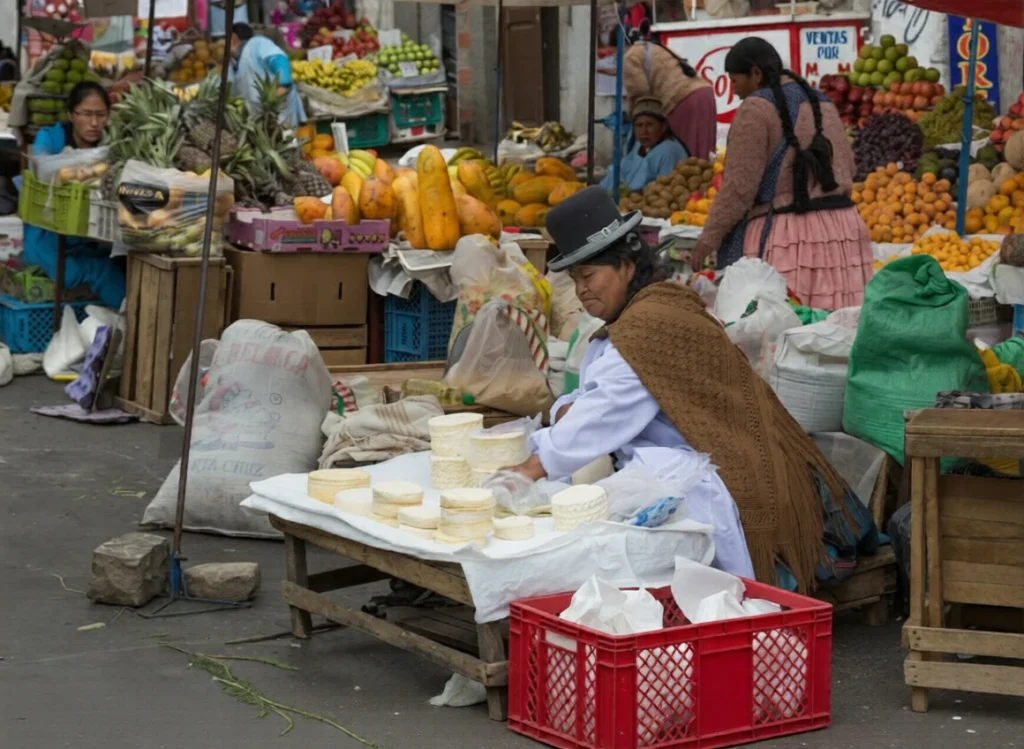
Woman selling cheese on the street market
Keep Exploring and Tasting
Your culinary education in La Paz does not end after your first successful bite. To truly appreciate Bolivian gastronomy, you must continue to explore and taste different variations. The recipe changes slightly as you travel across different regions of Bolivia, and many vendors in La Paz bring their regional secrets to the capital. By maintaining a curious palate, you will discover subtle differences in the thickness of the broth, the sweetness of the crust, and the intensity of the spices.
Spend your mornings visiting different neighborhoods. Try a modern, gourmet version at an upscale cafe one day, and contrast it with a rustic, clay-oven baked version the next day. Pay attention to how the dough reacts to the filling. Take notes on which places use more peas or chunkier potatoes. If you stay in La Paz for a few weeks as a digital nomad, make it a personal mission to rate every bakery within walking distance of your accommodation.
Furthermore, staying open to new flavors allows you to discover modern fusions. Today, some young Bolivian chefs experiment with unique fillings like quinoa stews, smoked meats, and even creamy mushroom blends. While traditionalists stick to the classic beef and chicken, these modern twists show how the culinary scene in La Paz continues to evolve and adapt. Your willingness to try both the historic recipes and the modern creations gives you a complete view of the city’s food landscape.
Ultimately, your dedication to exploring different vendors highlights the vast diversity of Bolivian cuisine. Each bakery tells a different story through its food, leading to a much richer travel experience and a deeply satisfying culinary journey in the heart of the Andes.
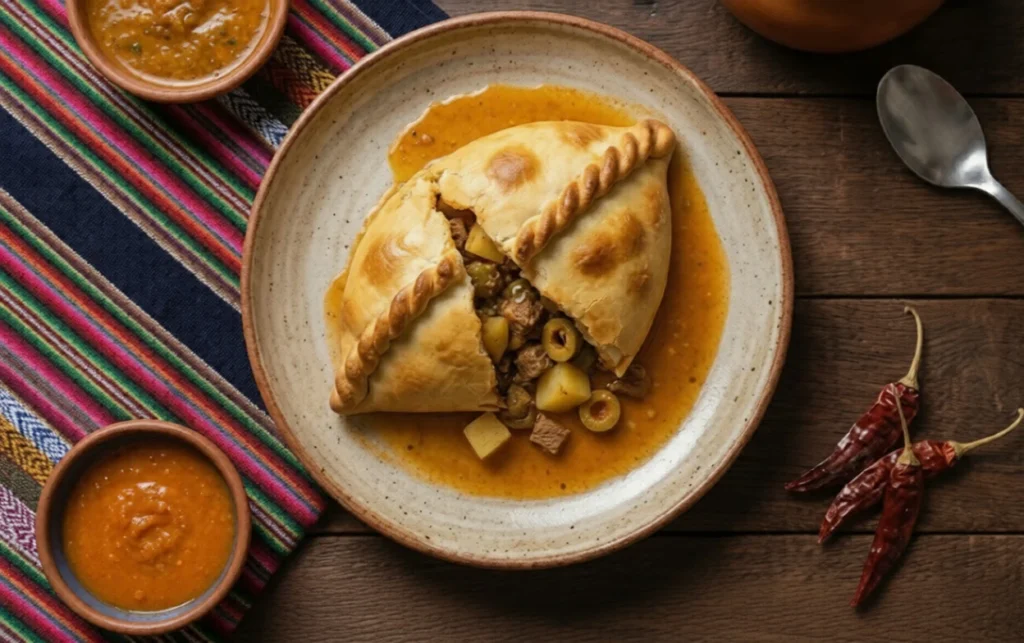
Overhead photo of Bolivian salteña pastry with juicy filling and crimped edge
Embrace the Altitude and the Pace
Patience and a relaxed pace serve as your best tools when exploring La Paz. At 3,600 meters (11,800 feet) above sea level, everything moves a bit differently. Your digestion slows down, and walking up steep hills to reach that famous bakery takes a physical toll. You must adapt to the high-altitude environment to fully enjoy your food quest without feeling overwhelmed or sick.
- Walk slowly up the hills.
- Drink plenty of water.
- Sip some coca tea beforehand.
- Do not overeat on your first day.
- Wait patiently in long lines.
- Digest your food slowly.
- Embrace the morning sunshine.
Always remember a crucial fact – digesting rich, hearty food at high altitude takes extra energy. Do not rush your meal. Enjoying the street food in La Paz is about taking a pause from the chaos. If you arrive at a famous shop and see a long line, view it as a chance to rest your legs and chat with locals. Patience brings the greatest rewards in this high-altitude city.
Therefore, never feel rushed when you embark on your morning food hunt. Accept the challenges of the steep streets, breathe the crisp mountain air, and know that the warm, savory reward waiting at the end of the line makes every step completely worth it.
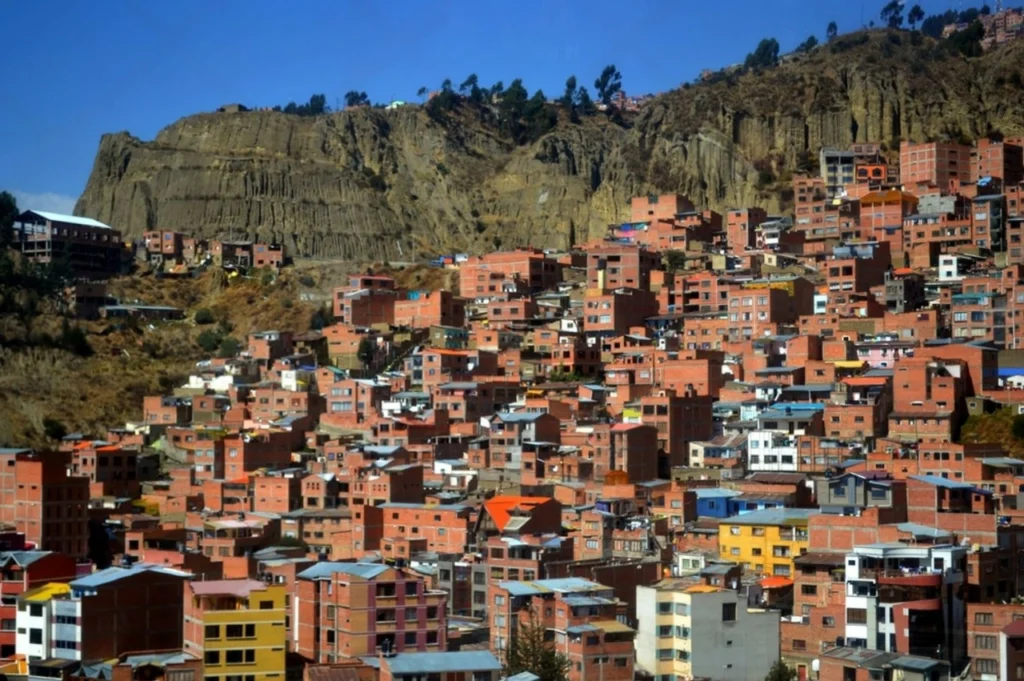
Aerial view of the city of La Paz, Bolivia
Conclusion
In the end, experiencing the authentic Salteñas of La Paz requires a perfect blend of curiosity, strategy, and respect for local traditions. You must wake up early, venture into bustling neighborhoods like Sopocachi and San Miguel, and seek out the traditional bakeries that prepare their food with passion. By learning the proper way to hold, bite, and sip this unique pastry, you elevate your experience from a simple snack to a masterclass in Bolivian culture.
Moreover, your culinary journey supports the local food economy and honors the generations of bakers who keep this beloved tradition alive. Take the time to talk to the vendors, try the spicy locoto salsa, and enjoy the breathtaking Andean scenery as you eat. By following this foodie guide, you guarantee yourself a mouthwatering adventure and a deeper connection to the magnificent city of La Paz.