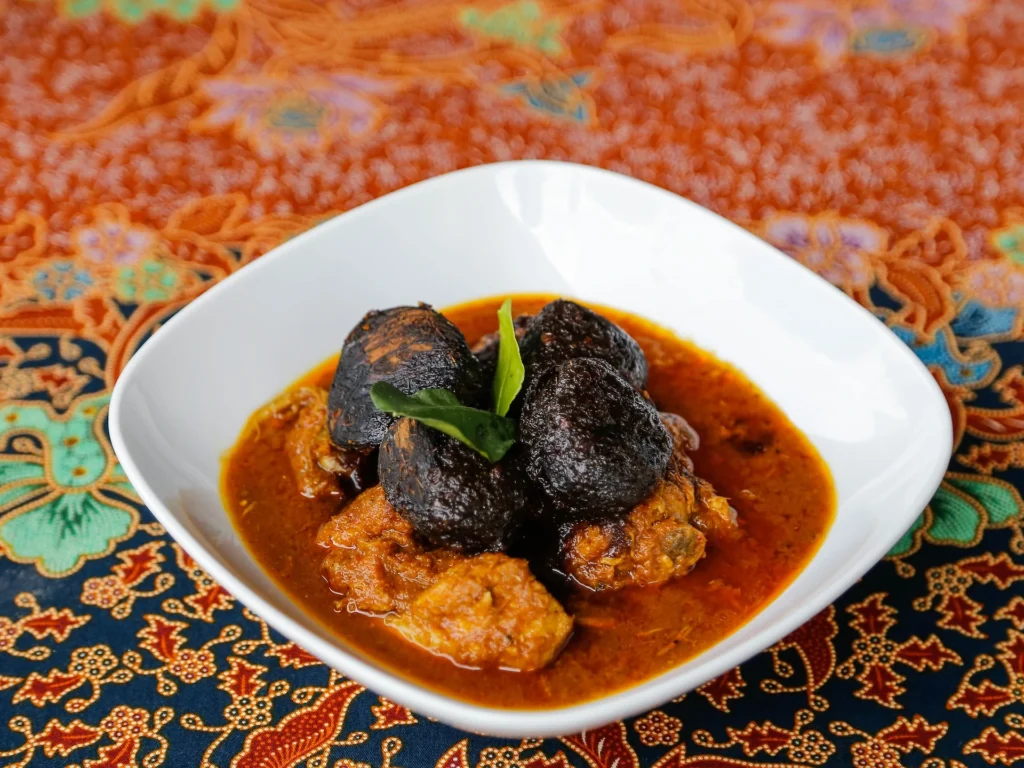
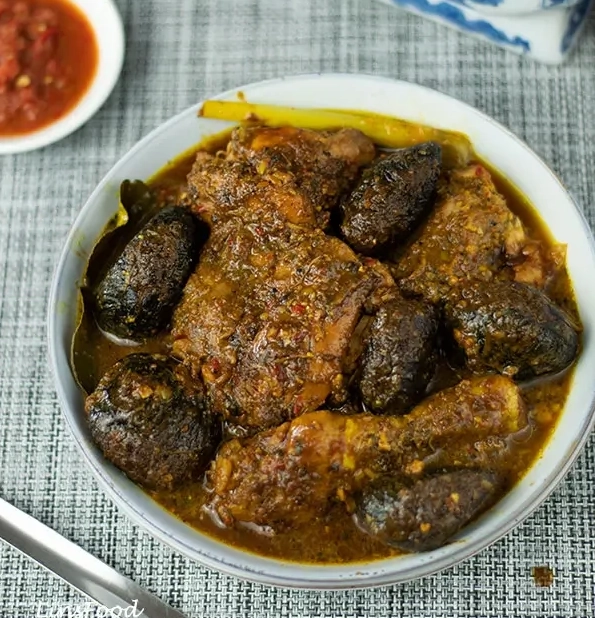
Ayam Buah Keluak close up
Thank you for reading this post, don't forget to subscribe!What is Ayam Buah Keluak?
- The Core Ingredient – The dish revolves around the seeds of the Pangium edule tree, native to the mangrove swamps of Southeast Asia.
- The Flavor Profile – Food critics often compare the taste of the nut’s dark filling to black truffles, dark chocolate, or fermented black beans.
- The Labor of Love – Preparing the dish takes several days, making it a rare and precious offering usually reserved for special occasions and family gatherings.
- The Perfect Pairing – Locals always serve this rich, heavy stew with a steaming plate of fragrant white jasmine rice to balance the bold flavors.
- The Cultural Importance – Serving this dish to guests shows great respect and hospitality, as it requires so much time and effort to prepare safely and deliciously.
- The Secret Paste – Good cooks carefully extract the nut’s flesh, blend it with spices, and stuff it back into the shell before simmering.
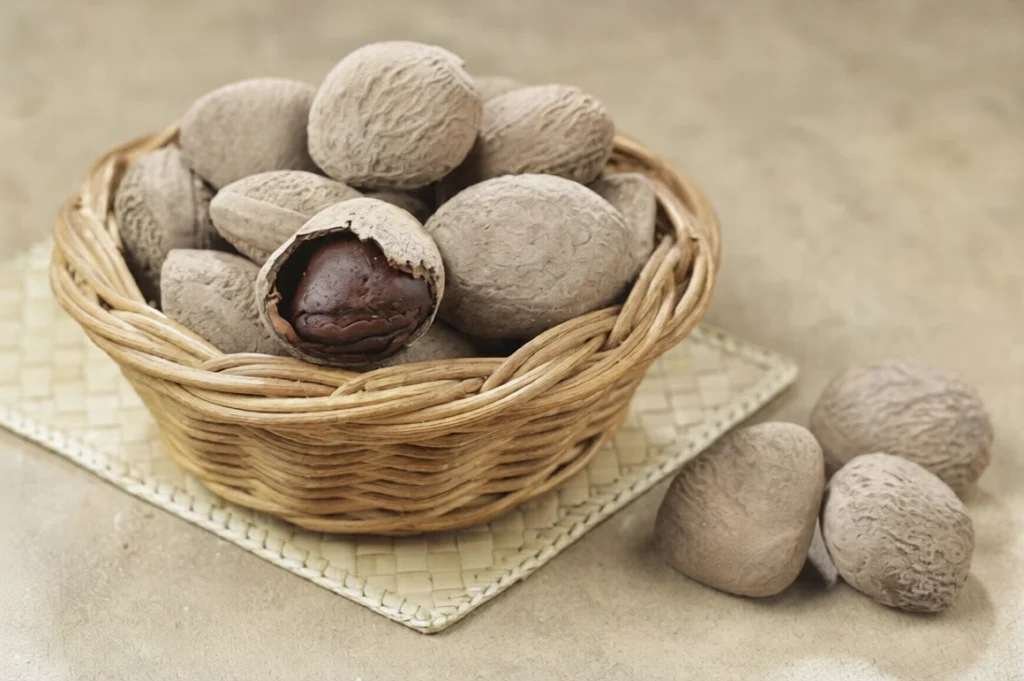
Kluwek also known as keluak, keluwak, or black nut - the seeds of the Pangium edule tree
The Fascinating Story of the Poisonous Nut
- Harvesting the Seeds 📌 Foragers collect the large fruits from the Pangium edule tree. They let the fruits rot slightly until the flesh falls away, revealing the hard-shelled seeds inside.
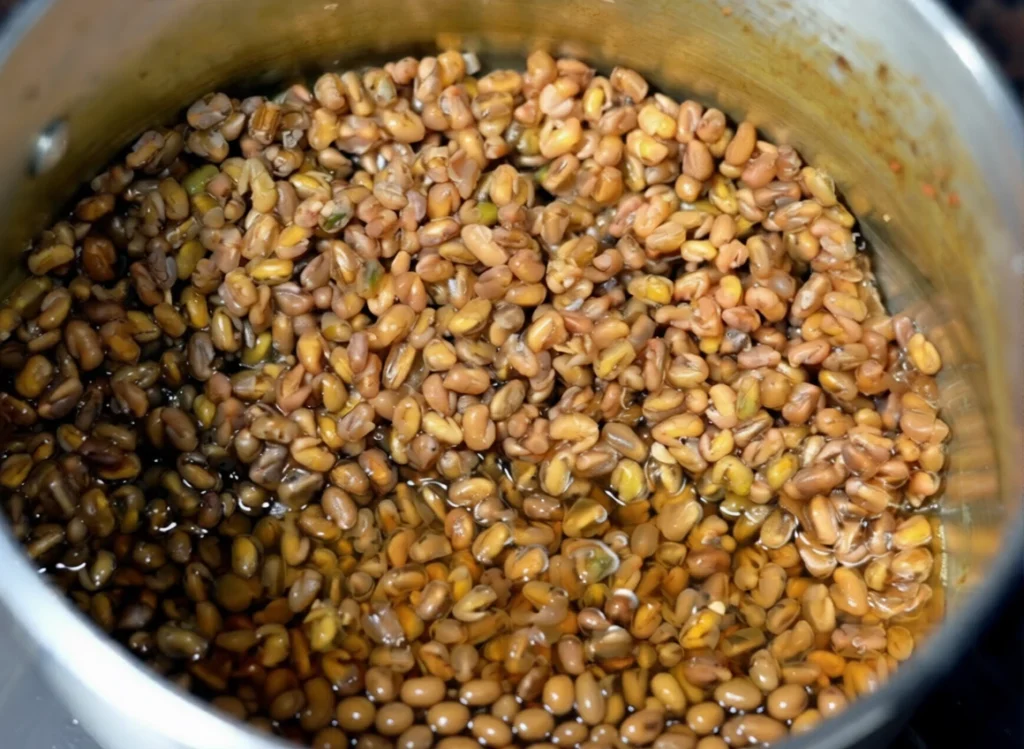
- Boiling Process 📌 Cooks carefully gather the raw seeds and boil them extensively. This initial step begins to break down the toxic compounds hidden within the shell.
- Burying in Volcanic Ash 📌 People bury the boiled nuts in ash, banana leaves, and earth for 40 days. This crucial fermentation period completely neutralizes the cyanide.
- The Transformation 📌 During those 40 days, the pale, dangerous inside of the nut turns into a dark, rich, and earthy paste that is completely safe to eat.
- Soaking Before Cooking📌 Even after the fermentation, cooks must soak the nuts in cold water for several days, scrubbing the shells clean before they can finally enter the kitchen.
- Extracting and Mixing 📌 Nyonya chefs crack the hard shells, scoop out the black paste, pound it with salt and sugar, and neatly stuff it back into the shell.
- Simmering the Stew 📌 Finally, the stuffed nuts join the chicken and the spice paste in a pot, simmering slowly so the flavors can marry beautifully.
- The Final Result 📌 The hours of slow braising allow the earthy oils of the nut to seep into the chicken, creating a thick, dark, and glossy gravy.
Understanding the Magic of the Rempah (Spice Paste)
- Fresh Lemongrass Cooks use generous amounts of fresh lemongrass to provide a bright, citrusy lift that cuts through the heavy, earthy notes of the dark nut.
- Galangal (Blue Ginger) Unlike regular ginger, galangal offers a sharp, pine-like flavor that forms the spicy backbone of the gravy.
- Fresh Turmeric Chefs pound fresh turmeric root to give the underlying gravy a beautiful golden hue and a subtle, warm bitterness.
- Candlenuts (Buah Keras) These waxy nuts act as a natural thickener. When ground into the paste, they give the stew a rich, creamy, and luxurious texture.
- Tamarind Juice (Asam Jawa) The secret to a perfect Nyonya stew is a touch of acidity. Tamarind juice adds a tangy sourness that balances the richness of the chicken.
- Toasted Shrimp Paste A small amount of toasted belacan provides deep umami. It brings an oceanic depth that enhances the savory qualities of the dish.
- Slow Sautéing (Pecah Minyak) Cooks slowly fry the blended spices in oil until the oil separates from the paste. This crucial step ensures the spices release their maximum aroma.
| Feature | Standard Chicken Curry | Ayam Buah Keluak |
|---|---|---|
| Primary Flavor | Spicy, creamy, and coconut-forward | Earthy, tangy, rich, and truffle-like |
| Thickening Agent | Coconut milk or heavy cream | Candlenuts and the black nut paste |
| Preparation Time | 1 to 2 hours | 5 to 7 days (including nut preparation) |
| Dining Experience | Simple spoon and fork eating | Interactive – extracting paste from shells |
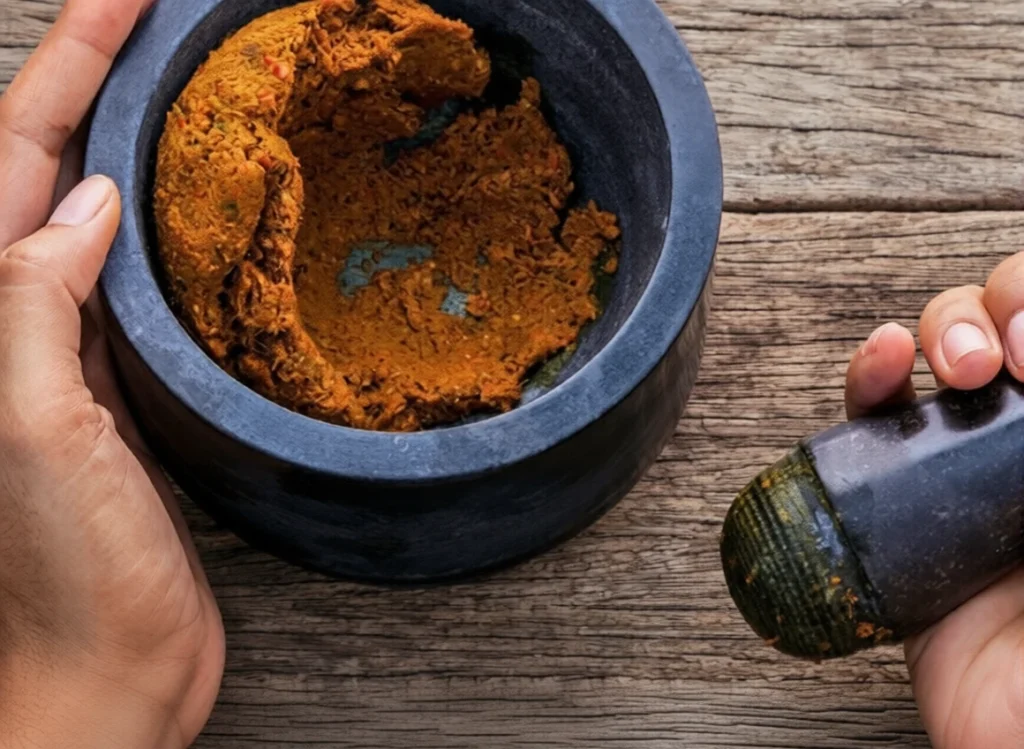
A close-up shot shows hands grinding spices in a stone mortar and pestle, preparing an aromatic paste for cooking
How to Eat It Like a True Local
Where to Find Authentic Ayam Buah Keluak in Singapore
If reading about this incredible dish sparks an appetite, travelers need to know exactly where to go. Because of the intense labor required, tourists rarely find this stew in standard street food stalls. Instead, they must seek out dedicated Peranakan heritage restaurants. Singapore serves as one of the best global hubs to experience this deeply traditional cuisine.
- Joo Chiat and Katong Neighborhoods 👈 This historic district in eastern Singapore is the vibrant heart of Peranakan culture. Walking down the colorful streets, visitors will find family-run Nyonya restaurants that have guarded their secret recipes for generations.
- Dempsey Hill 👈 Singapore boasts a brilliant and upscale Peranakan dining scene here. From Michelin-starred Nyonya establishments to elegant eateries, Dempsey Hill offers incredibly refined, world-class versions of the black nut stew.
- Chinatown Heritage Areas 👈 While primarily Chinese, several borders of Chinatown house excellent heritage restaurants that specialize in early immigrant fusion foods, including rich, dark Ayam Buah Keluak.
- Peranakan Cooking Classes 👈 For the ultimate traveler experience, visitors often book a Nyonya cooking class. Local aunties teach tourists how to pound the rempah, clean the nuts, and slow-cook the chicken. It creates an unforgettable travel memory.
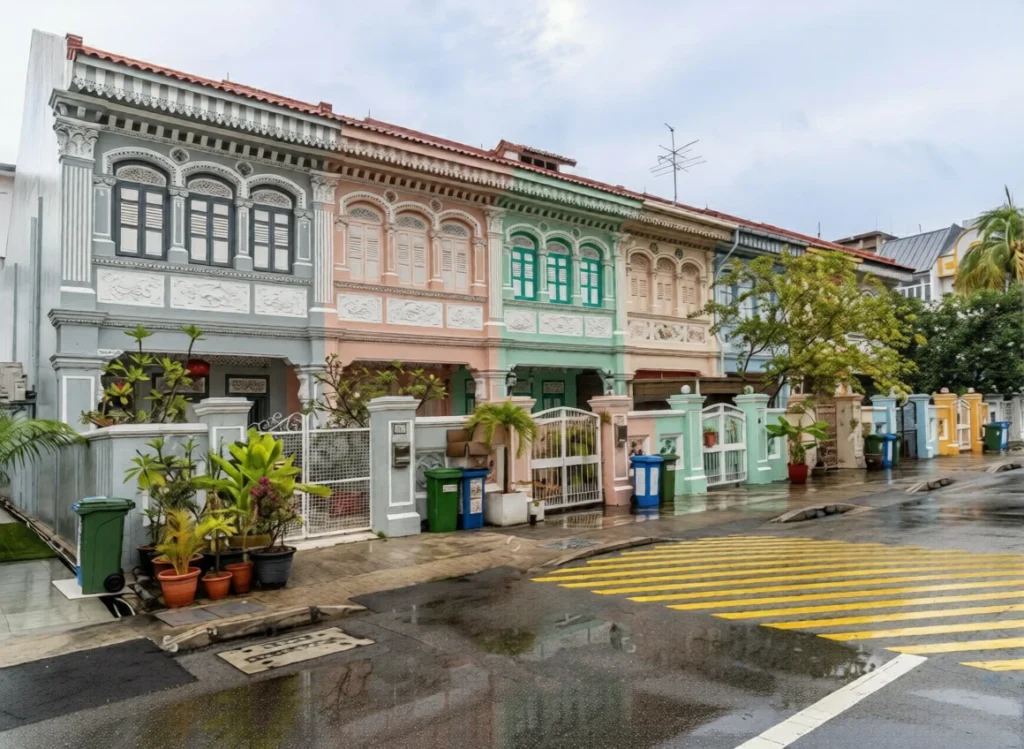
Joo Chiat Road in eastern Singapore is a vibrant heritage district famous for its colorful pre-war Peranakan shophouses
The Cultural Significance of Peranakan Heritage
To eat Ayam Buah Keluak is to take a bite out of history. The Peranakan culture represents a beautiful story of adaptation, blending, and harmony. Hundreds of years ago, when early Chinese traders arrived in the region, they brought woks, soy sauce, and noodles. As they married local women, their new wives incorporated local spices like lemongrass, galangal, and tamarind into their cooking.
The women of this culture, known as Nyonyas, took immense pride in their kitchens. In the old days, a young Nyonya’s readiness for marriage was often judged by the sound of her pounding spices in the mortar. If the rhythm was steady, strong, and consistent, it meant she would be a diligent and excellent cook.
Ayam Buah Keluak became the ultimate test of a Nyonya cook’s patience and dedication. Because the dish takes almost a week to prepare—from soaking the toxic nuts to slowly extracting and stuffing the paste—it became a symbol of love and celebration. Families traditionally served it during major festivals, weddings, and important family reunions.
- A Symbol of Respect Serving this dish to a guest means the host values them highly, given the immense physical labor required to safely prepare the meal.
- Preservation of History Every time a restaurant cooks this dish the traditional way, they keep a 500-year-old culinary tradition from fading into obscurity.
- Family Bonding Preparing the black nuts was historically a communal activity. Grandmothers, mothers, and daughters would sit together, cracking shells and mixing the paste, sharing stories as they worked.
- A Unique Identity The dish perfectly encapsulates the Peranakan identity – complex, deeply rooted in Southeast Asian soil, yet distinctly influenced by Chinese cooking methods.
- Global Recognition Today, international food critics and renowned chefs travel to Southeast Asia specifically to study this dish, elevating Nyonya cuisine onto the global culinary stage.
- Culinary Tourism Focus Tourism boards actively promote the dish to travelers, knowing that its fascinating backstory is a major draw for cultural explorers.
- Sustainable Cooking The traditional process teaches modern chefs the value of patience and using highly local, indigenous ingredients rather than imported goods.
In conclusion, Ayam Buah Keluak is much more than just a chicken stew. It is a testament to human ingenuity, a bridge between two ancient cultures, and a delicious reward for those patient enough to prepare it. When travelers make the effort to find and taste this “Black Gold,” they enrich their journey and gain a profound appreciation for the vibrant heritage of the Nyonya people. Visitors should never miss the chance to experience this unforgettable flavor on their trip to Singapore!
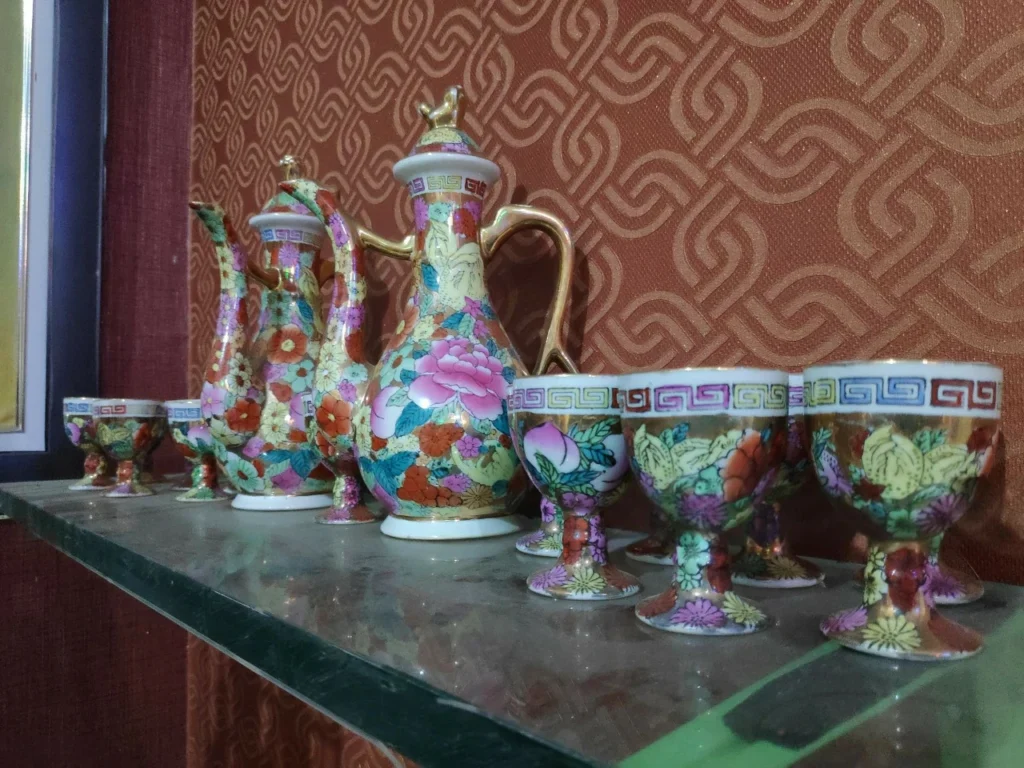
Traditional still life featuring an antique ceramic jug, a porcelain tea bowl, and a decorative clay vase
Why Tourists Should Add It to Their Travel Itinerary
Adding this culinary masterpiece to travel plans completely changes the way visitors view food. Many tourists stick to familiar dishes like fried noodles or simple clear soups. While those are delicious, they do not challenge the palate or tell a complex historical story. Seeking out this iconic Nyonya dish turns a standard vacation into an educational and sensory adventure.
When diners sit down in a beautifully decorated Peranakan heritage home—often adorned with colorful tiles, carved wooden furniture, and antique porcelain—and a steaming clay pot of this dark, aromatic stew arrives at the table, they engage all their senses. They smell the fragrant citrus of the lemongrass, they see the striking contrast of the black nut shells against the golden gravy, and they taste a flavor profile completely unique to this specific part of the world.
Furthermore, sharing the experience of eating a formerly poisonous nut that tastes like dark chocolate and truffles makes for an incredible travel story. It showcases a traveler’s willingness to dive deep into local traditions and step outside the usual tourist comfort zone.
Final Reminder – Tourists should always ensure they eat Ayam Buah Keluak at a reputable, established Nyonya restaurant. Proper preparation of the nut is essential for safety and flavor. Travelers should let expert chefs guide their culinary journey, and simply sit back, relax, and enjoy the remarkable taste of Southeast Asia’s culinary black gold.