Culinary tourists planning a journey to discover authentic regional dishes can easily find the most convenient travel routes. Travelers can compare and book optimal flights to Eastern Europe’s top culinary destinations, ensuring a smooth and comfortable start to their gastronomic adventure.
Search and Book Flights to Eastern Europe Here
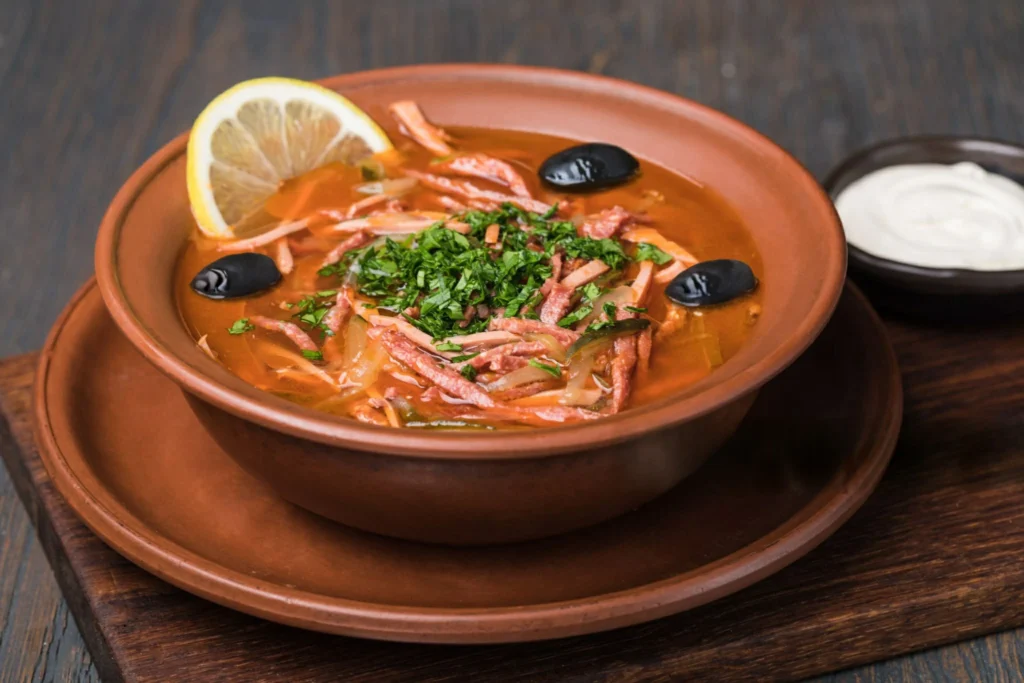
Meat Solyanka soup
What Exactly is Solyanka?
The Fascinating History Behind the Dish
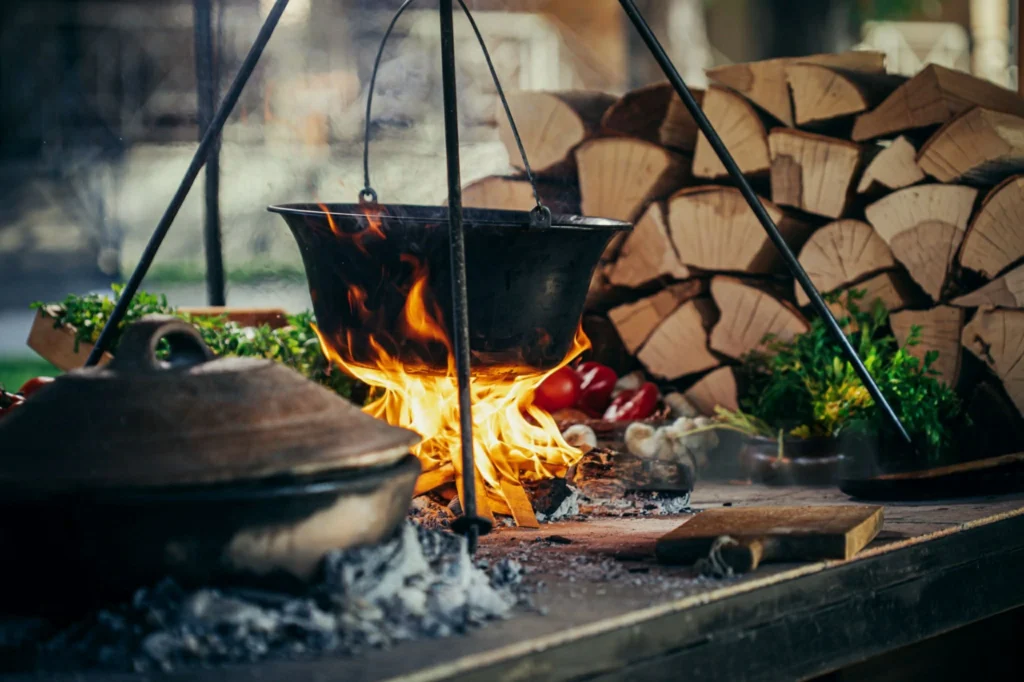
Rustic cooking over open fire
The Key Ingredients That Create the Magic
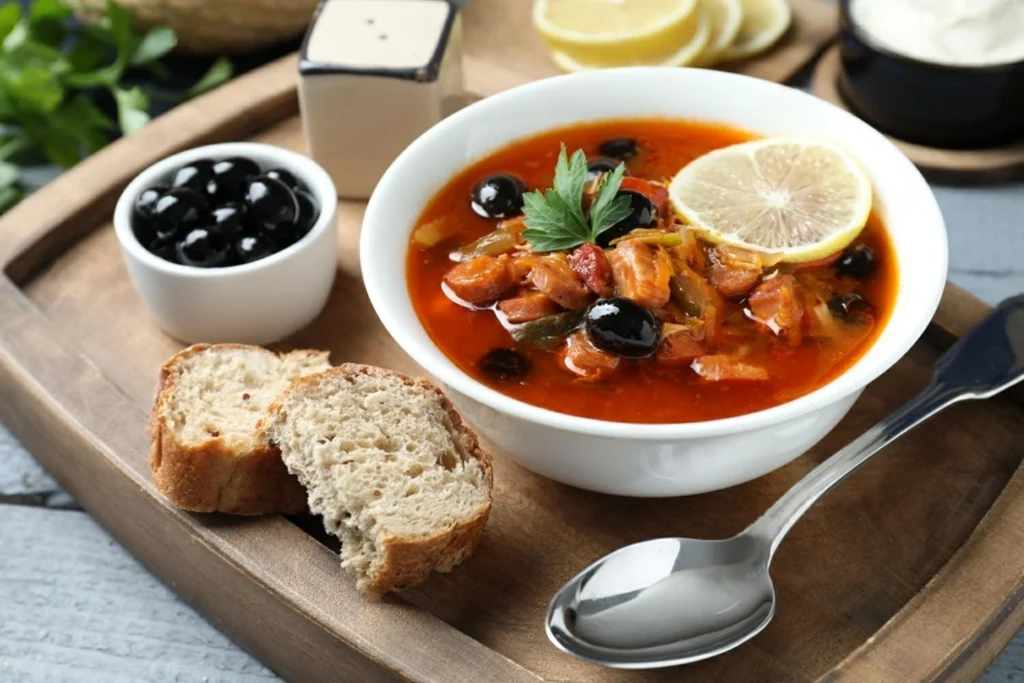
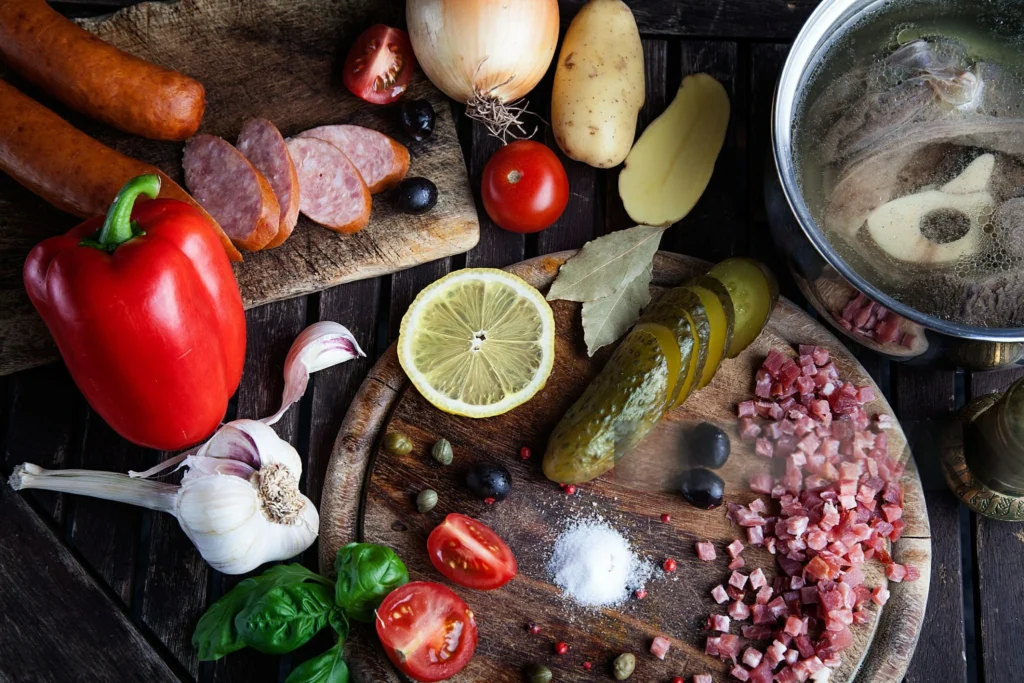
- Smoked and Cured Meats 📌 The foundation features a rich variety of proteins. Cooks use a mix of smoked beef, cured chicken sausages, and roasted turkey to give the soup a deep, smoky aroma and a hearty texture.
- Pickled Cucumbers 📌 This is the secret ingredient. Authentic recipes use traditional barrel-fermented pickles, which add a sharp, natural tanginess that defines the core flavor.
- Pickle Brine (Rassol) 📌 Chefs do not just use the pickles; they pour some of the pickle juice directly into the broth. This enhances the salty and sour notes wonderfully.
- Olives and Capers 📌 These Mediterranean additions might seem unusual for Eastern Europe, but they bring a beautiful burst of saltiness that complements the smoked meats perfectly.
- Cabbage and Onions 📌 Slowly caramelized onions and tender shredded cabbage add a subtle, natural sweetness that balances out the sharp, sour flavors of the brine.
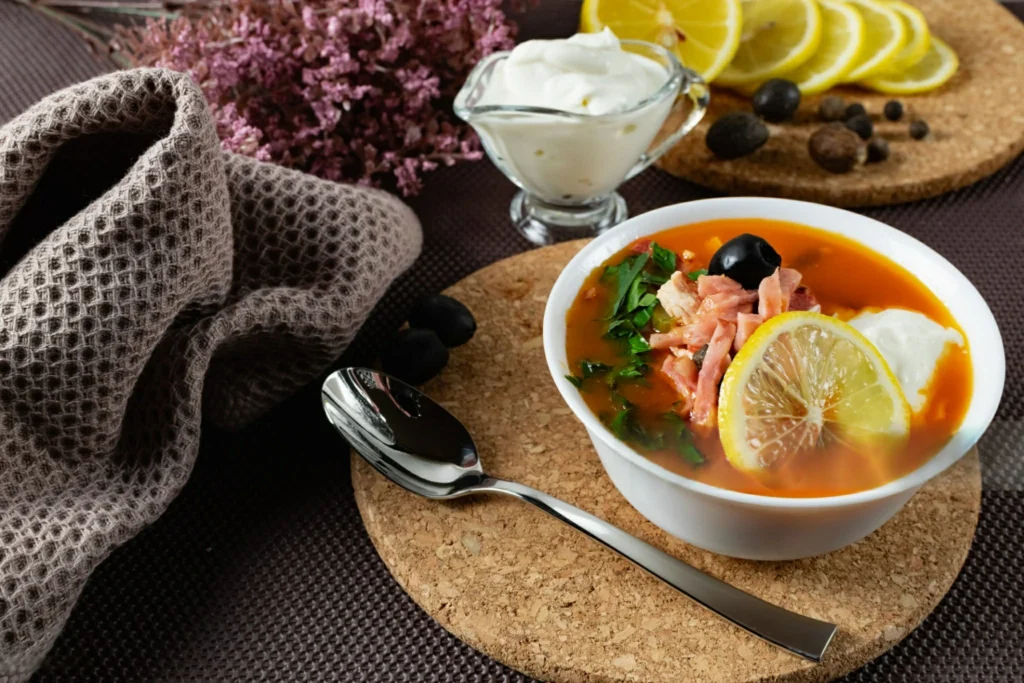
- Fresh Lemon 📌 A slice of fresh lemon is always served inside the bowl. The citrus oils release into the hot broth, adding a bright, refreshing aroma to the heavy soup.
- Thick Sour Cream (Smetana) 📌 Locals never eat this dish without a spoonful of high-fat sour cream. It cools the soup down slightly and binds all the complex flavors together into a smooth finish.
- Fresh Herbs 📌 A generous handful of finely chopped fresh dill and parsley sprinkled over the top adds a vibrant pop of green and a fresh, earthy taste.
Exploring the Three Main Variations
| Variation Type | Main Ingredients | Target Audience |
|---|---|---|
| Meat Solyanka | Smoked beef brisket, cured chicken, turkey sausages, rich beef bone broth. | Meat lovers and tourists needing a massive energy boost after a long day of sightseeing. |
| Fish Solyanka | Fresh salmon, sturgeon, white fish, fish broth, capers, and extra lemon. | Travelers visiting coastal cities or those who prefer a slightly lighter, elegant flavor. |
| Mushroom Solyanka | Wild forest mushrooms, dried porcini mushrooms, vegetable broth, extra cabbage. | Vegetarians, plant-based eaters, and anyone who loves deep, earthy umami flavors. |
Food enthusiasts seeking the perfect base for their culinary adventures can easily find top-rated accommodations located directly next to historic food markets and renowned local restaurants. Visitors can secure comfortable rooms in Eastern Europe’s finest culinary capitals, ensuring incredible local meals are always just a short walk away.
Browse and Book Top-Rated Accommodations in Eastern Europe
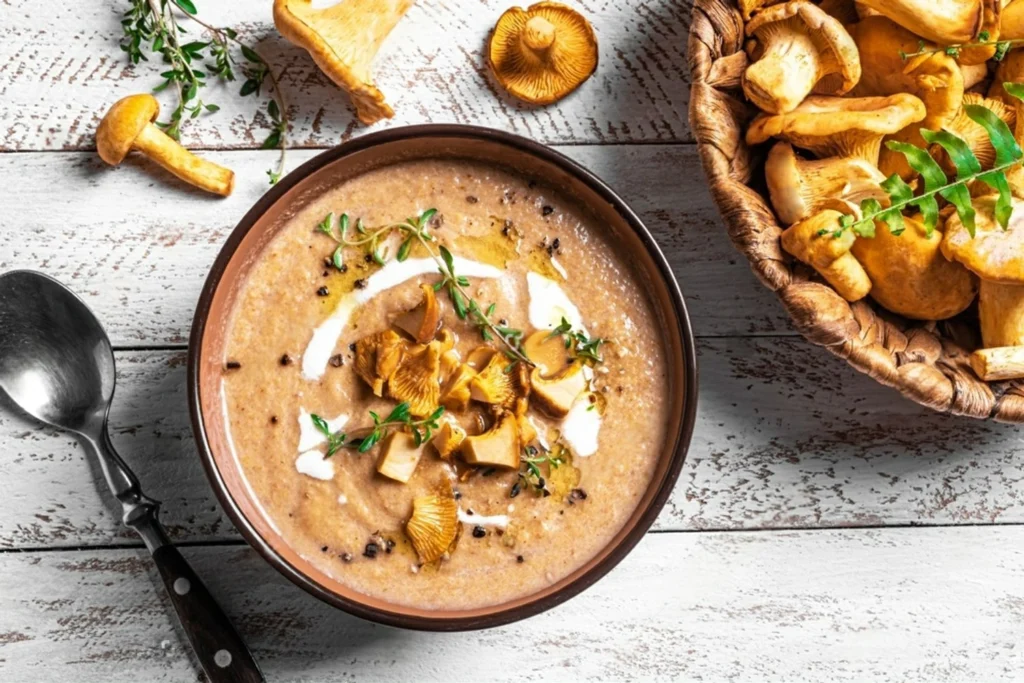
Chanterelle mushroom soup with thyme and fresh mushrooms, top view. Bowl of autumn seasonal cream soup with forest chanterelles
Solyanka vs. Borscht – A Traveler’s Comparison
- The Flavor Profile Borscht has an earthy, slightly sweet flavor due to the root vegetables and beets. Solyanka, on the other hand, is bold, sharp, salty, and sour. It is a much more intense sensory experience.
- The Meat Ratio While Borscht usually contains small pieces of stewed beef, Solyanka is packed with a massive variety of different smoked and cured meats. It feels more like a heavy stew than a traditional liquid soup.
- The Broth Color Borscht is famous for its vibrant ruby-red color. Solyanka has a warm, rusty brown or orange hue, depending on the tomato paste and smoked spices used in the base.
- The Preparation Time Solyanka takes significantly longer to prepare. Chefs must carefully balance the pickled ingredients and simmer the smoked meats for hours to achieve the right depth of flavor.
- The Historic Status Borscht is traditionally an everyday family meal. Historically, Solyanka was considered a premium dish served in fine establishments to important guests because of the expensive imported olives and capers it required.
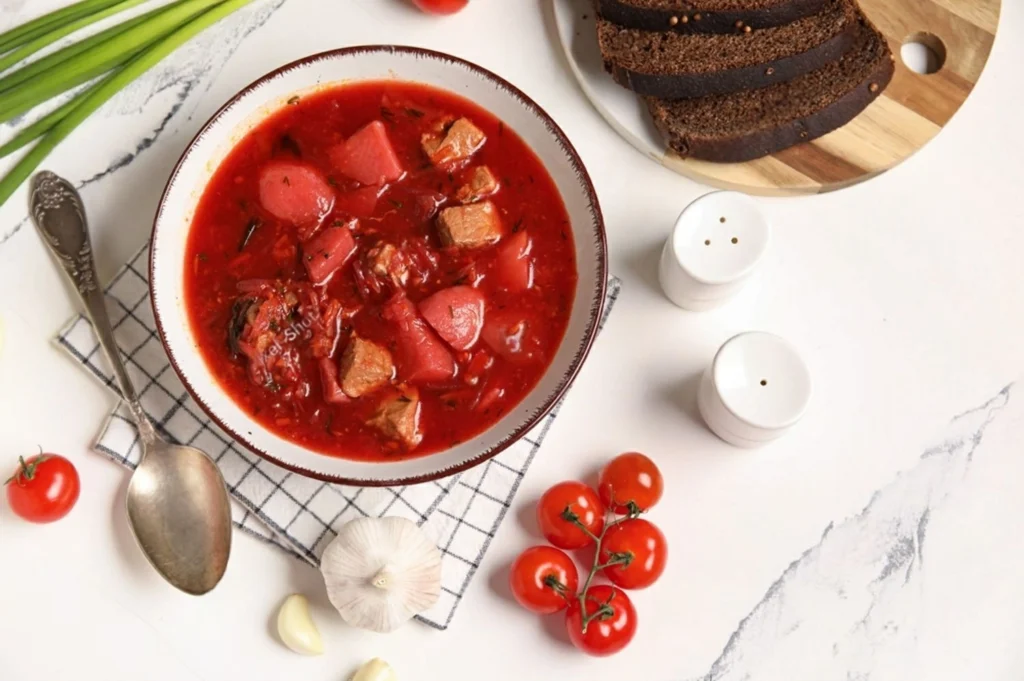
Bowl of tasty Ukrainian borscht with green onion, garlic and cherry tomatoes on white background
How to Order and Eat Like a Local
Part of the joy of food tourism is learning local dining etiquette. When travelers finally sit down in a cozy, wood-paneled Eastern European dining room, they want to enjoy their meal exactly how the locals do. Following these simple strategies elevates the entire dining experience.
- Embrace the Sour Cream 👈 Diners should never skip the sour cream. It is essential. Stirring it deeply into the hot broth until the color lightens cuts the acidity and beautifully transforms the meal.
- Order Black Bread 👈 Tourists should always ask for a side of dense, dark rye bread. The bread in this region is spectacular, and dipping thick slices into the soup to soak up the flavorful broth is highly recommended.
- Squeeze the Lemon 👈 The bowl will arrive with a slice of lemon floating on top. Pressing the lemon against the side of the bowl with a spoon releases all the fresh juices before the first bite.
- Do Not Rush 👈 This is not fast food. This dish demands to be savored slowly. Diners take time to enjoy the different textures, from the crunch of the pickles to the tenderness of the slow-cooked beef.
- Ask for Garlic Pampushky 👈 If the restaurant offers them, adding a side of Pampushky is a brilliant choice. These soft, warm bread rolls coated in fresh garlic and oil are the ultimate companion to a hearty bowl of soup.
- Skip the Heavy Main Course 👈 Because this soup is so dense and rich with proteins, it often functions as a full main course. Visitors ordering it should consider pairing it with a simple salad rather than a heavy second dish.
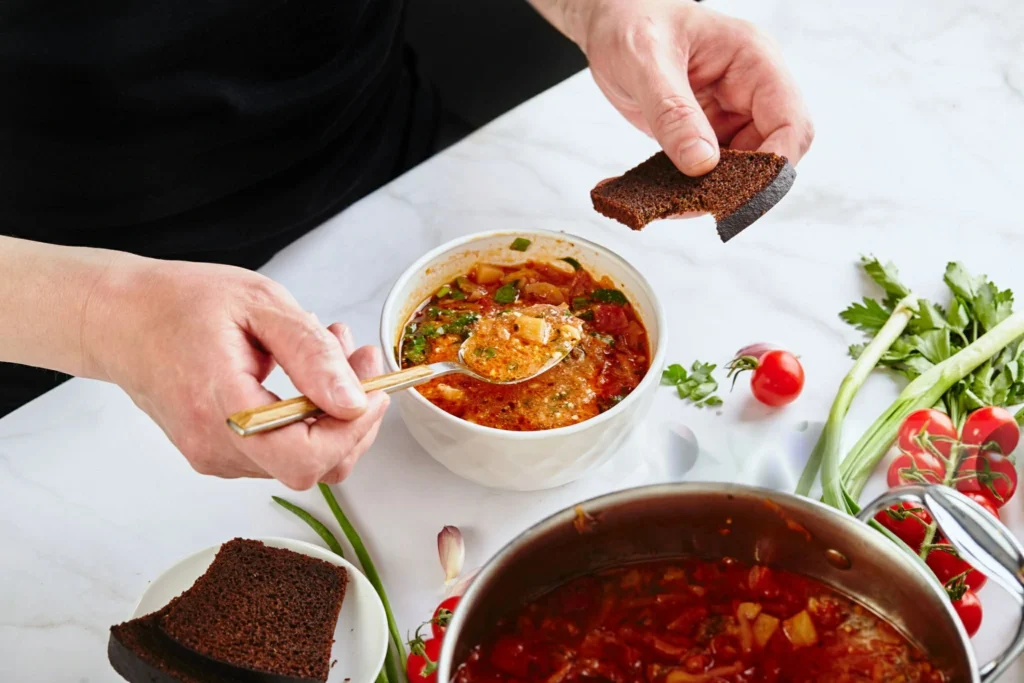
Where to Find the Best Bowls During Your Travels
- Traditional “Stolovaya” (Cafeterias) For a budget-friendly and highly authentic experience, visitors can step into a local Stolovaya. These self-service cafeterias feed working locals every day. The soup here is rustic, straightforward, and incredibly comforting.
- Specialty Authentic Restaurants Tourists should look for dining spots that feature traditional folk decor. These places take immense pride in national recipes. They use higher quality smoked beef and often serve the soup in beautiful, traditional ceramic clay pots to keep it boiling hot.
- Coastal Seafood Eateries If the journey goes near the Baltic Sea coast, travelers must seek out fish-focused establishments. This is where they will find the most spectacular, fresh Fish Solyanka, featuring local catches of the day and rich, buttery fish stock.
- Ask the Locals The best travel advice involves asking the people who live there. Hotel receptionists, guides, and friendly shop owners gladly point visitors away from tourist traps and toward hidden neighborhood gems.
- Avoid Generic Tourist Spots If a restaurant displays a menu in ten different languages with staff standing outside attempting to pull crowds in, the food might lack authenticity. The best culinary experiences happen in places filled with locals speaking the native language.
In summary, a culinary journey through Eastern Europe remains incomplete without exploring the local soup culture. Seeking out the best bowl takes travelers off the beaten path, leads them to wonderful local neighborhoods, and provides an unforgettable flavor memory.
Travelers interested in deep cultural immersion can maximize their vacation by booking guided local food tours. Cultural explorers and culinary tourists can easily discover the hidden secrets of Solyanka, visit historic food markets, and learn from knowledgeable local guides who share the fascinating stories behind Eastern European cuisine.
Discover Guided Food Tours and Culinary Activities in Eastern Europe

Khabarovsk, Russia - Entrance to an expensive restaurant decorated in oriental motives. Interior of an oriental restaurant
The Cultural Significance of Soup in Eastern Europe
To fully grasp why this dish is an absolute must-try, food tourists must understand the cultural importance of soup in Eastern Europe. In many Western countries, soup acts simply as a light starter or a quick meal during illness. In Eastern Europe, soup stands as a fundamental pillar of daily life and culinary tradition. It represents hospitality, warmth, and historical survival.
Historically, the freezing temperatures required foods rich in calories, easy to keep hot over a steady fire, and capable of utilizing preserved ingredients. The heavy reliance on pickled vegetables, cured meats, and dried herbs in Solyanka directly reflects this history. Before modern refrigeration, locals preserved their summer harvest through fermentation and smoking. This soup provided an ingenious way to combine all those preserved foods into one delicious, nutrient-dense meal.
Today, sharing a bowl of hot soup with family or guests remains a deeply ingrained cultural ritual. When tourists order this dish, they partake in a tradition that has kept generations warm and nourished. They taste the history, the agricultural practices, and the resilient spirit of the local people.
Food is the universal language of travel. When visitors show enthusiasm for a complex, historical dish like this, locals immediately recognize their genuine interest in the culture. It proves to be one of the easiest ways to make friends and spark wonderful conversations during any trip abroad.
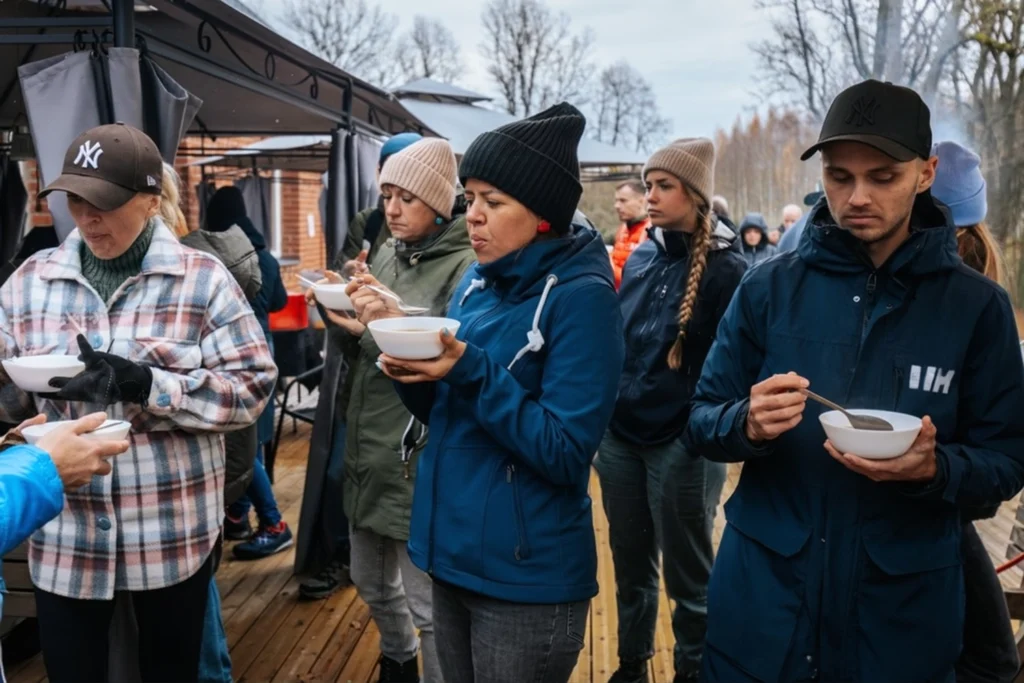
A group of people dressed in warm clothing enjoy hot soup from bowls at an outdoor event on a chilly day, standing under canopies and chatting
Bringing the Flavor Home – A Tourist’s Guide
- Explore the historic local farmer’s markets.
- Buy high-quality dried wild forest mushrooms.
- Purchase authentic smoked spice blends and herbs.
- Look for locally jarred capers and traditional barrel pickles.
- Bring back a beautiful, traditional ceramic serving bowl.
- Politely ask a friendly local chef for their basic recipe steps.
- Find regional food and lifestyle magazines to take home.
Gastronomy lovers and passionate globetrotters who want daily updates on global travel tips, culinary secrets, and destination guides can join a dedicated online community. Travelers receive inspiration directly to their devices, making it easier than ever to plan the next unforgettable food-focused journey.
Join the Culinary Travelers Telegram Community for Daily Travel Updates
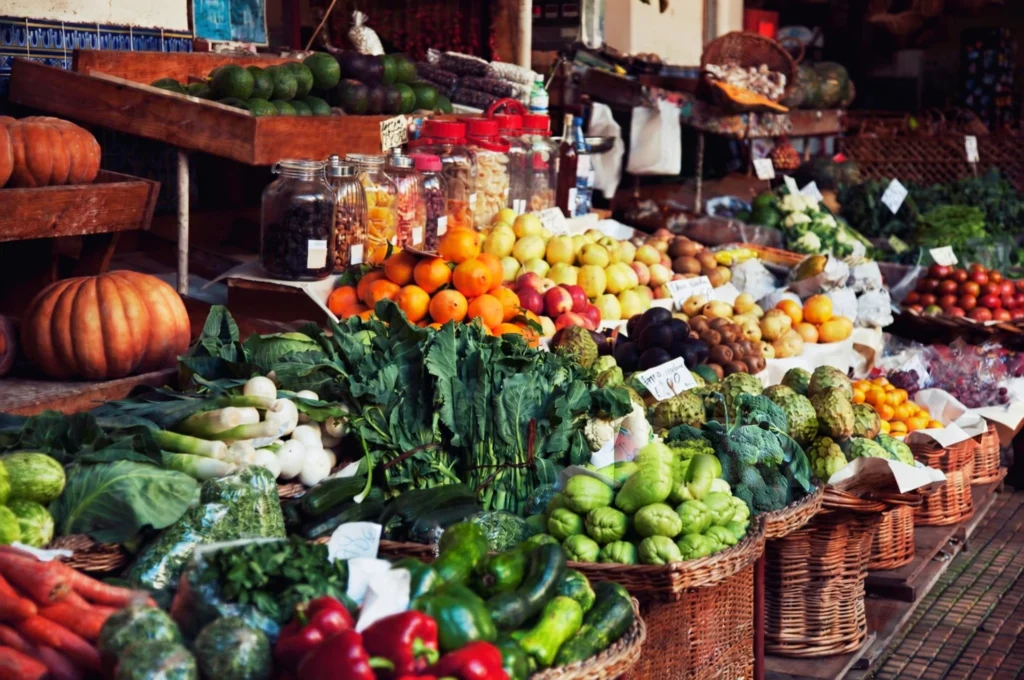
Fruits and vegetables at the farmers market