Creating beautiful, functional items from simple earth remains an ancient human tradition that spans the globe. However, in the heart of the Sultanate of Oman lies a remarkably unique place where this tradition still breathes with vibrant life every single day. Bahla Pottery represents much more than just a local craft or a passing tourist attraction. It serves as a living, breathing connection to a deeply rooted historical past. If you truly want to understand the spirit of Omani craftsmanship, you must look closely at the hands of the dedicated potters who proudly call this ancient village their home. They mold, shape, and fire raw clay using complex methods that their ancestors perfected many centuries ago.
Thank you for reading this post, don't forget to subscribe!International travelers planning a journey to discover this famous destination can easily book flights to Muscat International Airport. Major global airlines offer convenient daily routes that help visitors start their Omani cultural adventure smoothly. Securing travel arrangements early allows culture enthusiasts to reach the historic interior region comfortably and begin exploring the magic of Bahla right away.
Artisans in Bahla produce high-quality, authentic ceramics that meet the daily practical needs of locals while simultaneously capturing the hearts of global visitors. They create highly useful and visually stunning items, displaying incredible physical skill with every rapid spin of the potter’s wheel. Furthermore, preserving these traditional techniques ensures that the modern world does not lose this vital cultural heritage. This unwavering dedication helps increase cultural tourism, supports local businesses, and provides a sustainable, honest income for the hardworking artisan families living in the village.
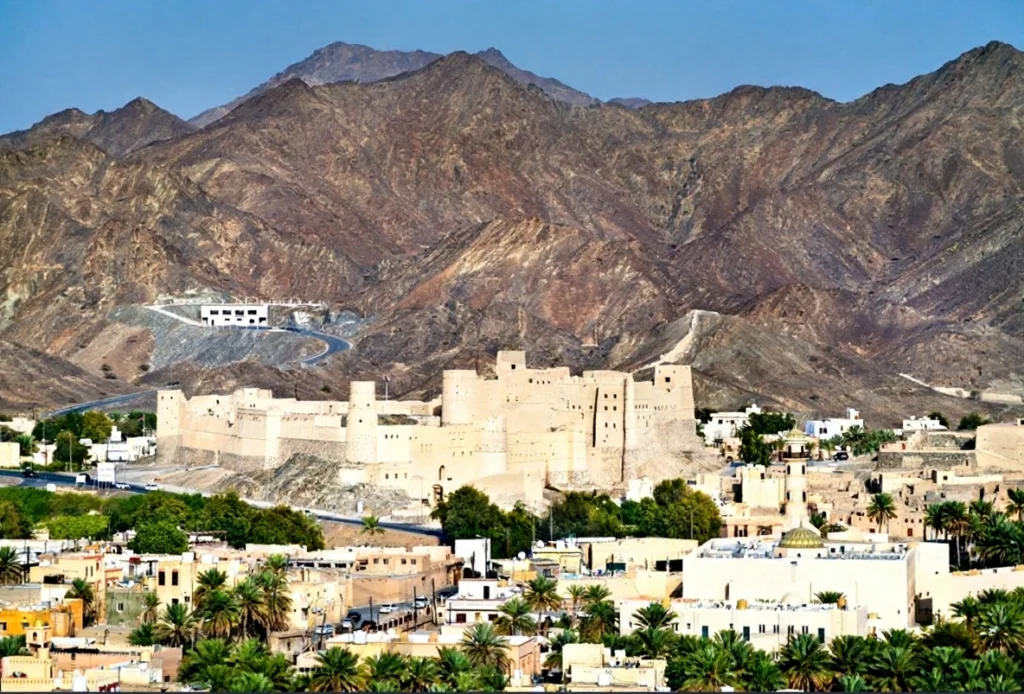
– Historic Bahla Fort surrounded by arid mountains, date palm trees, and the traditional town of Bahla in Oman, the Middle East –
A Living Cultural Heritage
Begin your travel journey by exploring the winding, mud-brick streets of the historic village. The earthy smell of wet clay and wood smoke immediately welcomes you to the area. When you explore this magical desert oasis, you quickly realize that Bahla Pottery functions as the true heartbeat of the entire community. The potters do not merely produce cheap souvenirs for quick sales; they create functional art that Omani families still use heavily in their daily lives. From holding fresh drinking water to safely burning fragrant frankincense, these ceramic pieces hold deep, enduring cultural meaning.
- Master potters pass their closely guarded secrets down from father to son, ensuring that every new generation thoroughly understands the delicate balance of earth, water, and intense fire.
- Local families source the special raw clay directly from the nearby wadis (dry riverbeds), maintaining a pure, unbroken, and natural connection to the beautiful Omani landscape.
- Artisans build strong community bonds by working closely together in shared workshops, where older masters patiently teach young apprentices the proper hand movements and techniques.
- The village proudly integrates its ancient craft with local festivals and public markets, allowing interested visitors to watch live demonstrations and learn the rich history behind the art.
- Creators continually adapt their functional designs to modern household tastes while strictly maintaining the authentic geometric patterns and earthy, natural colors of the surrounding region.
- Community leaders heavily invest time and financial effort into restoring old wood-fired kilns, keeping the original firing process alive despite the easy convenience of modern electric kilns.
In short, anyone passionate about art must experience this vibrant village firsthand to truly appreciate the extreme dedication required to master this craft. The continuous evolution and careful preservation of these physical skills help the local community thrive and survive in a fast-paced, highly modernized world.
– Historic Bahla Fort surrounded by arid mountains, date palm trees, and the traditional town of Bahla in Oman, the Middle East. –
Traditional Techniques Passed Down Through Generations
The precise strategies and physical methods behind Bahla Pottery form the core foundation of its enduring global success. These ancient techniques define the ultimate quality, durability, and identity of every final product. The potters treat every single step as a sacred duty. Here are the essential steps and traditions that help the artisans achieve greatness and perfection in their daily craft.
- Sourcing the Raw Clay Before any shaping begins, artisans must collect the perfect raw clay. They travel to specific dry riverbeds after heavy seasonal rains to gather rich, mineral-heavy soil. This careful selection process ensures the final pots remain exceptionally strong and durable for decades.
- Purifying and Mixing Workers place the raw dirt into large, outdoor settling pits. They add fresh water and let the muddy mixture sit undisturbed for several days. This vital process naturally separates heavy stones and organic impurities, leaving behind a smooth, highly workable material.
- Treading the Clay To completely remove hidden air bubbles and improve the overall texture, artisans traditionally tread heavily on the wet clay with their bare feet. This physical, rhythmic process requires great muscular strength, stamina, and incredible patience.
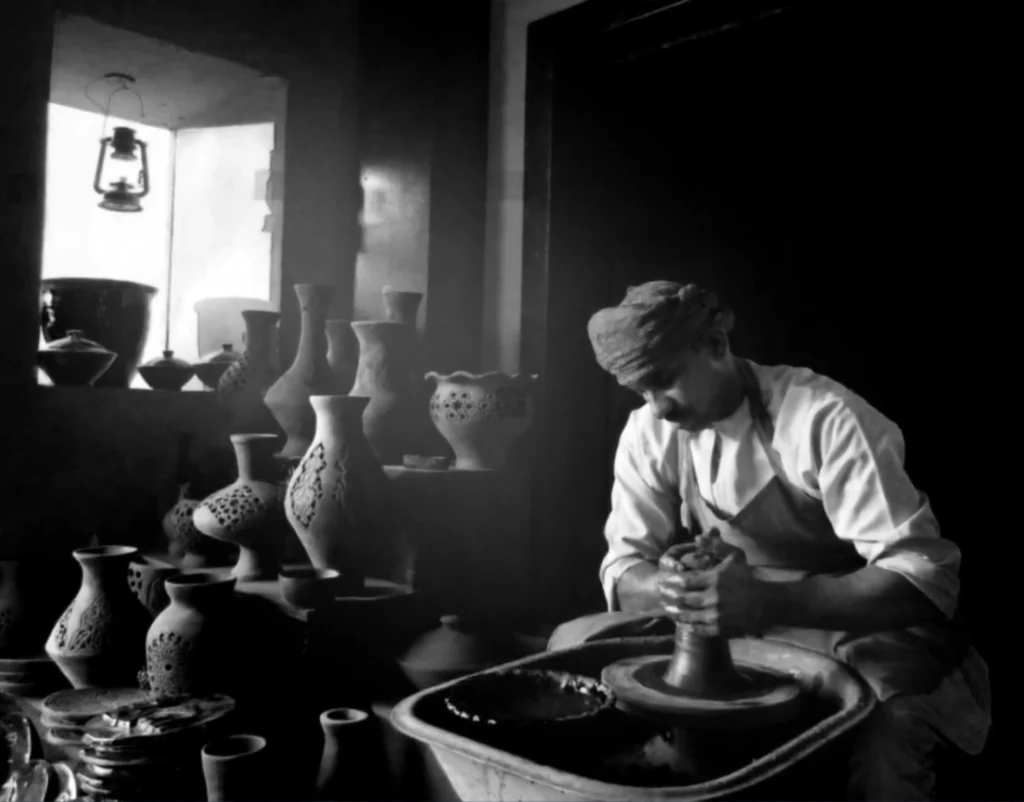
- Throwing on the Wheel The potter places a large lump of prepared clay onto a traditional kick-wheel. Using swift, precise hand movements, they pull the wet clay upward, forming elegant, symmetrical vessels. The rotational speed and finger pressure must remain perfectly consistent.
- Natural Sun Drying After finishing the shaping process, the artisan carefully moves the wet pieces to a shaded outdoor courtyard. The pots dry very slowly in the warm, dry Omani air, which actively prevents sudden cracks or hidden weaknesses in the delicate ceramic structure.
- Adding Decorative Etchings While the exterior clay remains slightly soft, creators use small wooden tools or smooth stones to carve traditional geometric patterns. These simple, elegant lines and tiny dots usually represent palm trees, water channels, and bright desert stars.
- Firing in the Kiln Potters carefully stack the fully dried pieces inside a massive, dome-shaped stone kiln. They burn dried palm fronds and local desert wood to reach extreme internal temperatures. The intense firing process can easily take up to three full days to complete safely.
- Cooling and Inspection Once the fire completely burns out, the stone kiln must cool down slowly before anyone opens the heavy door. The master potter then physically inspects every single piece, tapping them gently to listen for a clear, high-pitched ring that strongly indicates a perfect, flawless bake.
By strictly following these highly disciplined, traditional steps, the potters ensure their impressive work remains completely authentic. This strict, unwavering adherence to tradition naturally increases the financial value of their ceramics and significantly strengthens their cultural impact on the world stage.
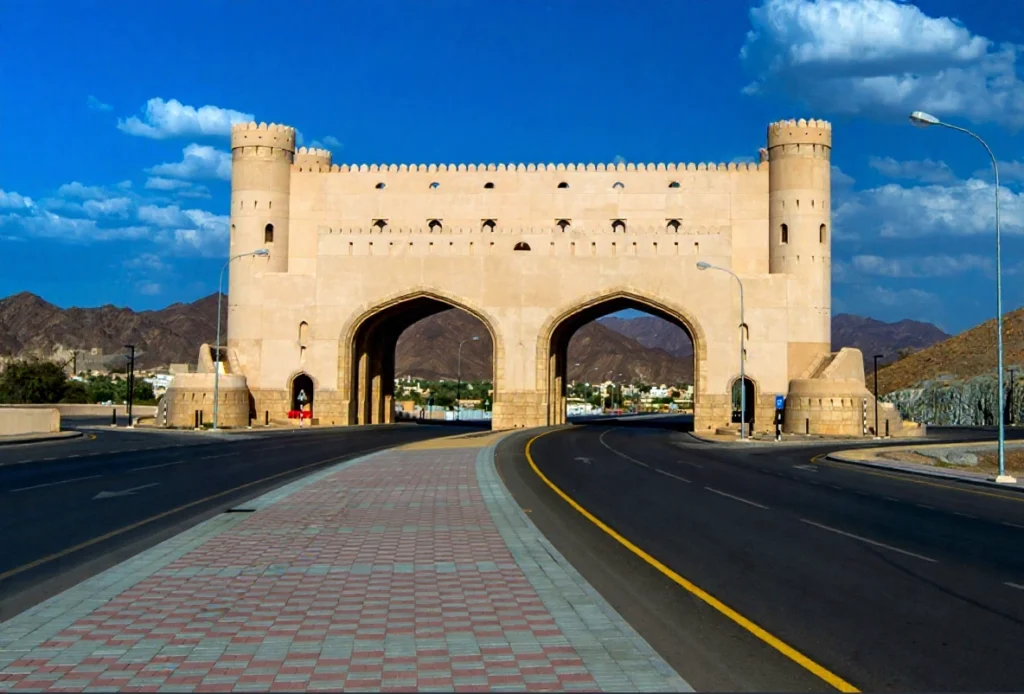
– Gateway of Bahla, Sultanate of oman –
The Artisan Workshops of Bahla
Paying close attention to the workshop environment proves absolutely crucial for understanding the hidden magic behind Bahla Pottery. The physical space where artisans work daily greatly influences the overall quality of the final ceramic pieces. These traditional mud-brick rooms provide cool interior temperatures and beautiful, natural lighting that helps the potters see every detail. Here are some key, fascinating aspects of these historic workspaces.
- Natural Climate Control Artisans actively construct their large workshops using thick, natural mud-brick walls. This traditional Omani architecture keeps the interior comfortably cool during the harsh, burning summer months, preventing the wet clay from drying out far too quickly.
- The Traditional Kick Wheel Many elder masters still heavily prefer the manual kick wheel over modern electric versions. The artisan uses their bare foot to manually control the spinning speed, allowing for a deep, physical connection to the natural rhythm of the heavy work.
- Generational Layout Families carefully organize the physical workshops so that the highly experienced elders sit directly at the center. Young apprentices work around the outer edges, constantly observing the masters and learning complex skills through daily visual repetition.
- Dedicated Drying Zones Workshops feature specific, protected courtyards designed solely for safe air-drying. The high walls block direct, harsh sunlight while allowing soft, warm breezes to circulate evenly around the newly formed, delicate pots.
- Communal Tools Potters openly share specialized wooden carving sticks, smooth river stones for burnishing, and sharp cutting wires. Sharing these simple tools fosters a strong, unbreakable sense of unity and friendly cooperation among the village workers.
- Proximity to the Kiln Builders smartly place the massive firing kilns just outside the main shaping rooms. This close, convenient layout greatly reduces the terrible risk of dropping delicate, unfired pieces during the final transport process.
- A Space for Storytelling The busy workshop naturally serves as a vibrant social hub. While busy hands shape the wet clay, friendly voices share old stories, local community news, and traditional poetic verses, keeping the rich oral history of the village completely alive and well.
Tourists seeking a complete, relaxing cultural immersion will find excellent options nearby. Visitors can easily reserve traditional hotels and charming accommodations in Bahla to secure a peaceful resting place. Staying locally gives travelers the incredible advantage of waking up early to watch the village workshops come alive just as the sun rises over the mountains.
By continuously maintaining these dedicated and culturally rich workspaces, the families easily preserve their unique local identity. The workshop does not function just as a loud factory; it acts as a quiet classroom, a friendly gathering place, and a historical sanctuary that contributes heavily to the ongoing success of Bahla Pottery.
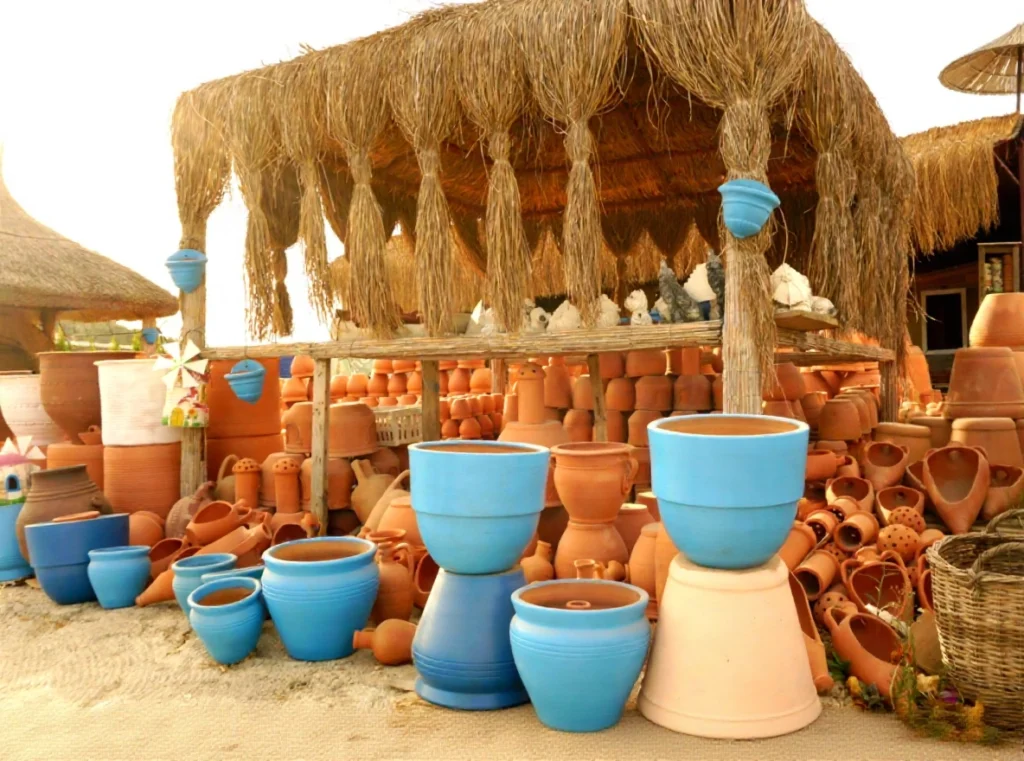
– Clay pots displayed on the roadside –
The Masterpieces – What Do They Make?
Understanding the specific items produced in the village gives you a much deeper appreciation of the difficult craft. Omani society has long relied on these specific vessels for basic survival and daily comfort in a harsh, unforgiving desert climate. Each individual piece serves a distinct, highly practical purpose while showcasing elegant, undeniable simplicity.
When you happily explore the vibrant local markets, you will immediately notice the beautiful, wide variety of shapes and sizes. The master potters design every single curve and strong handle with human utility in mind. For example, the porous, natural nature of the unglazed clay allows tiny amounts of water to safely seep through and quickly evaporate, naturally cooling the fresh drinking water stored safely inside without needing electricity.
Below is a helpful comparison of the most famous, traditional ceramic pieces you will easily find in the village. This informative table highlights their traditional Arabic names, their primary household purposes, and their unique design features.
Traditional Name | Primary Purpose | Unique Design Feature |
Al Jahla | Storing and naturally cooling fresh drinking water | Round, wide belly with a very narrow neck, deliberately left unglazed to allow natural evaporation and rapid cooling. |
Al Majmar | Safely burning frankincense and aromatic tree resins | Square or round base featuring elevated pillars on the top corners, often brightly painted or beautifully carved. |
Al Khars | Storing dates, grain, or massive amounts of household water | Extremely large and heavily built, featuring exceptionally thick walls and a wide top opening for easy daily access. |
Al Borma | Slow-cooking hearty stews and meats over an open wood fire | Made with a special heat-resistant clay mix, featuring a wide, flat bottom to distribute high heat evenly across the food. |
In short, you cannot fully understand rich Omani culture without recognizing the immense historical importance of these ceramic items. If you truly want to bring a valuable piece of authentic history into your own home, purchasing an original Jahla or a colorful Majmar directly from the skilled artisans is definitely the best way to do it.
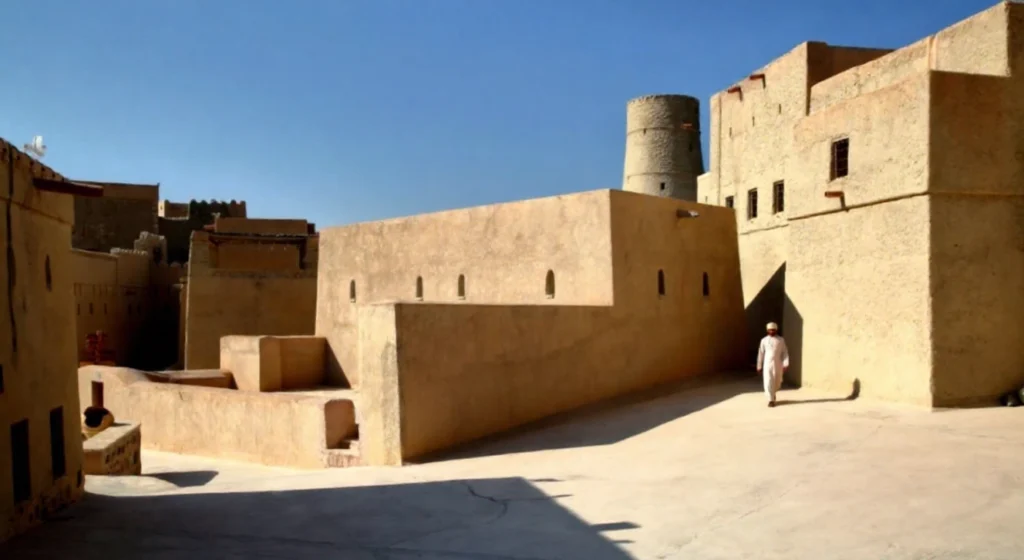
– BAHLA, AL DAKHILIYAH, OMAN - The impressive Bahla fort in Bahla, with its towers and ramparts –
The Unique Properties of Omani Clay
To truly grasp the lasting durability of Bahla Pottery, one must investigate the actual soil used to create it. The natural geography of the surrounding area provides an abundant supply of uniquely composed earth. The majestic mountains and deep river valleys of the interior region act as a natural, massive geological mixing bowl. Over millions of years, heavy rains have washed vital minerals down from the high peaks, depositing rich, heavy mud directly into the lower basins.
The experienced potters understand exactly where to dig to find the most resilient material. They completely avoid the loose, sandy topsoil and dig deep to reach the dense, red-brown earth that holds water perfectly. This specific clay possesses an incredibly high tolerance for extreme heat. When placed inside the roaring kiln, it does not shatter or warp easily like weaker, inferior clays often do. Instead, it hardens into a strong, rock-like consistency that can withstand the daily bumps and drops of a busy family household.
Moreover, the chemical composition of this local earth contributes directly to the beautiful, earthy colors of the finished pieces. Artisans rarely need to use artificial chemical dyes or bright modern paints to make their work stand out. The natural iron oxide present in the wadi soil gives the fired pots a stunning, warm terracotta glow. By relying solely on the generous gifts of the natural environment, the creators ensure their work remains entirely organic, eco-friendly, and perfectly tied to the visual landscape of the Sultanate.
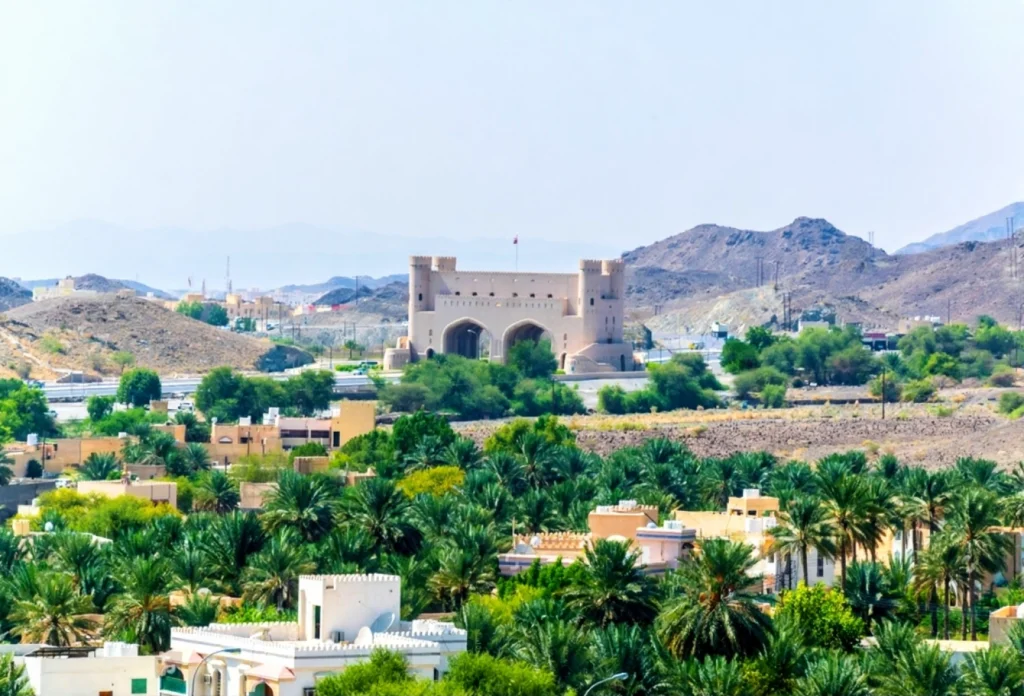
– Bahla Town at Bahla Fort in Ad Dakhiliyah, Oman –
Connecting with the Local Artisans
Interacting personally with the local artisans remains undoubtedly one of the most highly rewarding aspects of visiting the village. When you carefully build a friendly, respectful connection with the creators, you instantly gain access to incredible oral stories and hidden technical knowledge. The artisans take immense, well-deserved pride in their hard work and happily share their deep passion with respectful, curious visitors. Here are the very best strategies to easily connect with the local community.
- Show Genuine Curiosity Start the interaction by asking simple, polite questions about the specific types of clay they use. Potters love explaining the geological differences between riverbed clay and mountain soil. Your honest interest immediately opens the heavy door to deeper, more meaningful conversations.
- Ask for a Demonstration Politely request to watch them work directly on the spinning wheel. Most friendly artisans will gladly invite you to sit nearby and quietly watch the mesmerizing, rhythmic process of pulling a tall vessel from a flat lump of mud.
- Learn a Few Arabic Phrases Greeting the busy artisans with a warm “As-salamu alaykum” (Peace be upon you) and saying “Shukran” (Thank you) clearly shows deep respect for their local culture and immediately breaks the social ice.
- Purchase Directly from the Source Buy your authentic souvenirs directly from the active workshop rather than a distant middleman in the big city. Direct, on-site purchases ensure the hard-working artisan receives the full financial benefit, which actively helps support their family and maintain the workshop.
- Respect the Photography Rules Always ask for clear, verbal permission before taking close-up photographs of the artisans, especially the venerable older generation. A simple friendly nod and politely pointing to your camera usually earns a smiling, welcoming approval.
- Appreciate the Flaws Traditional, handmade pottery naturally features slight physical variations, meaning no two pieces ever look perfectly identical. Openly praise the unique, slight differences in the pieces, as these beautiful “flaws” act as the true, undeniable signature of authentic human craftsmanship.
- Participate in a Workshop Many progressive studios now offer short, fun introductory classes for visiting tourists. Sitting awkwardly at the wheel and getting your hands completely dirty provides the ultimate, perfect way to bond with the patient teachers and truly understand the immense difficulty of their work.
- Share Their Art with the World Take careful note of their specific workshop names and happily share your wonderful experience on your social media accounts or travel blogs. Positive word-of-mouth recommendations strongly help bring respectful, interested global travelers directly to their open doors.
Culture enthusiasts eager to dive deeper into local traditions can securely book guided tours and authentic artisan activities in Bahla. Specialized tour operators provide travelers with highly engaging day trips, live pottery demonstrations, and extensive historical market explorations. Reserving these activities guarantees a safe, educational, and unforgettable cultural exchange.
Briefly, connecting with the local artisans transforms a simple, standard shopping trip into a profound, memorable cultural exchange. Through these friendly, honest interactions, you actively help validate their hard physical work and strongly encourage them to continue practicing their ancient craft. Fully embrace the rare opportunity to sit, listen, and learn directly from the celebrated masters of Bahla Pottery.
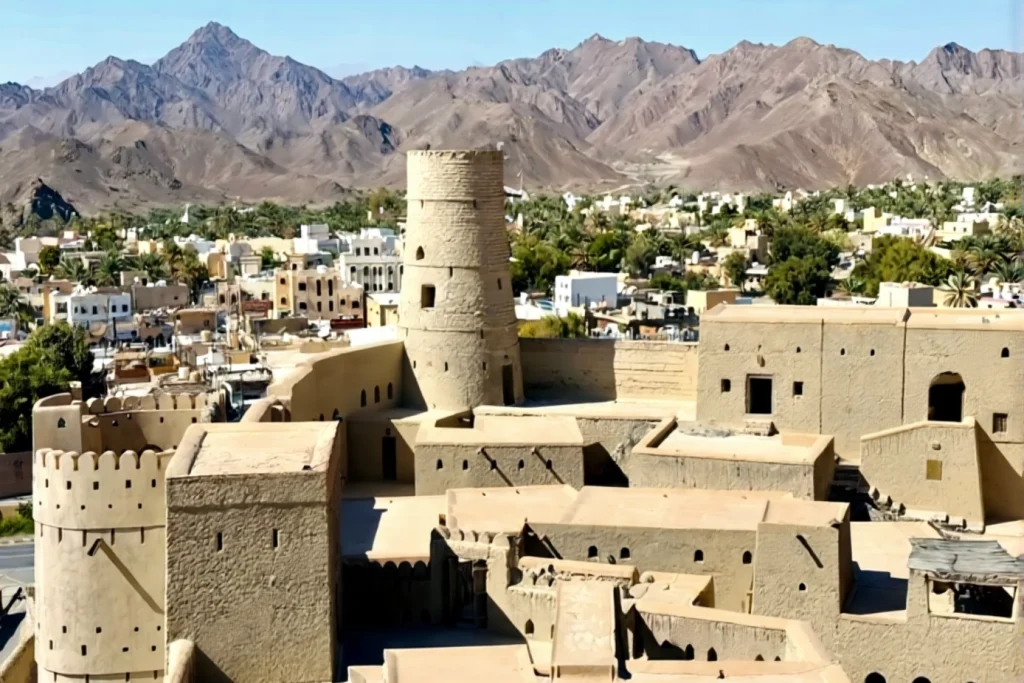
– Bahla fort, Oman, built in the 13th century –
Preserving the Craft for the Future
Keeping the ancient traditions of Bahla Pottery alive naturally requires continuous, focused effort, dedicated learning, and smart evolution. The fast-paced modern world brings many severe challenges to ancient crafts. Mass-produced, cheap plastic and fragile glass containers have quickly replaced traditional heavy clay vessels in many modern households. To successfully combat this growing issue, the historic village must boldly innovate while rigidly staying true to its original cultural roots.
The Omani government and various local heritage organizations continuously invest heavily in specialized training programs. They strongly encourage young, ambitious Omanis to view professional pottery not just as an old, outdated hobby, but as a highly respected, highly profitable modern profession. Modern artisans actively learn how to run successful businesses, market their beautiful products online, and safely ship fragile, heavy items internationally to eager buyers. They smartly blend traditional geometric patterns with modern, sleek shapes to appeal to high-end interior designers and luxury boutique hotels located across the Arabian Gulf.
Furthermore, early education plays a massive, vital role in this cultural preservation. Public schools in the surrounding regions frequently organize fun field trips to the dusty workshops. Excited children sink their small hands into the wet mud and feel the spinning wooden wheel, instantly sparking a brand new generation of passionate creators. Advanced artisans also experiment daily with stronger, non-toxic glazes that make the classic pieces more durable and safe for modern kitchen use, such as elegantly serving hot restaurant meals or safely holding decorative indoor plants.
Ultimately, the long-term survival of this beautiful art form completely depends on smartly adapting without ever losing the original, authentic soul. When the local community deeply respects the past but boldly embraces modern marketing and early education, Bahla Pottery easily secures its permanent, celebrated place in the future.
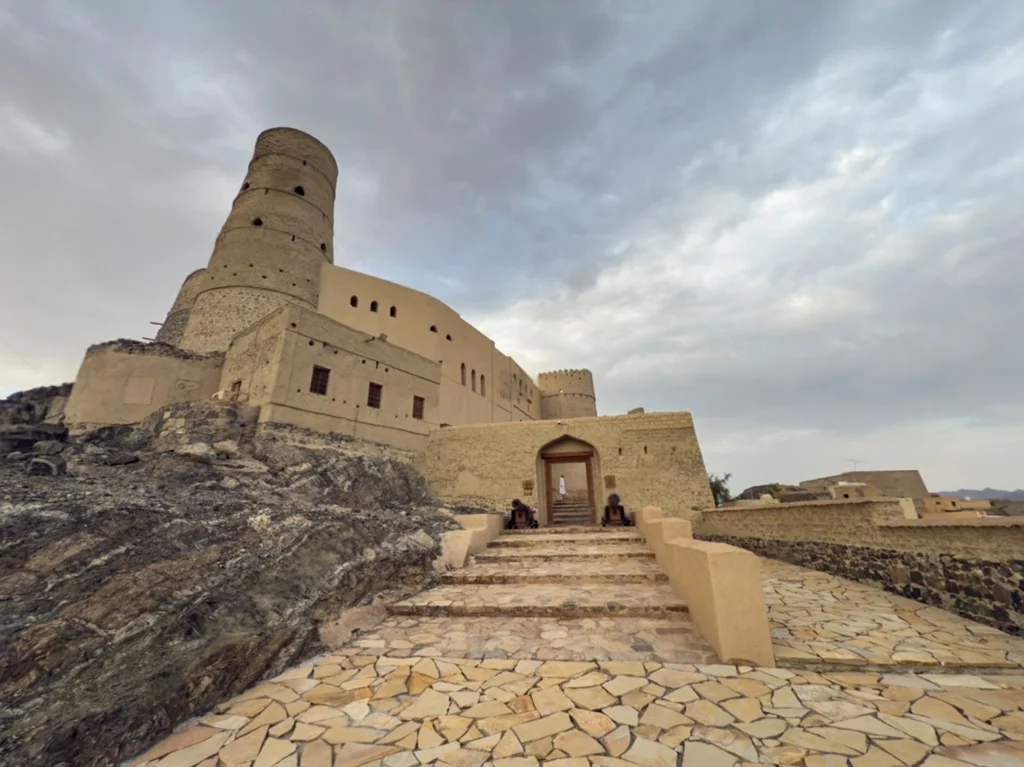
– Bahla Fort in Oman showcasing its historic mud architecture and defensive towers under a dramatic cloudy sky. bahla, Oman –
The Role of Fire – Mastering the Traditional Kiln
You cannot discuss Bahla Pottery without mentioning the awesome, destructive, and creative power of the traditional fire kiln. The fiery baking stage acts as the ultimate, unforgiving test for every artisan. Even if a potter shapes a piece perfectly and dries it flawlessly, a minor mistake during the intense firing process will completely ruin weeks of hard physical work. Therefore, the masters of the kiln hold an incredibly respected position within the village hierarchy.
These massive kilns visually resemble giant, domed beehives made of heat-resistant stones and thick mud. The workers carefully load the delicate, unfired pieces inside, stacking them with extreme precision to ensure optimal airflow around every single pot. They then seal the large door with wet clay, leaving only small, specific ventilation holes open. They feed the hungry fire continuously, day and night, using dried palm fronds, discarded wood, and dry desert brush. They judge the internal temperature not by using modern digital thermometers, but by expertly observing the exact color of the glowing flames escaping through the top vents.
This intense, roaring fire slowly bakes the soft mud into rock-hard ceramic. The highly dangerous process demands constant, sleepless vigilance from the workers. If the fire burns too hot, the pots will melt and fuse together permanently. If the fire burns too cool, the pots will remain weak and easily shatter upon normal use. Mastering this fiery beast naturally requires decades of trial, error, and undeniable human intuition.
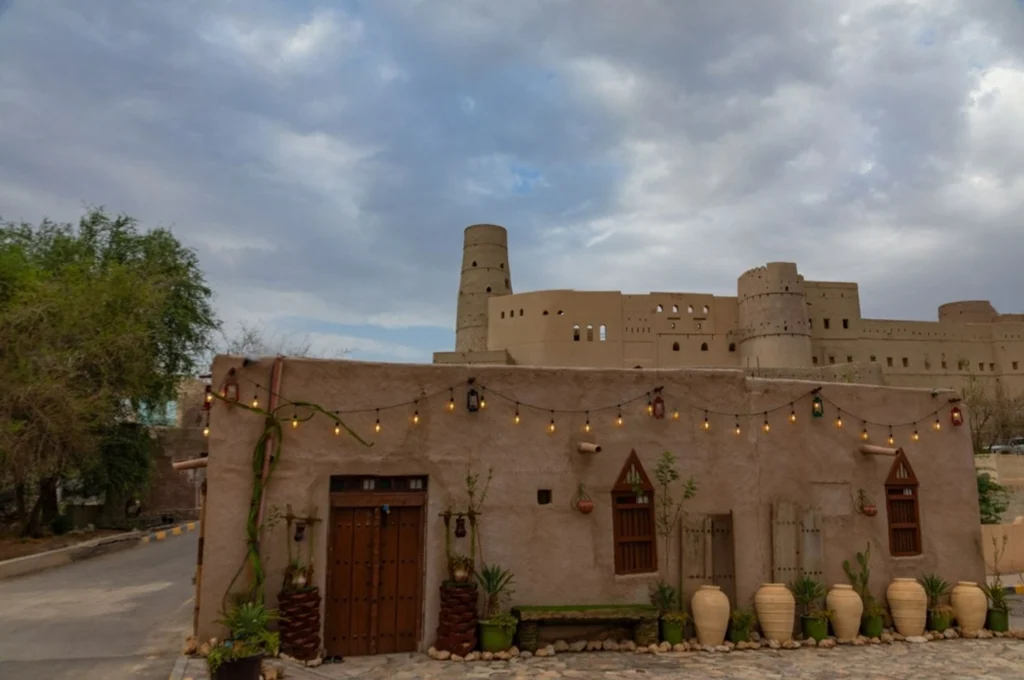
– Bahla Fort in Oman – Historic Mud Brick Fortress and Heritage Landmark , Bahla Fort, a UNESCO World Heritage Site in Oman, showing traditional Omani architecture, towers, and heritage –
Embrace Patience and Appreciation
Patience and deep appreciation act as the true, fundamental keys to understanding the immense value of handmade crafts. In a modern world currently obsessed with instant gratification and next-day delivery, watching an old artisan spend a full hour shaping a single, simple bowl forces you to pleasantly slow down. The entire process of gathering, mixing, throwing, drying, and firing takes several long weeks. It remains a genuine labor of love that demands ultimate, unyielding patience.
- Wait calmly for the wet clay to settle.
- Tread slowly to remove hidden air pockets.
- Center the heavy clay perfectly on the wheel.
- Pull the thin walls gently upwards.
- Let the warm sun dry the piece naturally.
- Feed the roaring kiln fire steadily and evenly.
- Allow the hot ashes to cool completely over several days.
Remember something very important – true, lasting beauty cannot be rushed. The wise artisans know that trying to forcefully speed up the drying process will only result in cracked, utterly ruined pots. The frequent delays, the careful waiting, and the incredibly gentle handling are exactly what give these ceramic pieces their unique soul. My honest advice to you as a visitor is to mentally adopt this calm mindset. Take your time walking slowly through the village, sit quietly as you watch the wheel spin, and deeply appreciate the immense, quiet dedication required to make a single incense burner.
Therefore, do not rush your visit to the historic village. Allow yourself the ample time to fully absorb the peaceful, traditional atmosphere. Understand that the slight, charming wobble in a handmade dinner plate or the uneven, rustic glaze on a coffee cup tells a beautiful story of human hands, not a soulless factory machine.
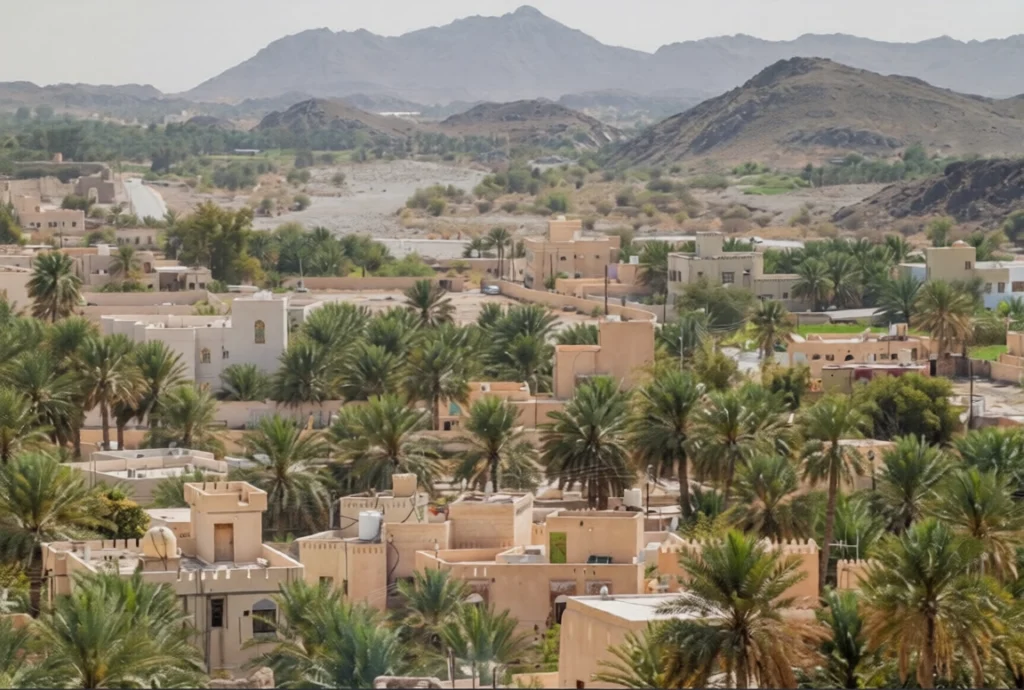
– Aerial view of Bahla town, Oman –
Conclusion
In the end, we can confidently say that the enduring magic of Bahla Pottery completely lies in its perfect, delicate balance of ancient history, raw nature, and exceptional human skill. The dedicated potters of this historic Omani village hold onto their rich heritage tightly, yet they generously and warmly share it with anyone willing to look closer and listen well. They understand their earthy materials intimately and produce stunning art that successfully serves a daily practical purpose while continuously telling an ancient, beautiful story.
Moreover, your personal visit and financial support play an absolutely crucial role in the ongoing survival of these historic workshops. By choosing to purchase authentic, handmade ceramics directly, you directly fund the proud families who keep these traditional fires continuously burning. The perfect combination of traditional methods, strong community spirit, and modern global appreciation entirely ensures that the legendary potter’s wheel in Bahla will continue to spin gracefully for many generations to come.