Exploring historical places offers a unique window into the past, connecting us with the roots of human civilization. If you want to experience the true essence of Arabian Gulf history, the Al Zubarah UNESCO World Heritage Site is an absolute must-visit destination. Before the discovery of oil and natural gas, Qatar possessed a thriving economy built on the pearl diving trade. Al Zubarah stands today as the most comprehensive and well-preserved example of an 18th and 19th-century pearl fishing and trading town in the entire region.
Thank you for reading this post, don't forget to subscribe!When you visit this remarkable location, you do not just see old stones; you step back in time. You can walk the same paths that ancient merchants, skilled pearl divers, and visionary leaders walked centuries ago. Understanding the historical context helps you appreciate the profound global significance of this site. This complete cultural guide will help you plan your journey, discover hidden historical gems, and acquire the knowledge needed to fully appreciate this magnificent cultural treasure.
You will find this massive archaeological site situated on the pristine northwestern coast of Qatar, roughly a one-hour drive from the modern skyline of Doha. The contrast between the futuristic capital city and the ancient desert ruins provides a breathtaking perspective on how rapidly the country has evolved. UNESCO recognized the site in 2013, solidifying its status as a global heritage landmark. By implementing excellent preservation techniques, Qatar ensures that future generations can witness the architectural brilliance and cultural depth of this historic coastal town.
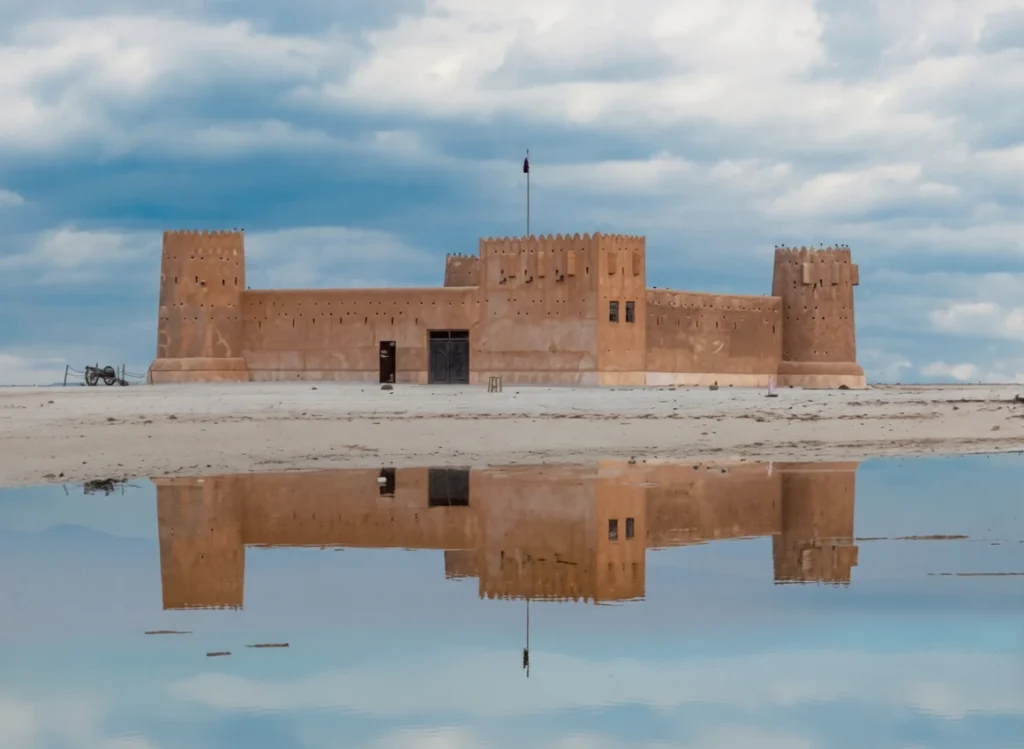
– Doha, Qatar - Al Zubarah Fort, a historic military fortress in Qatar, Middle East –
Understand Its Global Significance
Begin your journey by learning why the global community places such high value on this specific desert town. The Al Zubarah UNESCO site holds immense importance because the desert sands naturally buried and protected the town after people abandoned it. When you understand its significance, you can truly appreciate the stories hidden beneath the surface. This remarkable preservation gives archaeologists and historians a perfect snapshot of urban Gulf life before the modern era. You can clearly see the layout of streets, houses, mosques, and fortified walls.
- A Pristine Time Capsule 📌 Unlike other coastal towns that modernized and built over their ancient foundations, Al Zubarah remained untouched. The blowing desert sands covered the ruins, protecting them from destruction.
- The Center of the Pearl Trade 📌 During its peak, this town operated as the central hub for the global pearl trade. Merchants traveled from India, Persia, and East Africa to trade goods for pure Qatari pearls.
- Unique Urban Architecture 📌 The site displays an excellent example of traditional Arabian town planning. You can observe the specific courtyard house designs that maximized privacy and optimized cooling in the harsh desert climate.
- Evidence of Global Trade 📌 Archaeologists uncovered fascinating artifacts here, including Chinese porcelain, European glass, and Omani pottery. These items prove that this small desert town maintained strong connections with the entire world.
- Insight into Daily Life 📌 The ruins show exactly how ordinary people lived. From the small fishermen’s huts on the beach to the massive palaces of wealthy merchants, the site tells the story of an entire society.
- Outstanding Universal Value 📌 UNESCO granted this site its prestigious title because it represents a cultural tradition that has completely disappeared. The pearling industry vanished after the invention of cultured pearls, making this town a rare monument to a lost way of life.
In short, you must view Al Zubarah not just as an old settlement, but as a crucial missing link in human history. The dedication of local and international archaeological teams continues to reveal new secrets every year, making every visit a fresh and educational experience.
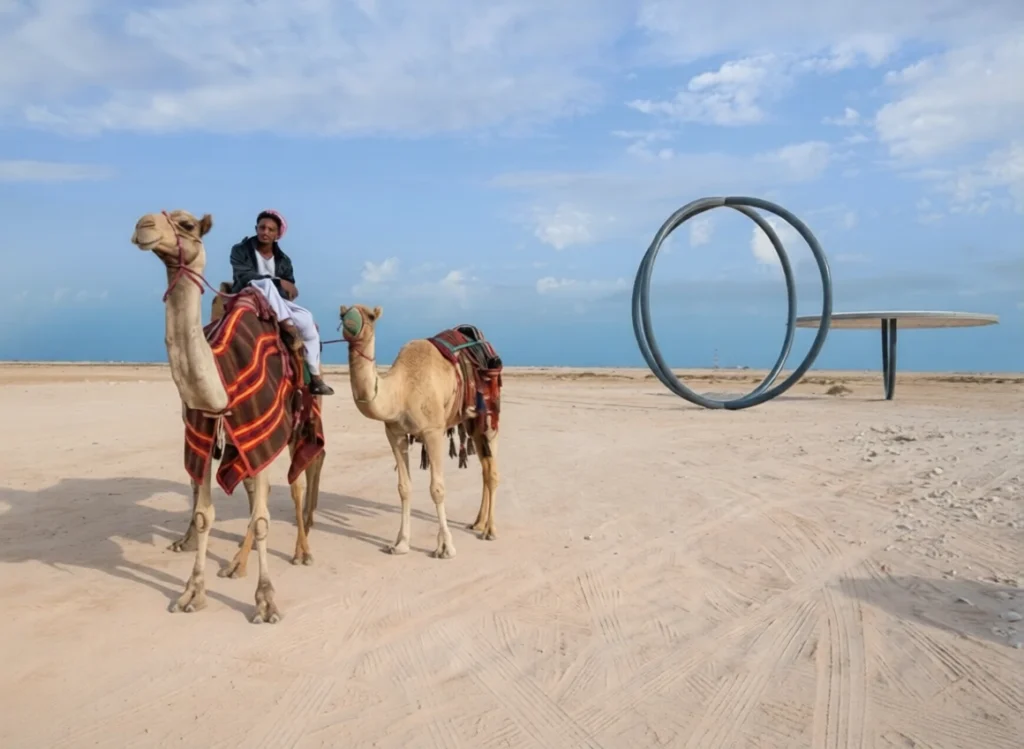
– Zubara, Qatar - Shadows Travelling on the Sea of the Day by Olafur Eliasson. Northern Heritage Site, Al Zubara –
Plan Your Visit Effectively
Planning your trip to the Al Zubarah UNESCO site requires a little bit of preparation to ensure a comfortable and rewarding experience. Because the site sits in the open desert, you need to consider the weather, transportation, and the specific areas you wish to explore. By organizing your itinerary thoughtfully, you maximize your time and avoid common travel mistakes.
Travel Aspect | Details & Recommendations |
Best Time to Visit | Visit between November and March. The winter months offer cool, pleasant weather perfect for walking through the outdoor ruins. Avoid summer afternoons. |
Transportation | Rent a car or book a guided tour from Doha. The drive takes about one hour via the Al Shamal Highway. Public transport does not reach the site directly. |
What to Wear | Wear modest, comfortable clothing. Bring a wide-brimmed hat, sunglasses, and apply plenty of sunscreen. Sturdy walking shoes are essential for the rocky paths. |
Site Facilities | The main fort features clean restrooms, a small gift shop, and an indoor museum with air conditioning. Bring your own water bottles and snacks for the outdoor walk. |
Entry Fees | Entry to both the fort and the archaeological ruins is generally free, but you should always check the Qatar Museums website for updated ticketing information before you go. |
Flight Resources – International travelers planning an expedition to Qatar can compare and book optimal flight routes. Securing a comfortable flight schedule ensures that heritage tourists arrive refreshed and ready to explore Zubarah Fort without delay.
Using this practical information, you can set off on your journey with confidence. A well-planned visit allows you to focus entirely on the rich history and the stunning desert landscapes surrounding the Al Zubarah UNESCO site.
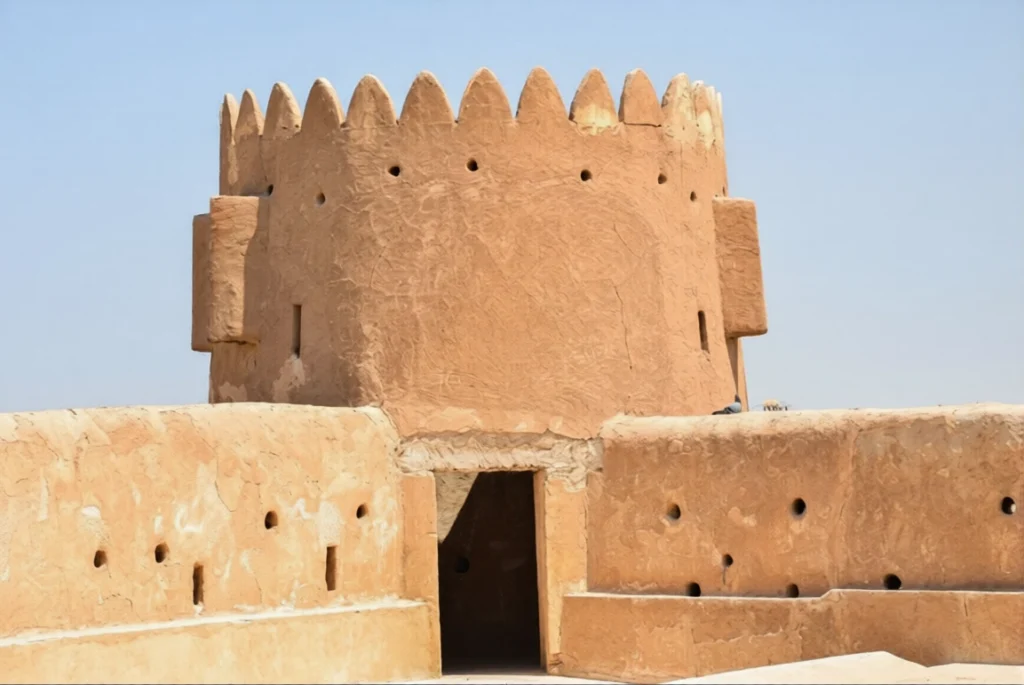
– One of the corner towers of historical Al Zubarah fort in Qatar –
Explore the Historic Al Zubarah Fort
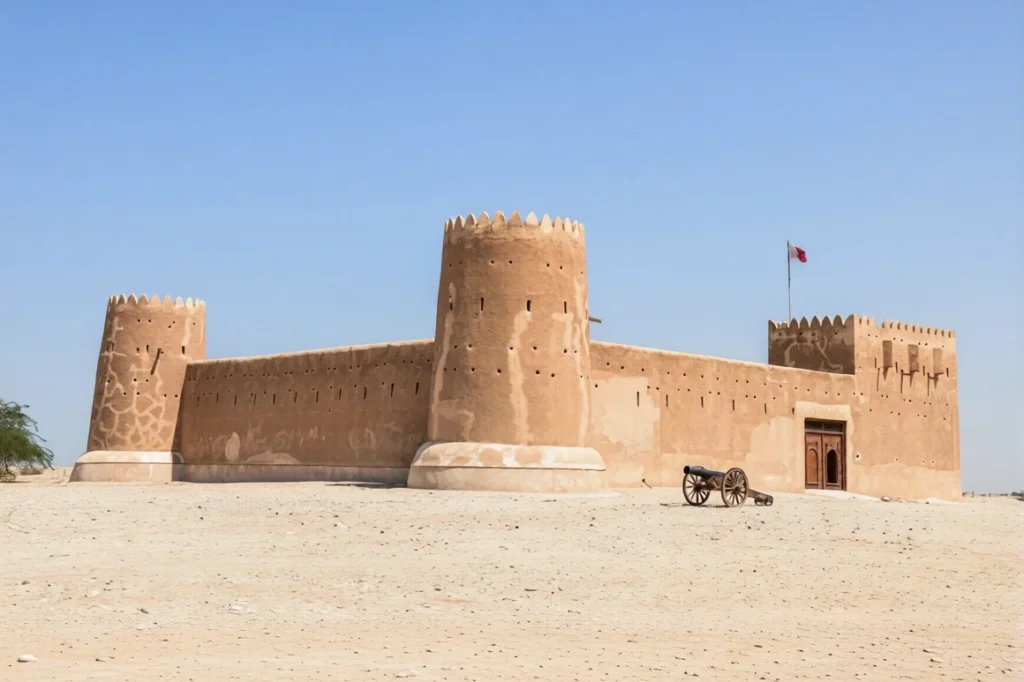
Your adventure will likely begin at the magnificent Al Zubarah Fort. While the archaeological ruins date back to the 1700s, Sheikh Abdullah bin Jassim Al Thani built this iconic fort much later, in 1938. The fort originally served as a military coast guard station to protect Qatar’s northwestern shores. Today, it stands as an imposing museum and the main gateway to the entire heritage area. Here are the key features you should explore while inside the fort.
- The Distinctive Towers Notice the four massive towers at each corner of the fort. Three of these towers feature a traditional circular design, while the fourth tower boasts a unique rectangular shape. This architectural choice provided guards with comprehensive views of the surrounding desert and sea.
- The Traditional Courtyard Walk into the center of the fort to experience the expansive open courtyard. Traditional Qatari architecture relies heavily on central courtyards to facilitate air circulation and provide a safe gathering space for soldiers and residents.
- The Ingenious Roof Construction Look up at the ceilings inside the ground-floor rooms. Builders constructed these roofs using compressed mud, traditional wood, and woven palm leaves. This natural insulation kept the interior rooms remarkably cool even during the blazing summer months.
- The Museum Exhibits Spend time exploring the small museum housed inside the fort’s rooms. The exhibits display fascinating archaeological finds, including ancient coins, diving weights, and beautiful pottery pieces discovered in the nearby ruined town.
- The Wooden Doors and Details Admire the heavy, beautifully carved wooden doors that protect the fort’s entrances. These elements showcase the incredible craftsmanship of local artisans from the early 20th century.
- The Defensive Features Pay attention to the small holes built into the thick walls. Soldiers used these narrow slits to safely fire their weapons at approaching enemies without exposing themselves to danger.
- The Fresh Water Well Examine the deep well located inside the courtyard. Access to fresh water meant the difference between life and death in the desert, allowing the fort’s inhabitants to withstand long sieges.
Guided Experiences – History enthusiasts seeking a comprehensive educational trip can reserve guided tours and desert activities for Zubarah Fort. Booking a professional excursion allows tourists to seamlessly navigate the ancient region while absorbing deep historical insights directly from expert local guides.
By paying attention to these architectural and historical details, you transform a simple sightseeing trip into a deep educational experience. The fort acts as a brilliant introduction to the older, more mysterious ruins that lie just a short distance away.
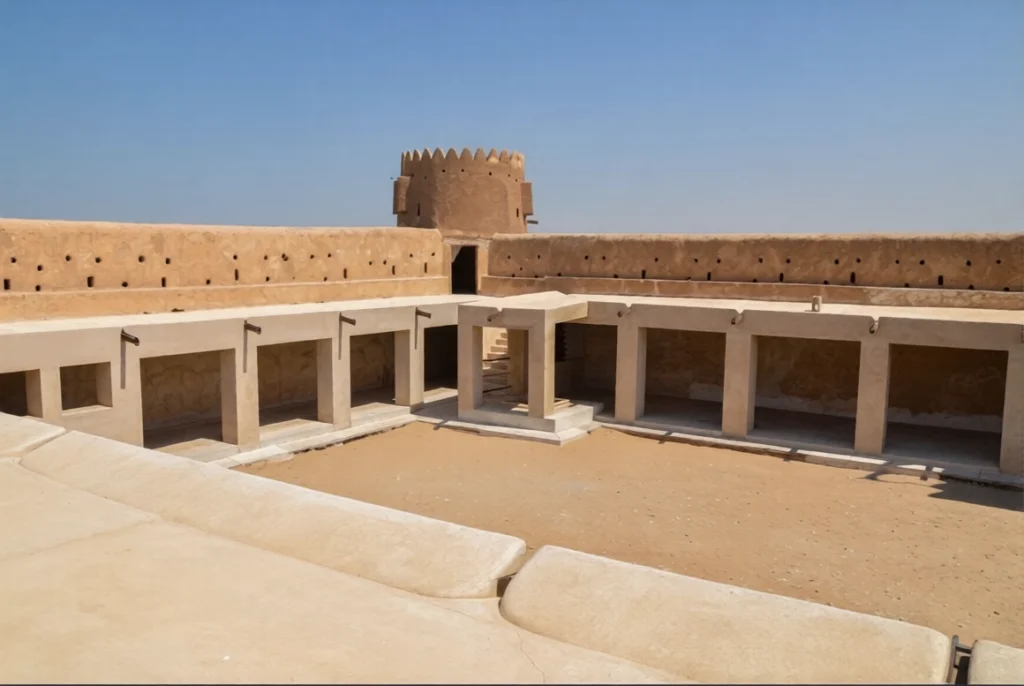
– Internal view of the historical Al Zubarah fort in Qatar –
Discover the Pearl Diving Heritage
You cannot fully appreciate the Al Zubarah UNESCO site without understanding the intense and fascinating world of pearl diving. For hundreds of years, the people of the Arabian Gulf relied on the sea for their survival. The warm, shallow waters off the coast of Qatar provided the perfect environment for oysters to produce some of the finest pearls in the world. Al Zubarah grew from a small settlement into a bustling metropolis entirely because of this lucrative, yet dangerous, industry.
During the summer months, thousands of men would leave their families and board traditional wooden dhow boats. They spent months at sea, diving deep into the ocean from sunrise to sunset. The divers did not use modern scuba gear. They relied solely on their lung capacity, diving with a simple nose clip made from turtle shell and a stone weight tied to their foot to help them sink faster. They gathered oysters in small woven baskets before pulling themselves back to the surface.
The wealth generated from these pearls built the massive palaces and defensive walls that you see in the archaeological ruins today. Merchants in Al Zubarah sorted, graded, and shipped these pearls to global markets in Mumbai, Paris, and London. However, the introduction of Japanese cultured pearls in the 1920s caused the global market for natural pearls to crash. This economic shift ultimately led to the final abandonment of Al Zubarah, turning it into the ghost town we study today.
In summary, the story of Al Zubarah intertwines completely with the story of the pearl. The bravery and sacrifice of the Qatari pearl divers laid the historical foundation for the modern, prosperous nation you see today. When you walk through the ruins, you are walking through the physical legacy of those courageous divers and ambitious merchants.
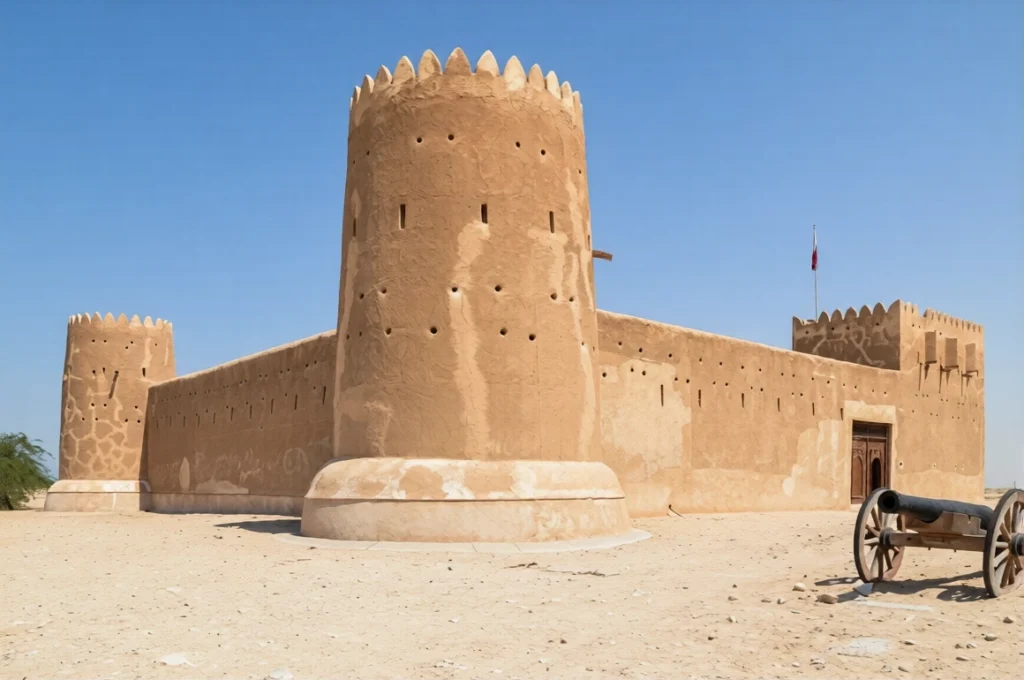
– External view of the historical Al Zubarah fort in Qatar with an cannon –
Engage with the Local Culture
Engaging actively with the local history transforms your visit from a standard tourist stop into a meaningful cultural exchange. The Al Zubarah UNESCO site offers numerous ways for you to connect with the heritage of the Gulf. By immersing yourself in the stories and artifacts, you gain a deeper respect for the resilience of the people who thrived in this challenging environment. Here are several effective strategies to engage with the culture during your visit.
- Talk to the Local Guides👈 Seek out the onsite guides and museum curators. They possess a wealth of knowledge and often share captivating local legends and historical facts that you will never find in a guidebook.
- Study the Artifacts👈 Take your time in the exhibition rooms. Look closely at the tools the pearl divers used, the imported porcelain dishes, and the traditional fishing traps. These items provide a direct physical connection to the past.
- Walk the Archaeological Paths👈 Leave the fort and follow the marked pathways through the ruined city. Imagine the bustling markets, the sound of merchants negotiating, and the smell of spices wafting through the air centuries ago.
- Photograph the Details👈 Use your camera to capture the intricate patterns in the restored stonework and the vast emptiness of the surrounding desert. Photography helps you slow down and notice the beautiful, subtle details of the architecture.
- Visit the Nearby Villages👈 Extend your cultural journey by driving to nearby abandoned fishing villages, such as Al Jumail. These smaller sites offer a quieter, more intimate look at traditional coastal life in northern Qatar.
- Read the Information Boards👈 The site features highly informative plaques detailing the archaeological processes. Read these boards to understand how scientists map the city and uncover new ruins using advanced technology.
By utilizing these engagement strategies, you ensure that your visit leaves a lasting impression. You will leave the Al Zubarah UNESCO site with a rich understanding of Qatari history and a profound appreciation for the ancestors who built this remarkable desert civilization.
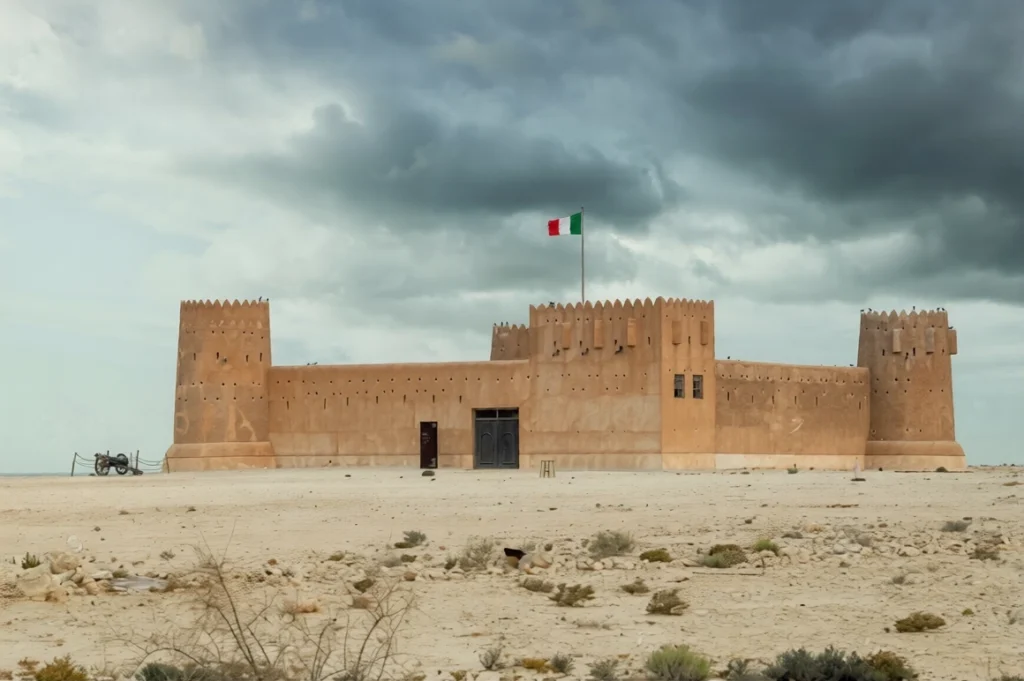
– Doha, Qatar - Al Zubara Fort, a historic military fortress in Qatar –
Support Heritage Preservation
Preserving a site as vast and delicate as Al Zubarah requires massive effort and continuous dedication. The ruins consist primarily of traditional materials like coral rock, mud, and limestone. These materials degrade quickly when exposed to harsh wind, salty sea air, and rare but heavy desert rain. The Qatar Museums Authority works tirelessly to stabilize the remaining walls and protect the archaeological trenches from collapsing. As a visitor, you play a crucial role in supporting these preservation efforts.
- Stay on Marked Paths Always walk exclusively on the designated walkways and viewing platforms. Stepping on unexcavated mounds or fragile walls can cause irreversible damage to structures that have survived for hundreds of years.
- Do Not Touch the Ruins The oils and acids on human skin can deteriorate ancient coral stone and plaster. Respect the historical integrity of the site by looking with your eyes, not your hands.
- Leave Artifacts Where They Lie If you happen to spot a piece of ancient pottery or a coin in the sand, never pick it up or take it home. Report your finding to a staff member so archaeologists can document its exact location, which provides vital historical context.
- Follow Photography Rules Adhere strictly to any rules regarding flash photography, especially inside the museum areas. Intense flashes can fade delicate pigments on ancient artifacts over time.
- Spread the Word Share your experience and photographs with your friends, family, and social media followers. Educating others about the Al Zubarah UNESCO site raises global awareness and promotes cultural tourism, which in turn funds further preservation projects.
- Support Local Initiatives Consider purchasing souvenirs from the official gift shop. The revenue generated often goes directly back into the maintenance and protection of Qatar’s historical landmarks.
- Respect the Environment Keep the desert clean. Dispose of your trash properly and avoid leaving any plastic bottles or wrappers behind. A clean environment protects both the ruins and the local wildlife.
- Learn About Conservation Tech Take a moment to learn how modern archaeologists use non-invasive techniques like ground-penetrating radar and 3D laser scanning to study the town without digging up the delicate foundations.
Ultimately, the preservation of the Al Zubarah UNESCO site is a shared global responsibility. By visiting responsibly and showing respect for the historical landscape, you help guarantee that this irreplaceable window into the past remains open. Your mindful actions today ensure that archaeologists can continue to uncover the mysteries of this pearling town tomorrow. Treat the site with the reverence it deserves.
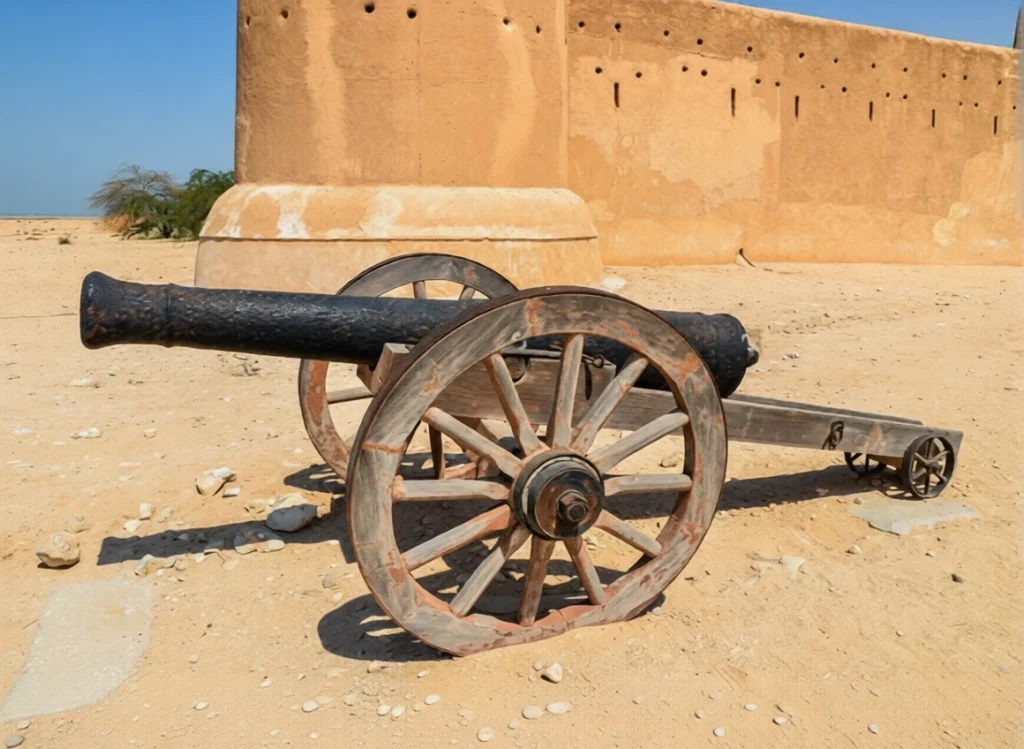
– Cannon in front of the historical Al Zubarah fort in Qatar with an cannon –
Continue Your Journey of Discovery
Your exploration does not have to end when you leave the gates of the Al Zubarah UNESCO site. The experience should serve as a starting point for a deeper dive into Arabian history. The heritage of Qatar offers so much more to discover, from the winding alleys of traditional souqs to world-class museums housing ancient Islamic art.
Accommodation Guide – Families, couples, and solo travelers requiring rest after a long day of desert exploration can browse and book highly-rated hotels and accommodations. Selecting the ideal lodging near Zubarah Fort and surrounding regions provides visitors with a luxurious, secure retreat during their cultural holiday.
We highly recommend spending time at the National Museum of Qatar in Doha after your trip to the ruins. The museum features an entire gallery dedicated to life on the coast, displaying the magnificent pearls, fully restored dhow boats, and interactive exhibits that beautifully complement what you saw at Al Zubarah. Seeing the artifacts in a state-of-the-art museum setting connects the raw archaeological ruins with the polished history of the nation.
Furthermore, reading historical books or watching documentaries about the Gulf pearl trade will enrich your understanding. You will learn how local tribes navigated political alliances, adapted to extreme weather, and built thriving economies based entirely on the ocean’s bounty. The more you learn, the more fascinating the history of the region becomes. Every new piece of information adds color and depth to the physical ruins you explored.
In the end, true travel is about continuous learning. The Al Zubarah UNESCO site sparks a curiosity that you should actively feed. By exploring related museums, reading historical texts, and engaging with the wider Qatari culture, you build a comprehensive and profound understanding of the Arabian Gulf’s remarkable journey from ancient pearling centers to modern metropolises.
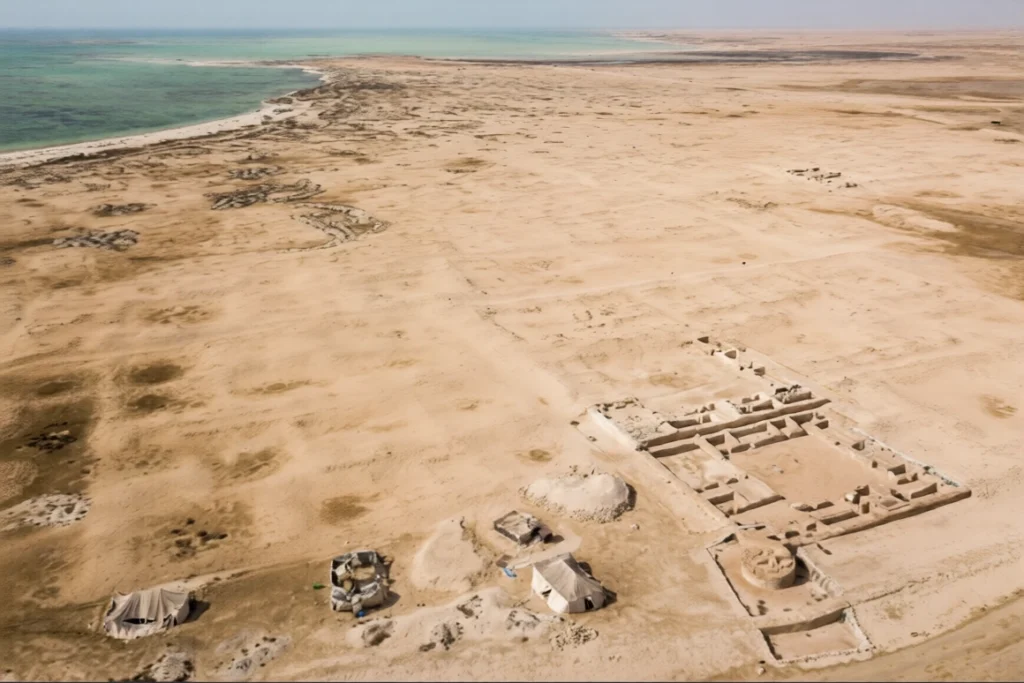
– Al Zubarah (Az Zubara), ruined ancient Arabian town, north-western coast of the Qatar peninsula, Al Shamal. UNESCO World Heritage Site. Historical port for trade, pearl and fishing in the Persian Gulf –
Reflect on the Desert’s Endurance
Reflecting on your visit to Al Zubarah brings a deep sense of awe. You realize that endurance and adaptation are the true hallmarks of human history in the Gulf. The people who built this town faced incredible challenges, from blistering heat and scarce fresh water to pirate attacks and shifting global economies. Yet, they built a thriving, beautiful city that captured the attention of the world.
- The resilience of the pearl divers.
- The brilliance of traditional architecture.
- The power of the desert winds.
- The interconnectedness of ancient global trade.
- The importance of honoring our ancestors.
- The dedication of modern archaeologists.
- The beauty of preserving human history.
Always remember this crucial takeaway – History is not just a collection of dates and ruined buildings. History is the story of human survival, innovation, and community. Exploring the Al Zubarah UNESCO site allows you to physically touch that history. We encourage you to travel thoughtfully, seek out these hidden cultural gems, and always remain curious about the past.
Therefore, as you drive away from the imposing walls of the fort and back toward the modern comforts of the city, carry the spirit of Al Zubarah with you. Let the resilience of the ancient merchants and divers inspire your own life journey, and let your memories of this spectacular desert town fuel a lifelong passion for cultural exploration.
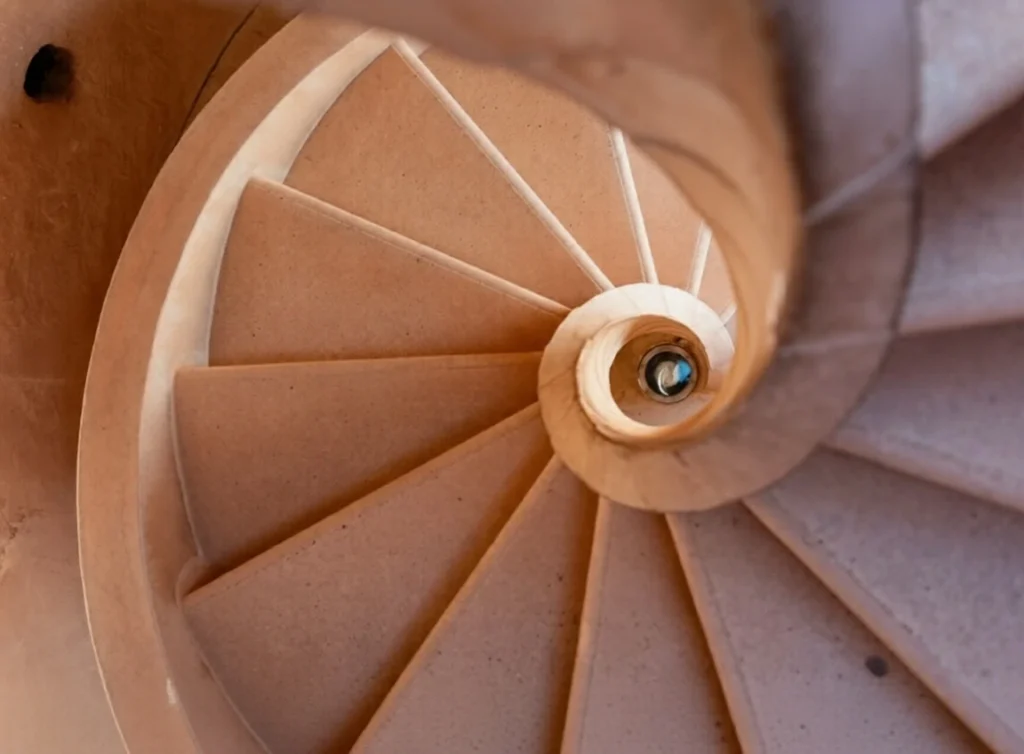
– A close-up view of a warm sandstone spiral staircase in Al Zubarah Fort, Qatar, capturing smooth, curving steps spiralling toward the central axis. The image highlights architectural harmony –
Conclusion
To sum up your virtual tour, the Al Zubarah UNESCO World Heritage Site stands as an irreplaceable monument to the Gulf’s vibrant history. It offers visitors a rare, authentic glimpse into the era of the great pearl trade, showcasing traditional architecture, impressive fortifications, and the daily lives of ancient coastal communities. By planning your visit properly and engaging respectfully with the ruins, you participate in the ongoing story of this magical place.
Moreover, supporting preservation efforts and continuing your education ensures that the legacy of Al Zubarah will never fade. Whether you are a dedicated history enthusiast, a lover of desert landscapes, or a curious traveler seeking authentic experiences, this exceptional archaeological site promises a journey that will captivate your imagination and leave you with a profound respect for Qatar’s enduring cultural heritage.