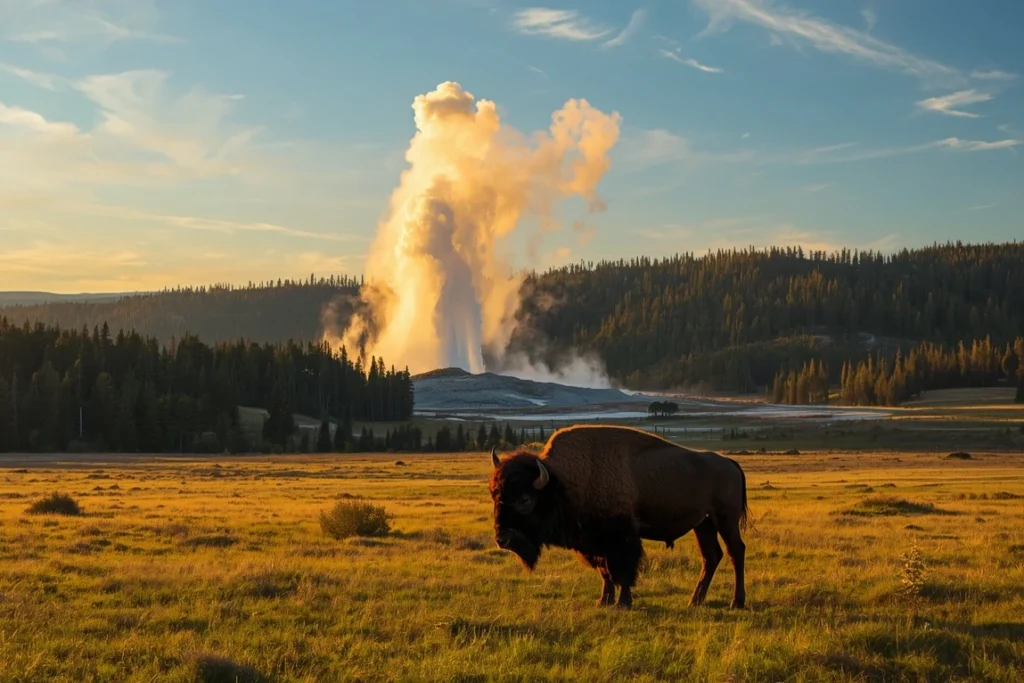
Welcome to the ultimate resource for planning a journey to Yellowstone National Park. As the first national park in the world, this incredible destination offers an unmatched blend of geothermal wonders, diverse wildlife, and breathtaking landscapes. Whether one wants to watch a geyser erupt, see wild bison roam freely, or explore deep alpine forests, a solid plan is essential. This comprehensive guide helps visitors understand the core purpose of their trip, the best ways to navigate the vast terrain, and the essential rules for a safe and memorable experience. By learning about the park before arriving, travelers ensure a trip that respects nature and maximizes enjoyment.
Thank you for reading this post, don't forget to subscribe!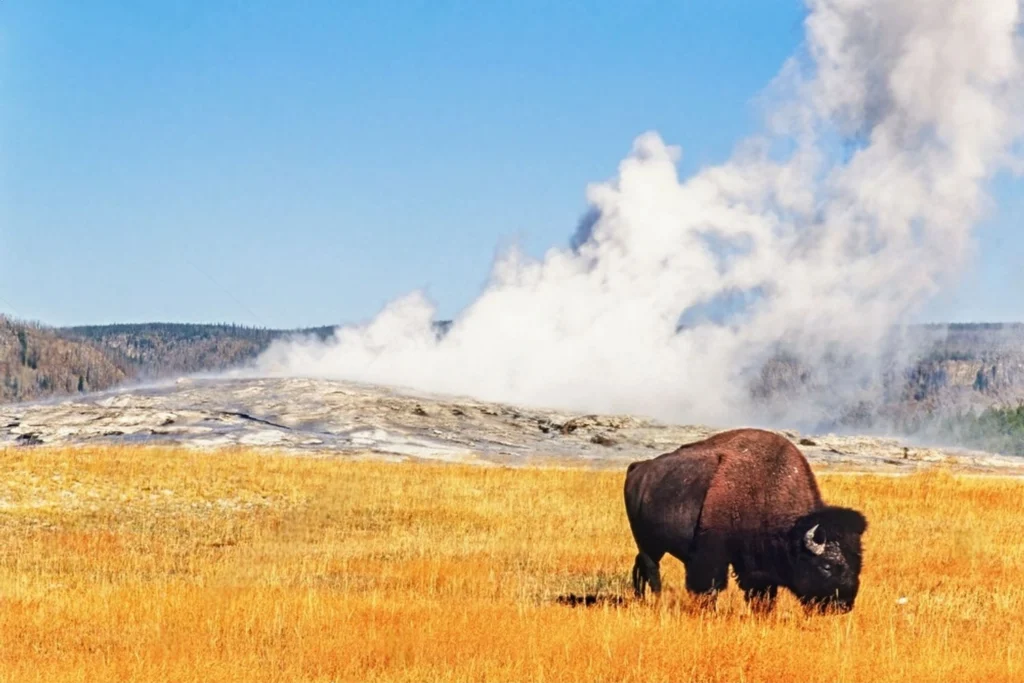
Creating a solid itinerary is the key to a successful visit. The park covers over two million acres across Wyoming, Montana, and Idaho. Because the area is so large, tourists cannot see everything in a single day. Prioritizing high-quality experiences that match personal interests is vital. Furthermore, optimizing daily routes helps visitors avoid heavy traffic and crowded parking lots. This approach provides more time to appreciate the pristine ecosystems and unique geological formations that make this destination a global treasure.
Understand Its UNESCO World Heritage Status
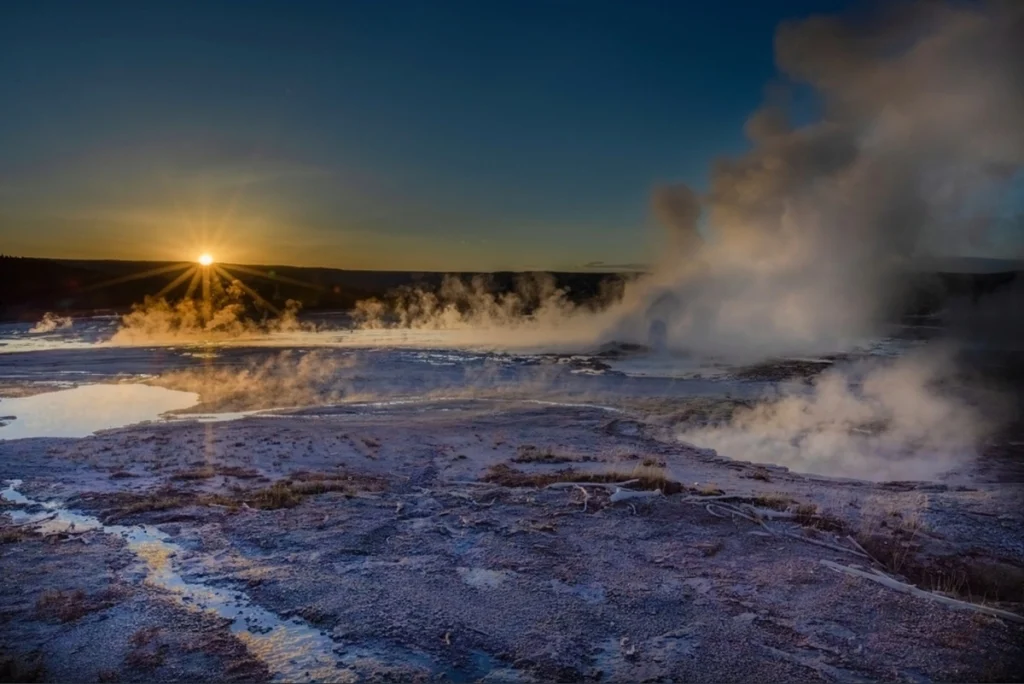
- The park contains more than ten thousand distinct hydrothermal features, which include hot springs, mudpots, fumaroles, and geysers.
- It protects half of the world’s active geysers, offering a rare window into the active volcanic forces operating beneath the Earth’s crust.
- The vast landscape serves as a critical refuge for endangered and threatened species, providing a natural habitat free from heavy human development.
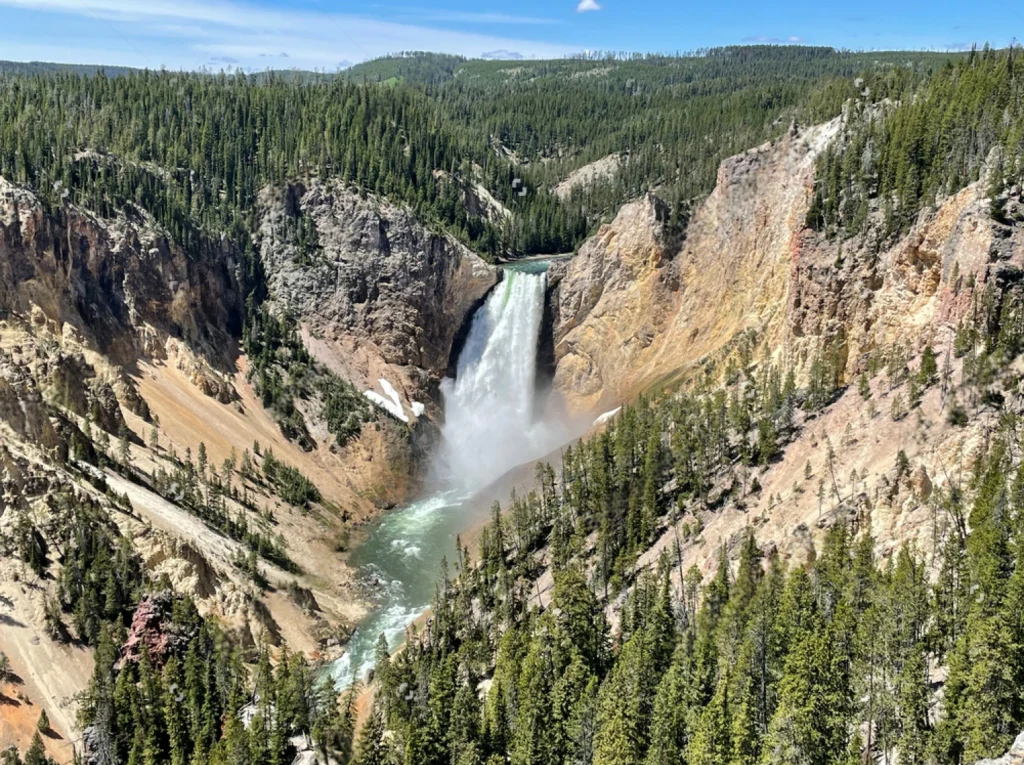
- The site features an incredibly diverse topography, ranging from deep river canyons and towering waterfalls to expansive subalpine forests and sprawling meadows.
- Scientists and researchers from around the globe visit the park continuously to study its unique extremophile bacteria, which thrive in boiling waters.
- The area holds thousands of years of Native American history, showcasing the deep cultural roots and historic connection between indigenous peoples and the land.
In short, tourists must explore this park with a mindset of reverence and respect. Every visit directly supports the continued preservation of these natural wonders. By following park rules and learning about the environment, travelers help ensure that future generations can also experience the magic of this remarkable ecosystem.
Plan Your Trip Like a Pro
- Define The Main Goal 📌Before booking anything, travelers should decide what they want out of this trip. Whether the goal is to hike remote backcountry trails, photograph wildlife, or simply drive the main roads to see the famous geysers, setting a clear objective shapes the entire schedule.
- Choose the Right Season 📌Researching the different seasons and understanding how weather impacts park access is essential. Summer offers full road access but brings heavy crowds. Spring and fall offer quieter experiences, but tourists might face sudden snowstorms and unexpected road closures.
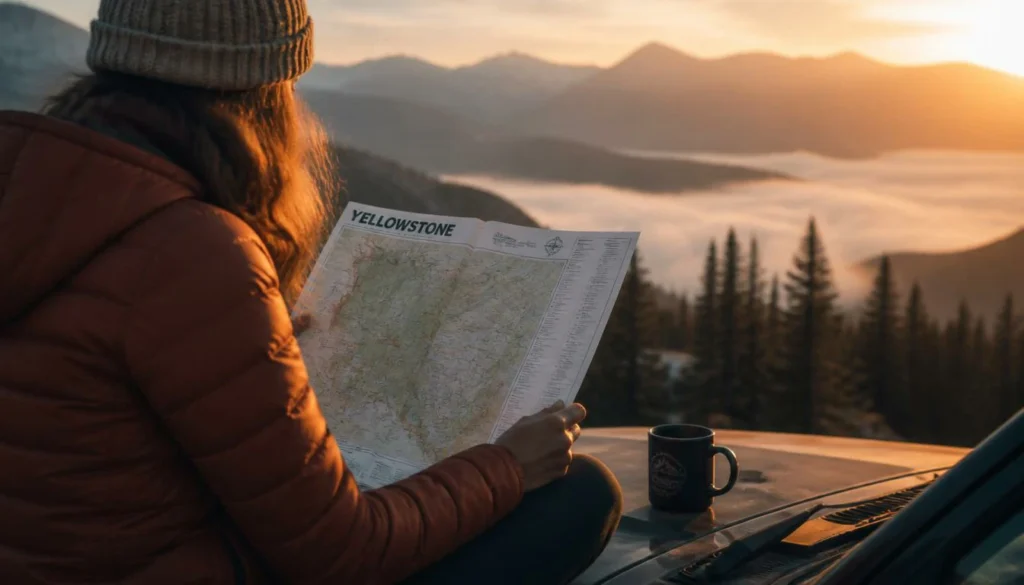
- Download Offline Maps 📌Cellular service is practically non-existent in most areas of the park. Visitors must download digital maps to their phones and bring a physical paper map to ensure they never lose their way while exploring remote roads.
- Pack Strategic Layers📌 Mountain weather changes rapidly. Travelers might experience freezing temperatures in the morning and warm sunshine by the afternoon. Bringing moisture-wicking shirts, insulating fleeces, and waterproof jackets keeps everyone comfortable.
- Understand Wildlife Safety 📌Wild animals behave unpredictably. Tourists must learn the exact safety distances required for different species. Bringing binoculars or a spotting scope allows visitors to enjoy the animals without invading their natural space.
- Start Days Early 📌The best way to beat the heavy summer crowds and increase the chances of spotting active wildlife is to enter the park before sunrise. Most tourists do not arrive until mid-morning, giving early birds a major advantage.
- Practice Patience and Flexibility 📌A sudden bison jam on the road can stop traffic for an hour. Bad weather can obscure a famous viewpoint. Visitors need to stay patient, adapt their plans, and enjoy the unexpected moments that make this park special.
By following these essential planning strategies, travelers greatly increase their chances of a successful and memorable trip. A well-prepared tourist spends less time worrying about logistics and more time soaking in the majestic scenery.
Explore the Geothermal Wonders
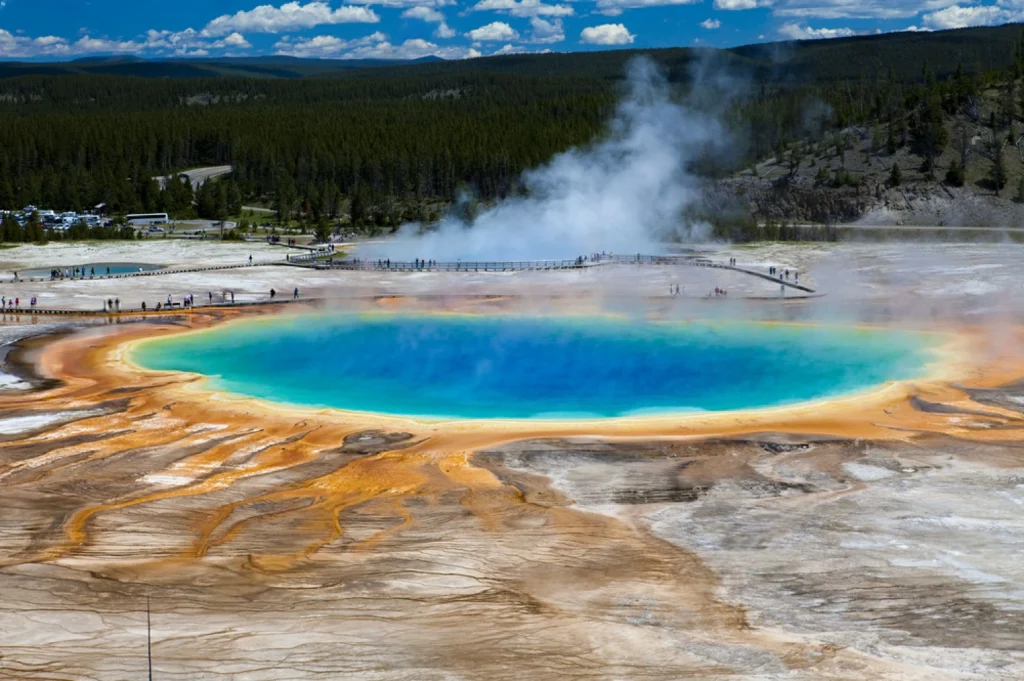
- Old Faithful Geyser This iconic geyser erupts with remarkable predictability, shooting boiling water up to 180 feet in the air. Visitors should check the visitor center for estimated eruption times and grab a seat on the boardwalk early.
- Grand Prismatic Spring As the largest hot spring in the United States, this feature boasts vivid rings of vibrant orange, yellow, and green. Hiking the nearby Fairy Falls trail allows travelers to reach the overlook for the best panoramic view.
- Mammoth Hot Springs Unlike other thermal areas, this section features spectacular travertine terraces formed by dissolved limestone. The landscape constantly changes as the water flows over different levels, creating a stunning visual effect.
- Norris Geyser Basin Tourists can explore the hottest and most dynamic thermal area in the park here. This basin is home to Steamboat Geyser, the tallest active geyser in the world, along with highly acidic and colorful springs.
- West Thumb Geyser Basin Situated along the shores of Yellowstone Lake, this basin offers a unique contrast. Visitors can watch boiling hot springs bubble up right next to the freezing cold, deep blue waters of the massive alpine lake.
- Mud Volcano Area This section allows travelers to experience the powerful smells and sounds of the earth. It features churning pots of grey mud and fumaroles that hiss loudly, earning colorful names like the Dragon’s Mouth Spring.
- Biscuit Basin Walking along the easy boardwalks reveals Sapphire Pool, one of the clearest and most beautifully colored blue pools in the entire park. It offers excellent photography opportunities for all visitors.
By visiting these distinct thermal basins, travelers gain a comprehensive view of the volcanic power hidden beneath the earth. Staying safely on the boardwalks ensures tourists protect these fragile environments, which contributes to the long-term preservation of the park.
Mastering the Grand Loop Road
| Feature | Upper Loop | Lower Loop |
|---|---|---|
| Primary Attractions | Mammoth Hot Springs, Lamar Valley, Tower Fall | Old Faithful, Grand Prismatic, Yellowstone Lake |
| Main Focus | Wildlife spotting, canyons, mountain views | Geysers, hot springs, geothermal basins |
| Average Driving Time (No Stops) | Approx. 3 to 4 hours | Approx. 4 to 5 hours |
| Best Time to Drive | Early morning (for wolves and bears) | Mid-morning or late afternoon |
| Traffic Level | Moderate to High | Extremely High |
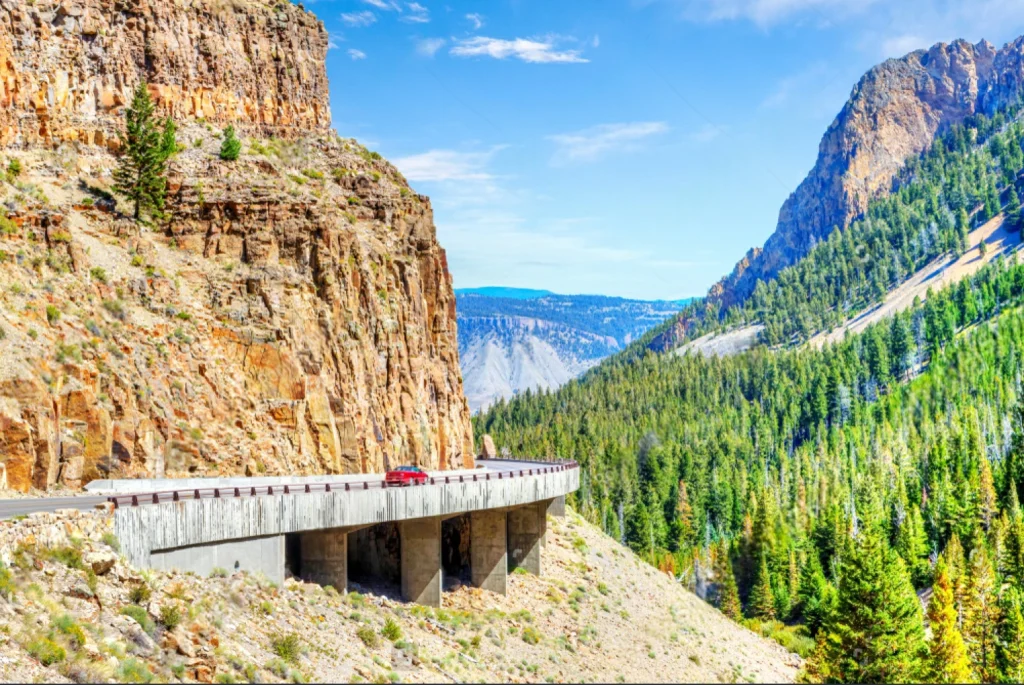
In short, tourists cannot experience the full magic of the park by rushing through the Grand Loop Road. To avoid exhaustion and truly connect with nature, visitors should dedicate at least one full day to each loop. This balanced approach guarantees a rich, rewarding travel experience.
Wildlife Spotting and Safety Guidelines
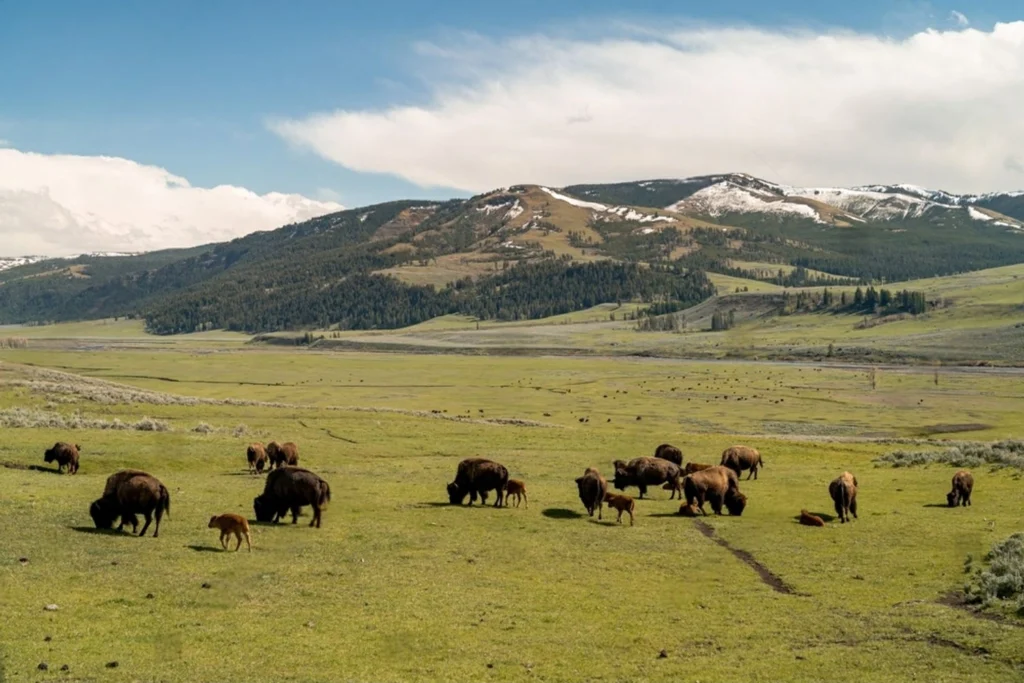
Observing animals in their natural habitat serves as the highlight of many trips to Yellowstone National Park. Because the park protects a massive, uninterrupted ecosystem, animals thrive here just as they did centuries ago. However, interacting with wildlife requires strict adherence to safety rules to protect both the visitors and the animals. Let us explore the best practices for wildlife spotting and safety.
- Keep A Safe Distance👈 Park regulations mandate that all visitors stay at least 100 yards away from bears and wolves. For all other animals, including bison, elk, and deer, tourists must maintain a distance of at least 25 yards at all times.
- Carry Bear Spray👈 Anyone planning to hike the trails must carry EPA-approved bear spray. Travelers should keep it easily accessible on a belt or backpack strap and learn how to remove the safety clip before hitting the trail.
- Visit the Lamar Valley👈 Often called “America’s Serengeti,” the Lamar Valley offers the best opportunities to see wild wolves and massive herds of bison. Visitors should arrive just before dawn for the most active animal behavior.
- Never Feed the Animals👈 Feeding wildlife alters natural foraging behavior and often leads to aggressive tendencies. Campers must keep food locked in vehicles or stored in bear-proof containers at the campsite.
- Hike in Groups👈 Bears generally avoid large, noisy groups of humans. Whenever possible, hikers should travel with three or more people, talking loudly or clapping hands in blind corners to alert animals to human presence.
- Pay Attention to Bison👈 Bison can run up to 35 miles per hour and cause more injuries to visitors than any other animal in the park. Tourists must give them plenty of room, especially during the rutting season.
By following these strict safety guidelines and utilizing smart spotting strategies, travelers guarantee a safe trip and help maintain the wild integrity of the ecosystem.
Where to Stay Inside and Outside the Park
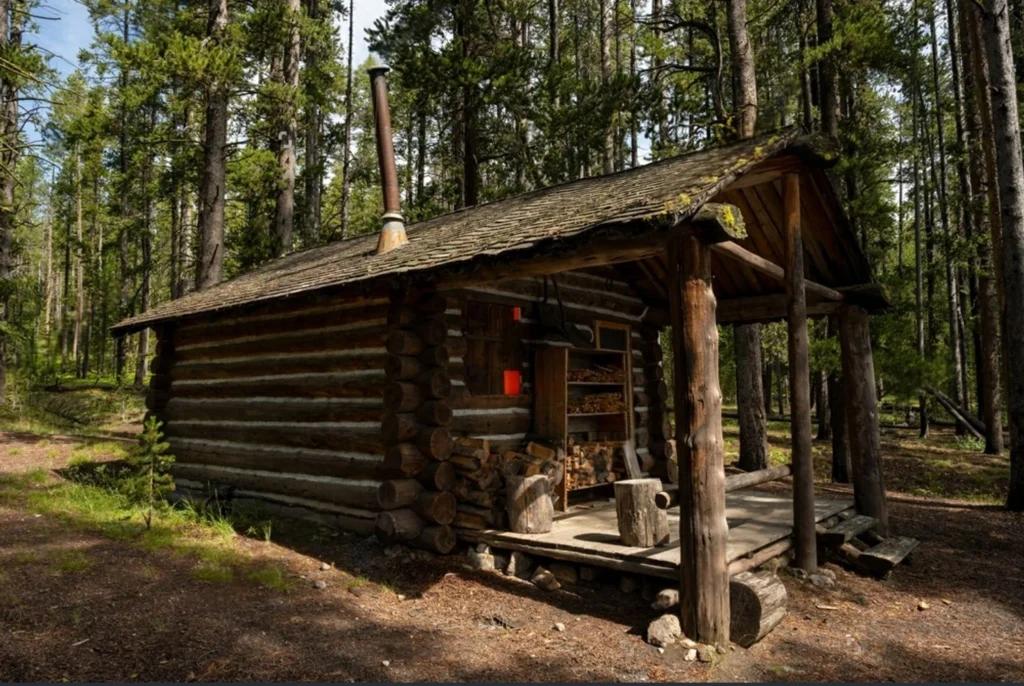
Choosing the right accommodation greatly influences the daily park experience. Tourists essentially have two options- staying inside the park boundaries or booking a room in a gateway community. Both choices offer unique advantages depending on budget and convenience needs. Securing a place to rest is vital for tourists exploring this massive reserve. Travelers looking for the best rest after a long day of hiking can find great options by reserving reliable hotels and accommodations near Yellowstone National Park. Let us explore the best approaches to lodging for this trip.
- Historic Park Lodges Booking a room at the Old Faithful Inn or the Lake Yellowstone Hotel puts visitors right in the middle of the action. Guests can wake up early and step directly out to the boardwalks before the day-trippers arrive.
- Rustic Cabins Facilities like Canyon Lodge and Roosevelt Lodge offer cozy cabins that blend nicely with the natural surroundings. They provide basic comforts while keeping travelers close to major trails and wildlife valleys.
- Campgrounds The park operates twelve campgrounds ranging from fully developed sites with showers to primitive spots deep in the woods. Pitching a tent or parking an RV connects campers directly with the sights and sounds of the forest.
- West Yellowstone, Montana This bustling gateway town sits immediately outside the West Entrance. It offers numerous hotels, family-friendly restaurants, and souvenir shops, making it an excellent base camp for travelers who want modern conveniences.
- Gardiner, Montana Located at the North Entrance right next to the historic Roosevelt Arch, Gardiner provides quick access to Mammoth Hot Springs. It maintains a charming, small-town atmosphere perfect for a quiet evening retreat.
- Jackson, Wyoming Situated south of the park, Jackson offers luxury accommodations, art galleries, and fine dining. Staying here allows tourists to easily explore Grand Teton National Park on the way up to the southern entrance of Yellowstone.
- Booking Timelines Park lodges open their reservation systems 13 months in advance. To secure preferred dates, travelers must plan ahead and book as early as possible. Cancelations do happen, so tourists should check back frequently if they miss the initial window.
- Managing Expectations It is important to note that most accommodations inside the park intentionally lack televisions, air conditioning, and reliable internet. Visitors should embrace this digital detox and focus their attention entirely on the natural wonders outside.
In summary, the choice of accommodation dictates the rhythm of the vacation. By securing a spot inside the park, travelers eliminate hours of daily driving, but gateway towns offer more dining and modern comforts. Tourists should evaluate their priorities carefully, book well in advance, and prepare to immerse themselves completely in the majestic environment of this historic reserve.
The Best Times to Visit
Selecting the right season is crucial for planning a Yellowstone National Park adventure. Every season transforms the landscape entirely, offering unique benefits and distinct challenges. Understanding the seasonal shifts allows travelers to pack correctly and set realistic expectations for their itinerary. Summer ranks as the most popular time to visit. Between June and August, all roads and visitor facilities open completely. Tourists get warm weather, vibrant wildflowers, and easy access to hiking trails. However, visitors must also navigate crowded boardwalks, fully booked hotels, and long lines at the entrance gates.
Alternatively, the shoulder seasons of spring and fall provide a peaceful escape. In May and early June, nature enthusiasts can watch baby bison calves playing in the valleys, while rushing waterfalls reach their peak flow from melting snow. September and October bring crisp mountain air, brilliant autumn foliage, and the dramatic elk rut, where male elk bugle loudly across the meadows. Travelers should be aware that services begin to shut down during the shoulder seasons, and early snowstorms can cause temporary road closures.
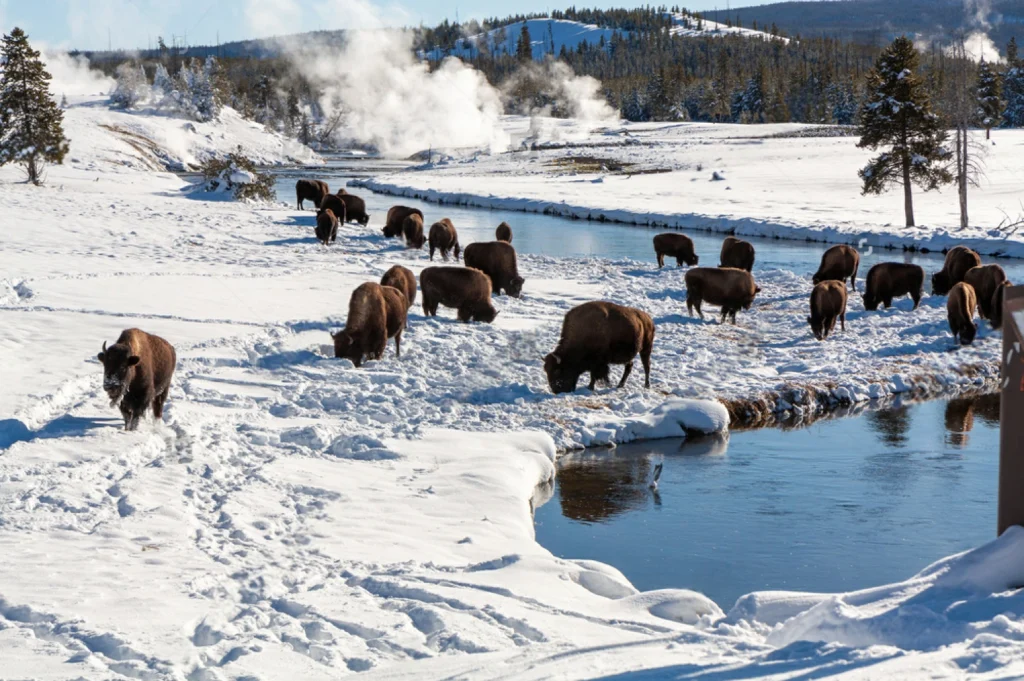
Winter offers the most radical transformation of the park. Most interior roads close to regular vehicles, requiring visitors to travel by snowcoach or snowmobile. The park becomes a silent, snowy wonderland. Tourists can watch bison forage through deep snow near steaming geysers, creating breathtaking photographic opportunities. While winter travel requires specialized planning and warm gear, it rewards visitors with unmatched solitude and a truly magical atmosphere.
Ultimately, no single season claims the title of the absolute best time to visit. The ideal time depends entirely on what travelers wish to experience—whether that is full accessibility under the summer sun, baby animals in the spring, or the profound, icy silence of a winter snowcoach tour.
Essential Packing List and Tips
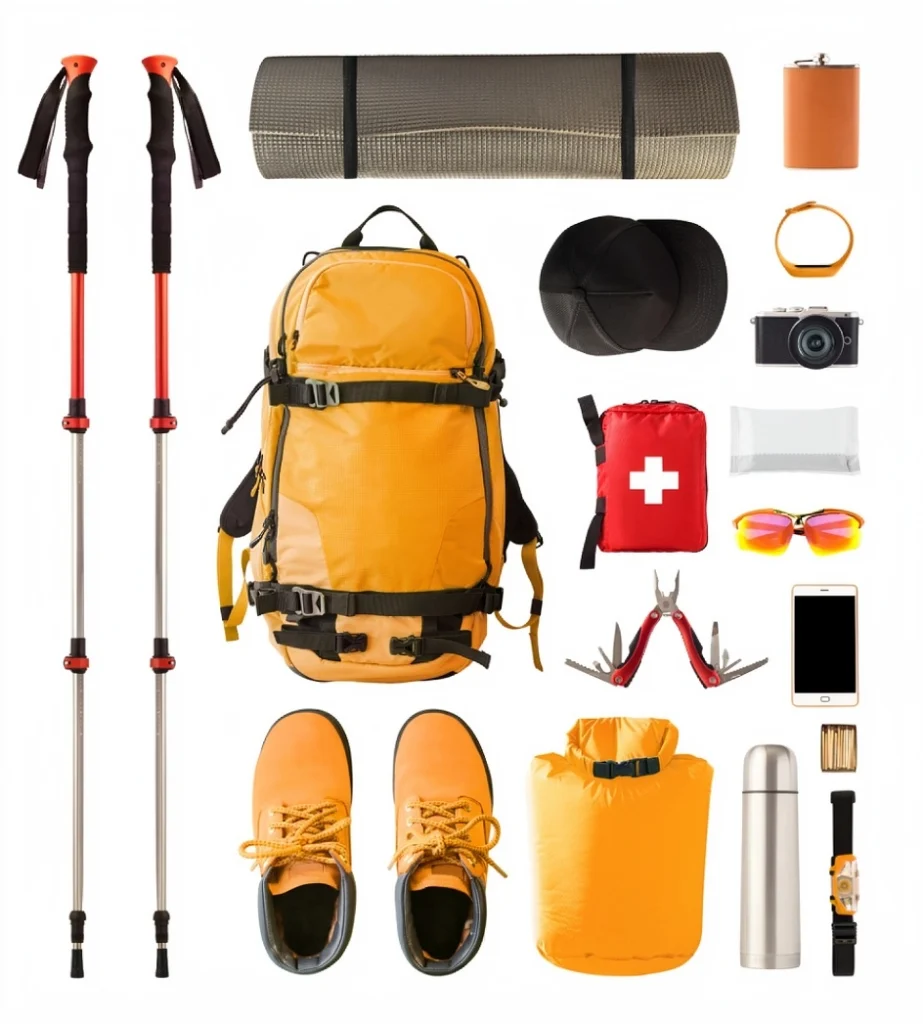
- Sturdy, broken-in hiking boots.
- Moisture-wicking base layers.
- A waterproof rain jacket.
- Bear spray and a sturdy holster.
- High-quality binoculars or a spotting scope.
- A reusable water bottle or hydration pack.
- A physical paper map of the park roads.
Therefore, travelers should take the time to review their packing list carefully before leaving home. When tourists arrive with the right gear, they face the changing mountain weather with confidence, ensuring a comfortable and memorable journey through the park.
Conclusion