The Middle East holds some of the most fascinating history on our planet. Many travelers dream of exploring ancient wonders and connecting with the past. While famous landmarks like Petra in Jordan or the Pyramids in Egypt draw millions of visitors each year, the region hides countless other breathtaking treasures. If you want to experience the magic of history without the overwhelming crowds, you must explore the lesser-known UNESCO Sites Middle East has to offer. This guide will take you off the beaten path to discover incredible destinations that promise authentic cultural experiences, stunning architecture, and unforgettable memories.
Thank you for reading this post, don't forget to subscribe!Stepping away from typical tourist routes allows travelers to see a different side of the world. You can wander through ancient desert castles, marvel at prehistoric oasis settlements, and walk along the forgotten ruins of grand empires. Supporting off-the-beaten-path cultural tourism also helps distribute tourist traffic, which protects delicate historical sites from over-tourism. Furthermore, visiting these hidden gems injects vital tourism revenue into local communities that rarely see large tour groups.
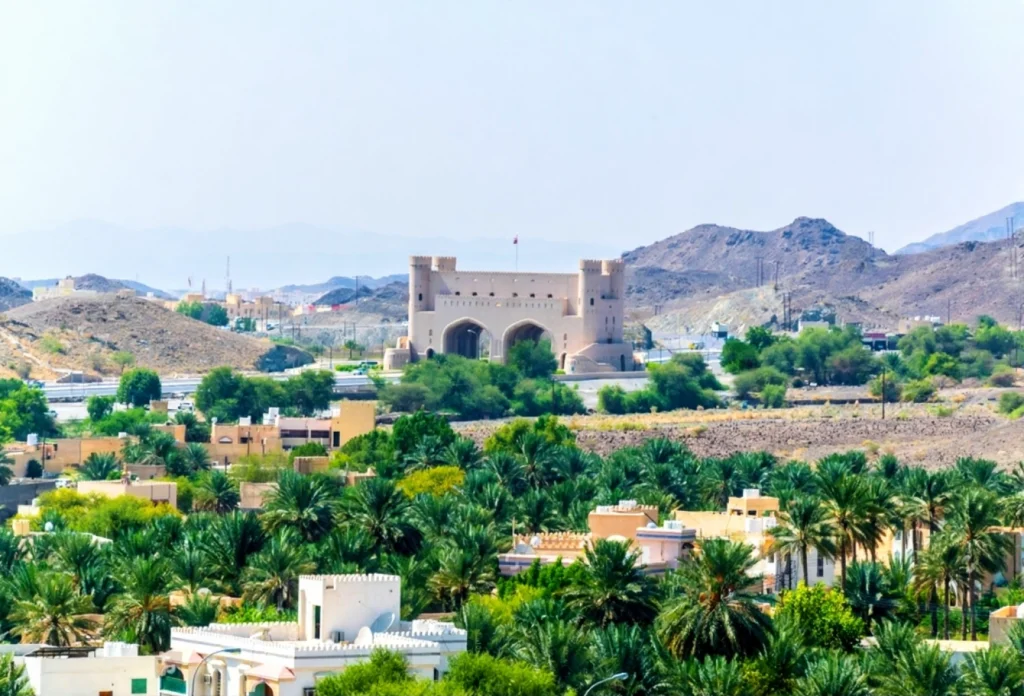
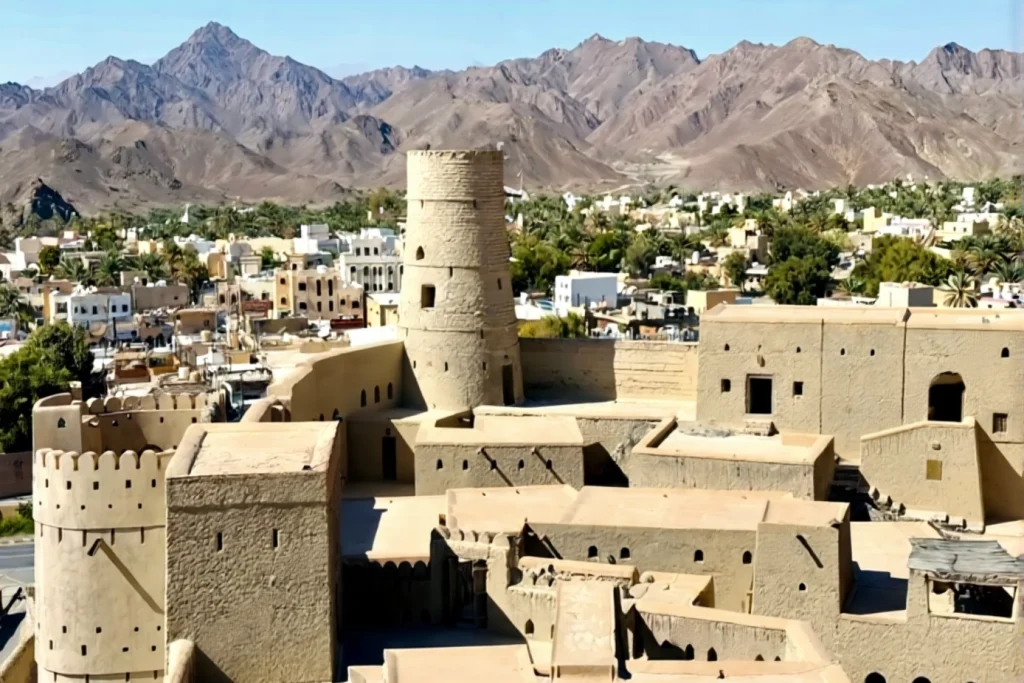
– Bahla Town at Bahla Fort in Ad Dakhiliyah, Oman –
Why Choose Underrated Heritage Sites?
Choosing to visit lesser-known locations changes your entire travel experience. When you avoid the massive crowds, you gain the time and space to truly appreciate the history around you. You can hear the wind sweeping through ancient ruins and take stunning photographs without dozens of people blocking your view. Moreover, locals in these quieter areas often welcome visitors with incredible warmth and genuine hospitality. Travelers looking for meaningful connections will find these destinations incredibly rewarding. Consider the following benefits of exploring hidden destinations.
- Enjoying peaceful exploration without the stress of long lines and crowded pathways.
- Capturing unique photography that stands out from the typical vacation pictures everyone posts online.
- Connecting directly with local guides and residents who share fascinating, personal stories about their heritage.
- Saving money, as lesser-known destinations usually offer more affordable entrance fees, food, and nearby accommodations.
- Protecting famous monuments by reducing the environmental and physical strain caused by mass tourism.
- Discovering new architectural styles, ancient trade route secrets, and unique landscapes that mainstream tours ignore.
In short, breaking away from standard itineraries opens up a world of discovery. You become an explorer rather than just a tourist. Let us dive into some of the most remarkable, hidden UNESCO Sites Middle East travelers need to add to their bucket lists.
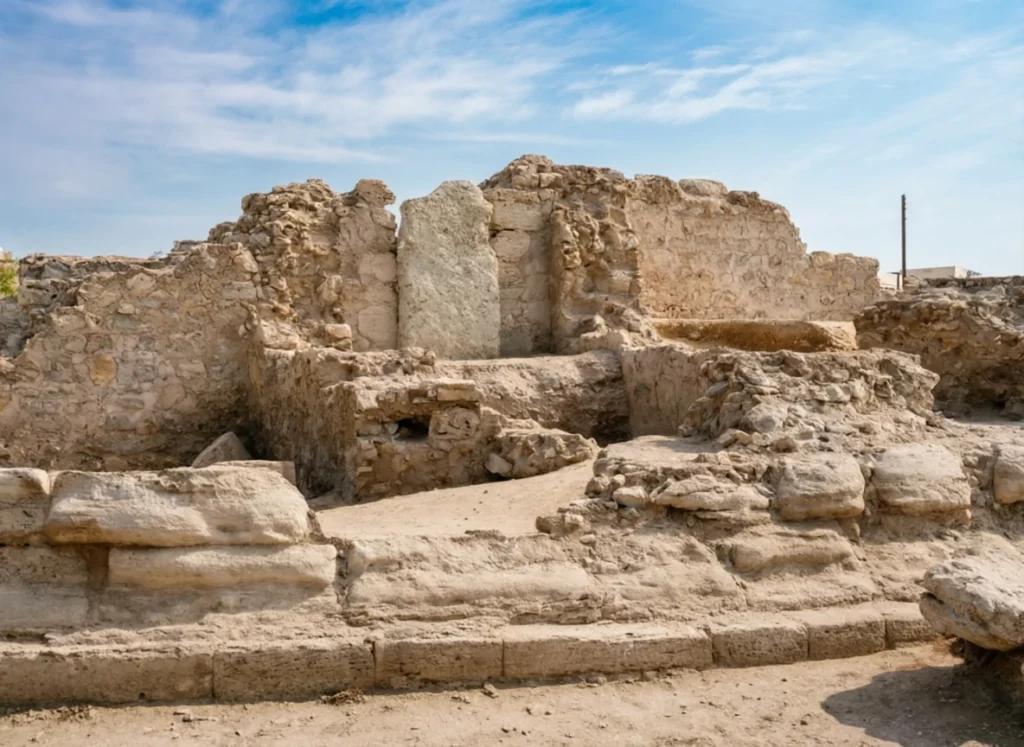
– Bahrain - A'ali - Dilmun Burial Mounds Ruins –
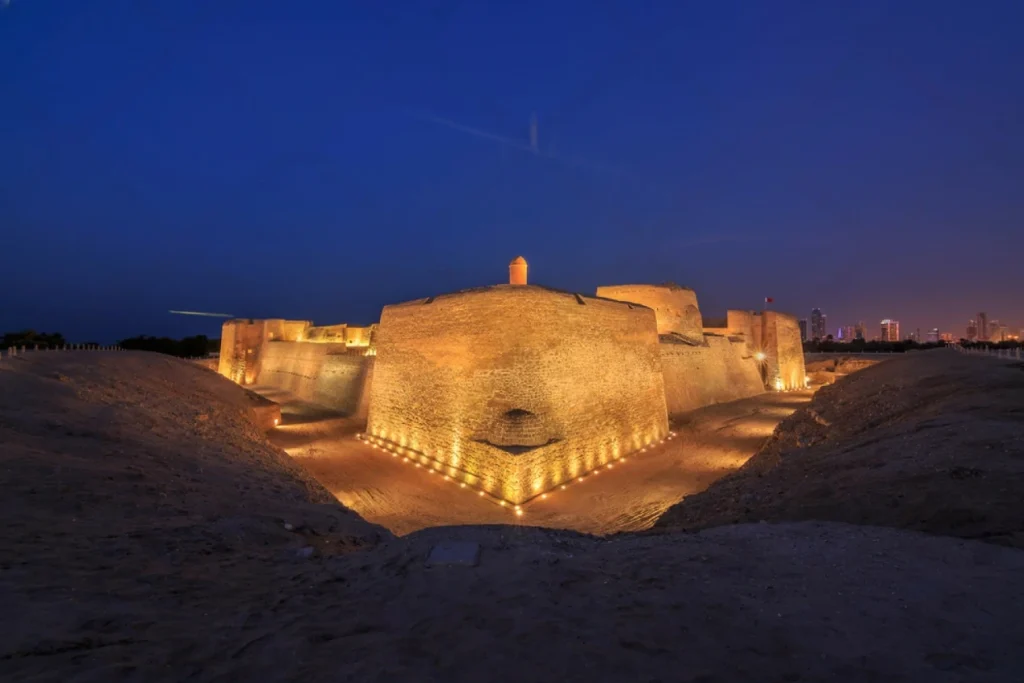
Qal’at al-Bahrain – The Ancient Harbor (Bahrain)
The island nation of Bahrain holds a spectacular secret just a short drive from its modern capital, Manama. Qal’at al-Bahrain, also known as the Bahrain Fort, represents the heart of the ancient Dilmun Empire. For thousands of years, this site served as a vital trading hub connecting Mesopotamia with the Indus Valley. Today, visitors can explore layers upon layers of human history stacked on an artificial mound created by centuries of rebuilding.
- Rich Layered History Archaeologists have uncovered residential, commercial, and religious buildings dating back over 4,000 years. The Portuguese fort at the very top provides a dramatic crown to the ancient city below.
- Stunning Museum A beautifully designed museum sits adjacent to the archaeological site. It displays fascinating artifacts, ancient seals, and pottery that tell the story of the Dilmun civilization.
- Sunset Views The fort offers breathtaking views of the surrounding palm groves and the modern Manama skyline. Evening visits provide perfect lighting for photography as the sun sets over the Persian Gulf.
Travelers planning a trip to Bahrain should easily find comfortable stays. Visitors can book modern hotels in Manama through reliable online accommodation platforms, ensuring a short and easy commute to the fort. Additionally, renting a car allows travelers to explore other nearby historical sites at their own pace.
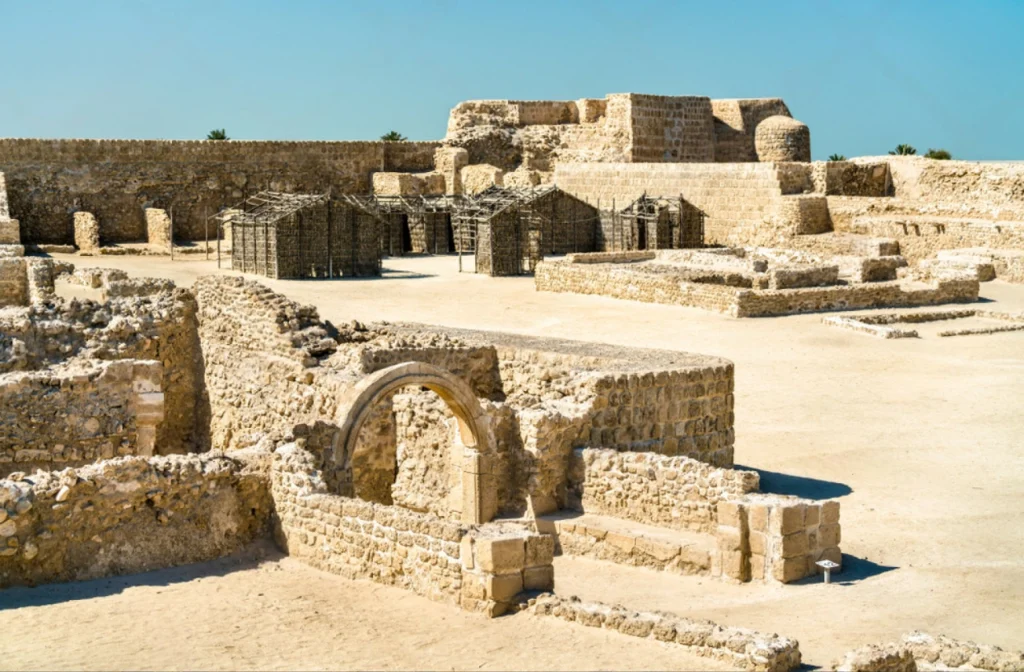
– Bahrain Fort or Qal'at al-Bahrain. A UNESCO World Heritage Site in the Middle East –
Al Zubarah Archaeological Site (Qatar)
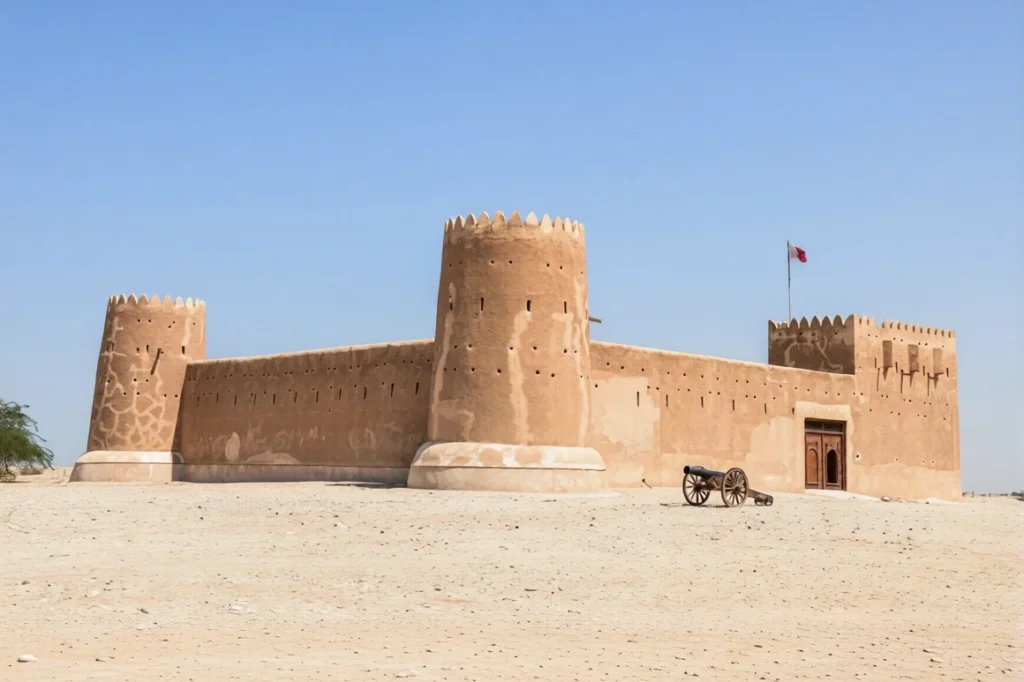
When people think of Qatar, they usually picture the futuristic skyline of Doha. However, the northwest coast of the peninsula hides the pristine Al Zubarah Archaeological Site. During the 18th and 19th centuries, Al Zubarah flourished as a massive pearl diving and trading center. Eventually, conflicts and changing trade routes caused the town to decline, and the desert sands swallowed it whole. Today, this abandoned town offers a flawless snapshot of traditional Gulf urban life.
- The Majestic Fort 📌 The iconic Zubarah Fort stands proudly at the entrance of the site. Built in 1938, it now serves as a visitor center detailing the history of the region.
- The Buried City 📌 Excavations reveal palaces, courtyard houses, mosques, and fishermen’s huts. The sand protected these structures perfectly, preserving the original street layouts.
- Pearl Diving Heritage 📌 Al Zubarah highlights the dangerous and lucrative pearl diving industry that sustained the Gulf long before the discovery of oil.
To get the most out of a visit to Al Zubarah, travelers can book guided day tours from Doha. Trusted travel platforms offer excellent tour packages that include transportation, a knowledgeable local guide, and bottled water to combat the desert heat. Booking a desert safari that includes a stop at Al Zubarah makes for an unforgettable adventure.
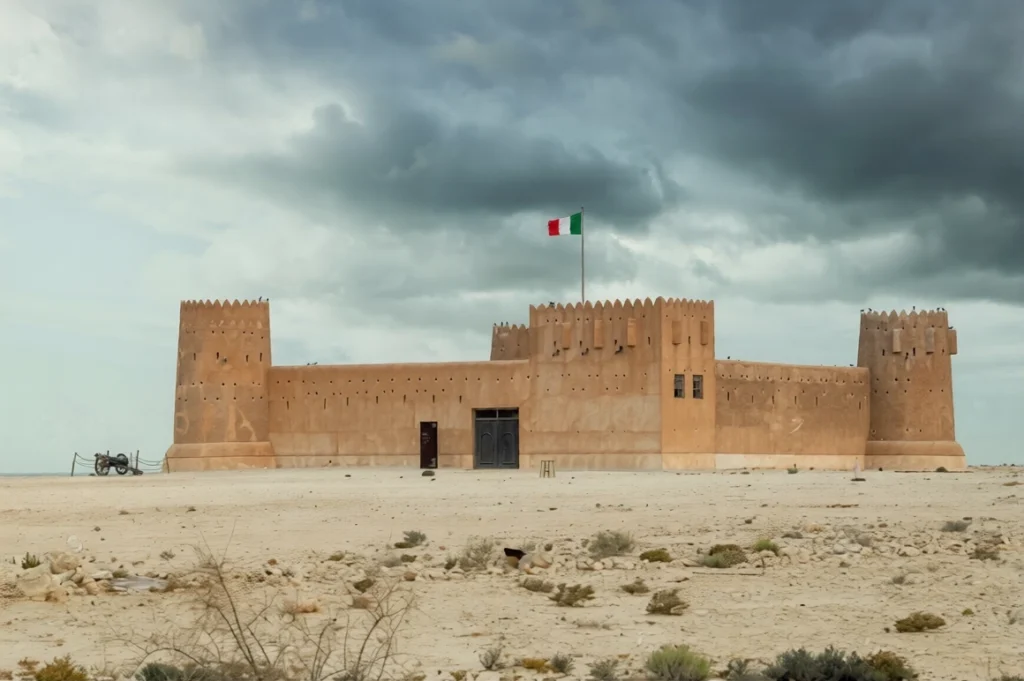
– Doha, Qatar - Al Zubara Fort, a historic military fortress in Qatar –
Bahla Fort and Oasis (Oman)
Oman naturally charms visitors with its dramatic mountains and welcoming culture. Nestled at the base of the Jebel Akhdar highlands, the immense Bahla Fort stands as a testament to the power of the Banu Nebhan tribe, who dominated the region from the 12th to the 15th century. This massive mud-brick fortress features intricate defensive walls that stretch for miles around the surrounding oasis. It is a masterpiece of unbaked earthen architecture.
Exploring Bahla feels like walking through a living fairy tale. The fort dominates the landscape, featuring wind towers, deep wells, and mysterious secret passages. Beyond the fort walls, the traditional Bahla oasis thrives with date palms and ancient irrigation systems known as *aflaj*. The local community still uses these ancient water channels today.
Bahla is also famous for its traditional pottery. Visitors can watch local artisans spinning clay and creating beautiful pots using techniques passed down through generations. Travelers looking for authentic souvenirs will find incredible pieces here.
Travelers visiting Oman should definitely consider renting a 4×4 vehicle through global car rental agencies. A road trip through the Omani mountains offers complete freedom to visit Bahla Fort, nearby Nizwa, and the stunning mountain villages. Booking cozy traditional guesthouses in the area provides a deeply authentic cultural experience.
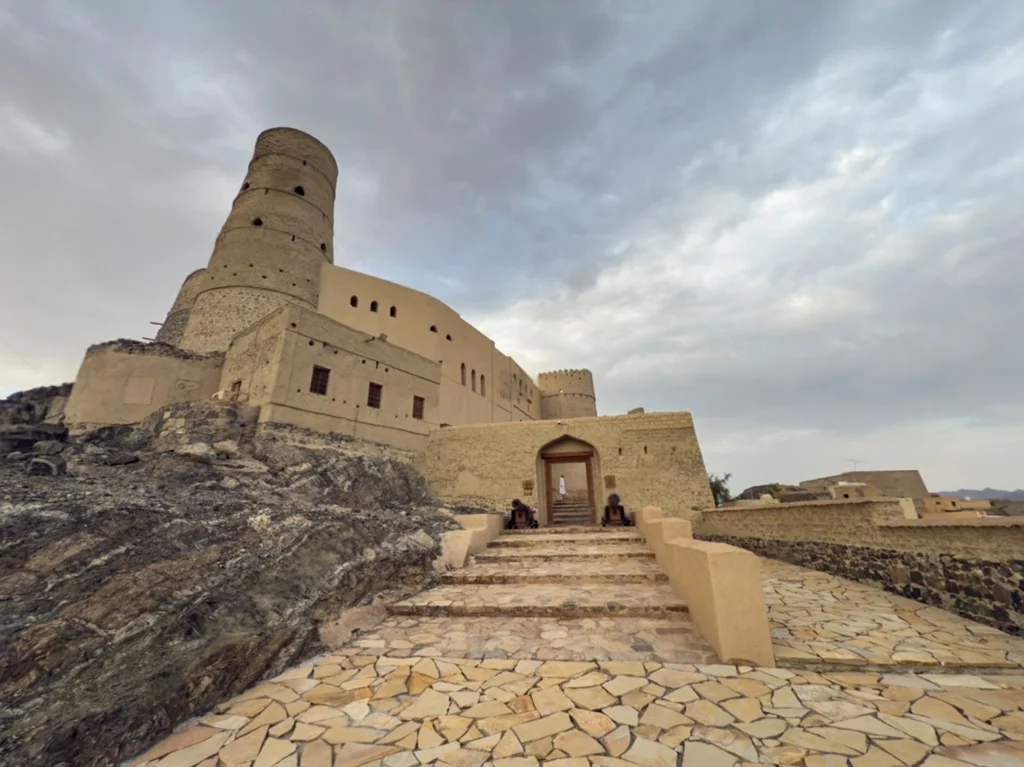
– Bahla Fort in Oman showcasing its historic mud architecture and defensive towers under a dramatic cloudy sky. bahla, Oman –
Quseir Amra (Jordan)
While Petra and the Dead Sea take the spotlight in Jordan, the eastern desert holds a remarkable treasure. Quseir Amra is an early Islamic desert castle built in the early 8th century by the Umayyad caliph Walid II. From the outside, the small limestone building looks quite modest. However, stepping inside reveals one of the most surprising artistic sites in the entire Middle East.
The interior walls and ceilings feature extraordinary, vibrant frescoes. These paintings depict scenes completely unexpected in early Islamic art. You will see images of hunting, musicians, dancing women, and even the zodiac symbols painted on the ceiling of a hot bathhouse. The artwork provides a rare glimpse into the secular, leisurely lifestyle of the Umayyad royal court.
- The Bathhouse Structure The building functioned primarily as a royal retreat and a traditional Roman-style bathhouse (hammam), complete with changing rooms, warm rooms, and hot rooms.
- The Zodiac Dome The hot room features a beautifully painted dome representing the night sky, considered one of the earliest surviving depictions of the zodiac on a hemispherical surface.
- Easy Accessibility Located just an hour’s drive from Amman, Quseir Amra makes a perfect half-day trip away from the bustling city.
Tourists can easily arrange desert castle tours through reputable online activity platforms. Many itineraries bundle Quseir Amra with other nearby desert forts, offering a comprehensive historical day trip. For flights into Amman, travelers can compare airlines online to secure the best seasonal deals.
The interior walls and ceilings feature extraordinary, vibrant frescoes. These paintings depict scenes completely unexpected in early Islamic art. You will see images of hunting, musicians, dancing women, and even the zodiac symbols painted on the ceiling of a hot bathhouse. The artwork provides a rare glimpse into the secular, leisurely lifestyle of the Umayyad royal court.
- The Bathhouse Structure The building functioned primarily as a royal retreat and a traditional Roman-style bathhouse (hammam), complete with changing rooms, warm rooms, and hot rooms.
- The Zodiac Dome The hot room features a beautifully painted dome representing the night sky, considered one of the earliest surviving depictions of the zodiac on a hemispherical surface.
- Easy Accessibility Located just an hour’s drive from Amman, Quseir Amra makes a perfect half-day trip away from the bustling city.
Tourists can easily arrange desert castle tours through reputable online activity platforms. Many itineraries bundle Quseir Amra with other nearby desert forts, offering a comprehensive historical day trip. For flights into Amman, travelers can compare airlines online to secure the best seasonal deals.
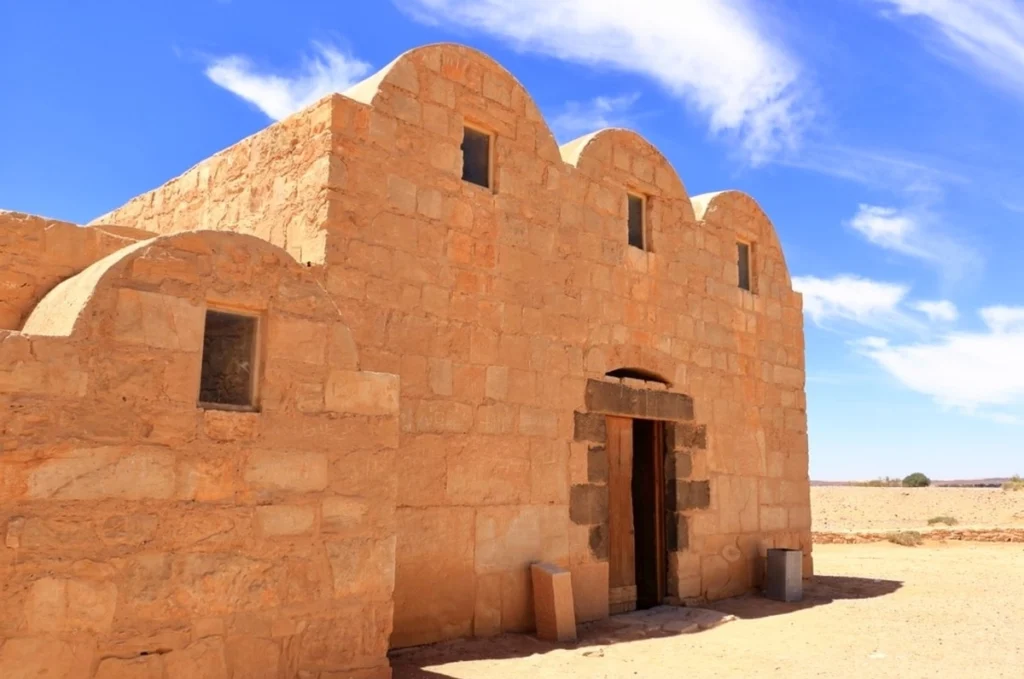
– The Exterior of the Amra desert castle (Qasr Amra) near Amman, Jordan –
Al-Ahsa Oasis (Saudi Arabia)
Saudi Arabia recently opened its doors to international tourism, revealing incredible sites that the outside world rarely sees. Among these is the Al-Ahsa Oasis, the largest self-contained oasis in the world. With over 2.5 million date palm trees, this lush green paradise sits in stark contrast to the surrounding Rub’ al Khali (Empty Quarter) desert. Al-Ahsa represents a brilliant example of how human societies have managed scarce water resources to thrive in harsh environments.
Visitors to Al-Ahsa can explore a vast network of springs, canals, wells, and historical buildings. The landscape includes ancient forts, traditional markets, and stunning natural caves. The Al Qarah Mountain caves offer a magical experience; the natural limestone corridors stay surprisingly cool in the summer and warm in the winter. Exploring these winding caves feels like stepping into another world.
UNESCO Site | Country | Main Attraction | Best Time to Visit |
Qal’at al-Bahrain | Bahrain | Ancient Dilmun harbor and Portuguese fort | November to March |
Al Zubarah | Qatar | Preserved 18th-century pearl diving town | December to February |
Bahla Fort | Oman | Massive earthen fortress and traditional oasis | October to April |
Quseir Amra | Jordan | Early Islamic frescoes and royal bathhouse | March to May, Sept to Nov |
Al-Ahsa Oasis | Saudi Arabia | Millions of date palms and natural limestone caves | November to March |
Tyre | Lebanon | Roman hippodrome and seaside ruins | April to June, Sept to Oct |
For travelers looking to discover Saudi Arabia, booking domestic flights to Al-Ahsa Airport is highly convenient. Visitors can find luxury and boutique hotels nearby by browsing trusted travel accommodation sites. Enjoying fresh dates straight from the local farms is an absolute must-do activity.
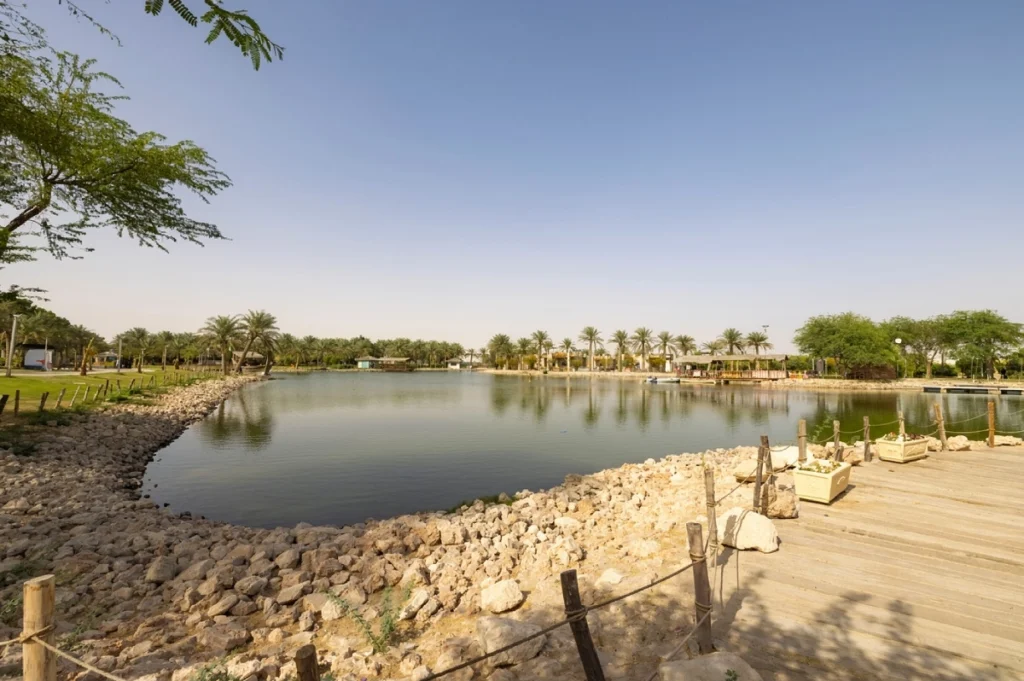
– Discover the Wonders of Al-Ahsa Oasis | A UNESCO World Heritage Site –
Tyre (Lebanon)
Lebanon boasts incredible history along its Mediterranean coastline. While many tourists visit the famous ruins of Byblos or Baalbek, the ancient city of Tyre in the south remains delightfully quiet. Tyre was once a powerful Phoenician city-state, famous for producing rare purple dye from sea snails—a color so expensive that only royalty could afford it.
Today, Tyre offers visitors sweeping Roman ruins located right next to the crystal-clear waters of the Mediterranean Sea. The site boasts the largest and best-preserved Roman Hippodrome in the world, where chariots once raced in front of cheering crowds. You can walk beneath massive triumphant arches, wander through ancient necropolises, and admire intricate mosaic floors.
Because Tyre receives fewer tourists, visitors can explore the ruins at a relaxed pace. Afterward, travelers can enjoy fresh seafood at a local seaside restaurant. When planning a trip to Lebanon, travelers can easily rent a car or hire a driver through local online booking platforms to take them down the scenic coastal road from Beirut to Tyre.
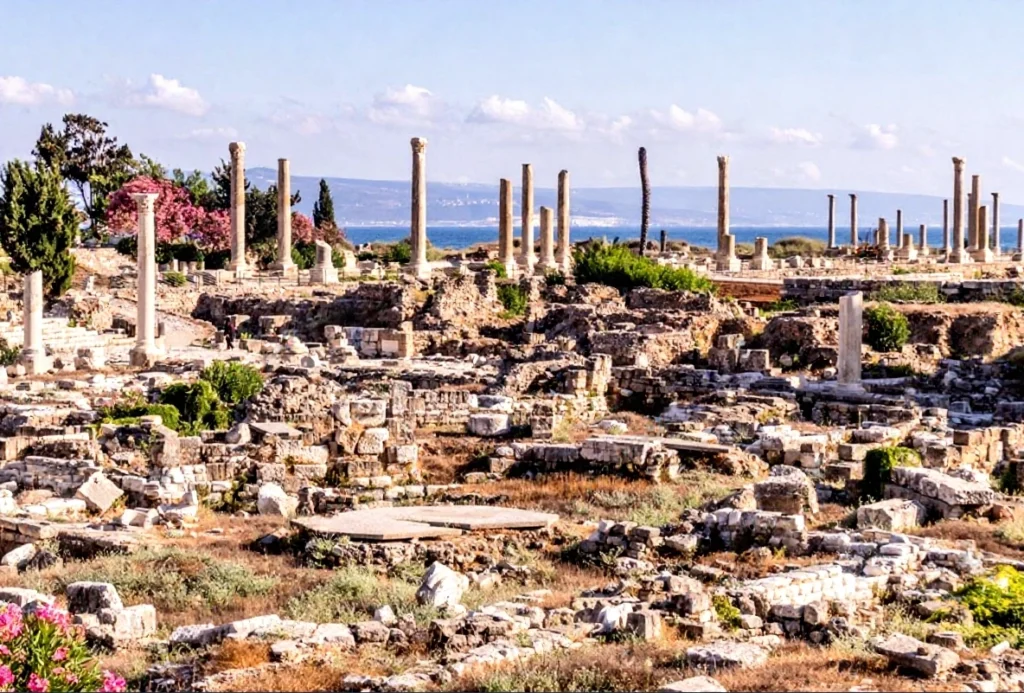
– Al Mina archaeological site in Tyre, Lebanon –
Essential Travel Tips for Hidden Gem Exploration
Visiting lesser-known UNESCO Sites Middle East requires a bit more planning than standard tourist traps. Since these locations do not cater to massive crowds, you need to prepare accordingly to ensure a smooth and enjoyable trip. Here are essential strategies for off-the-beaten-path travel in the Middle East.
- Hire Local Guides 📌 Since informational plaques might be scarce at hidden sites, hiring a local guide brings the history to life. You can book certified local guides through reputable travel activity websites.
- Dress Respectfully 📌 Many of these sites sit near traditional villages. Visitors should dress modestly, covering shoulders and knees, to show respect for local cultures and customs.
- Carry Cash 📌 While cities in the Middle East use credit cards everywhere, small towns near ancient sites might only accept cash for souvenirs, snacks, or small entrance fees.
- Plan Your Transport 📌 Public transport to remote archaeological sites can be unreliable. Travelers secure the best experience by renting a car or booking private transfers via reliable travel platforms.
- Stay Hydrated 📌 Desert climates get extremely hot, especially from May to September. Always carry plenty of water and wear sun protection when exploring open-air ruins.
- Check Visa Requirements 📌 Visa rules in the Middle East change frequently. Travelers should verify e-visa requirements online before booking their flights and accommodations.
By following these preparation steps, you ensure that your historical exploration remains safe, comfortable, and deeply rewarding.
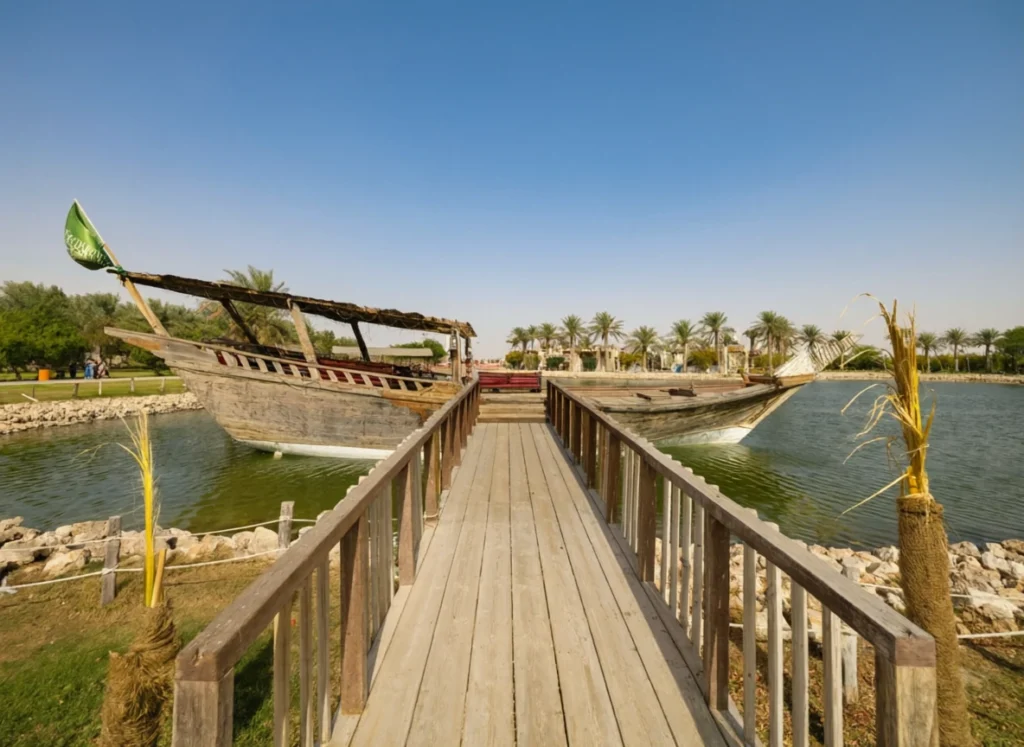
– Hofuf, Jawatha Park historical site near Hofuf, Al Hasa Oasis, Saudi Arabia –
Turn Your Historical Dreams into Reality
Reading about these magnificent places is only the first step. The true magic happens when you finally walk through the gates of a silent, ancient fortress or stand beneath the painted dome of a desert castle. The Middle East welcomes travelers with open arms, and local communities take immense pride in sharing their heritage with the world.
Booking your cultural adventure has never been easier. Travelers can start by finding competitive airfare to major hubs like Amman, Doha, or Manama using major flight comparison websites. From there, creating an itinerary that blends famous landmarks with these hidden gems creates the perfect travel balance.
When searching for places to stay, travelers should explore platforms that offer diverse accommodations. You can choose a luxurious modern hotel in the city center or a cozy, traditional guesthouse near the historical sites. Furthermore, reserving excursions, such as desert safaris or archaeological tours, through trusted online tour providers guarantees a seamless, stress-free experience.
Do not wait to explore the lesser-known wonders of the world. Venturing off the typical tourist path enriches your travel experience, supports local communities, and allows you to discover the true soul of a region. Start planning your unique journey to the Middle East today, and prepare to be amazed by the history that awaits.
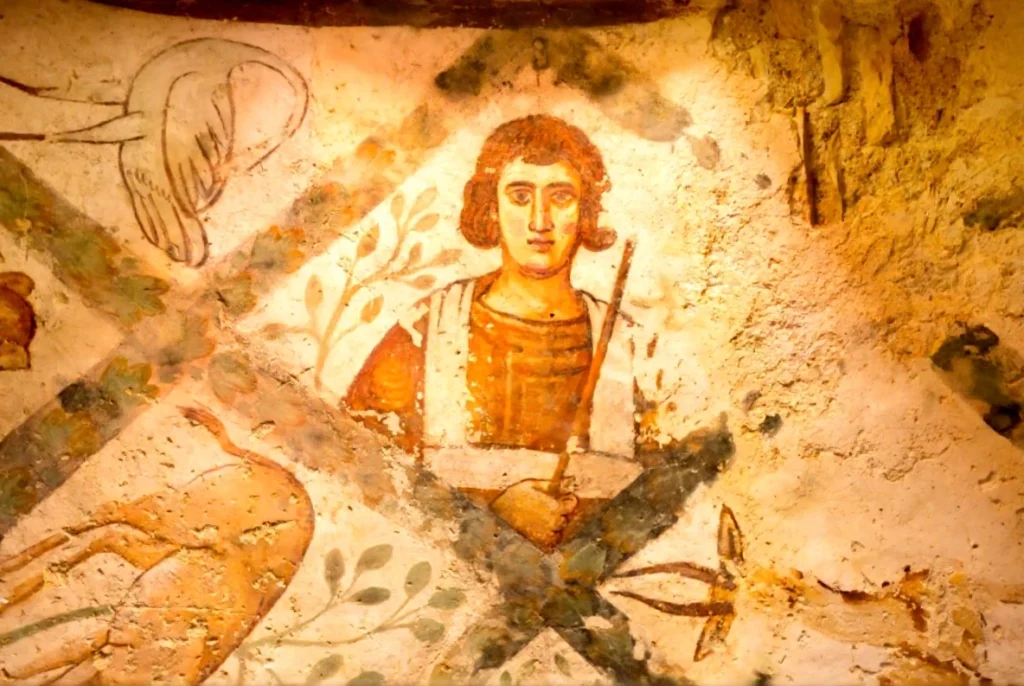
– Qusayr Amra or Quseir Amra, Jordan - Frescoes of Qasr Amra, one of the desert castles –
Conclusion
Ultimately, exploring the underrated UNESCO Sites Middle East offers a profound alternative to standard vacation packages. Travelers who choose to visit places like Bahla Fort, Quseir Amra, or the Al-Ahsa Oasis reward themselves with rich, uncrowded, and deeply authentic experiences. These hidden gems hold the whispers of ancient merchants, kings, and everyday people who shaped the history of human civilization.
By blending careful preparation with a sense of adventure, anyone can embark on a journey through time. Remember to utilize reputable travel booking platforms to secure your flights, comfortable accommodations, and knowledgeable local guides. Embrace the spirit of discovery, respect the local heritage, and allow the hidden treasures of the Middle East to leave a lasting mark on your heart.