
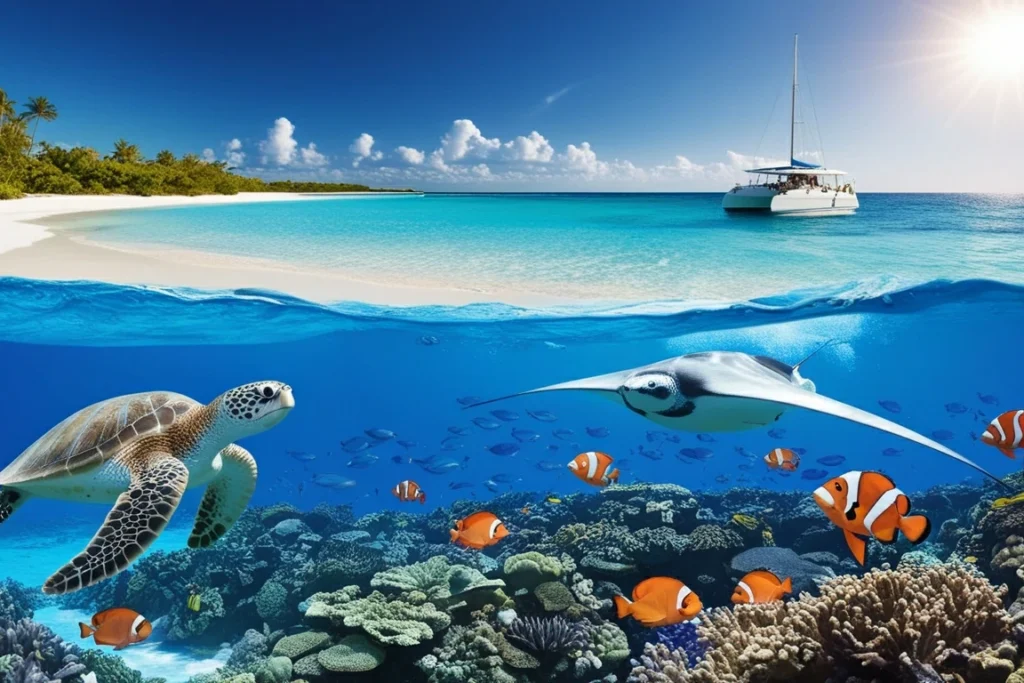
Visiting The Great Barrier Reef remains a dream for millions of travelers around the world. Stretching over 1,400 miles along the coast of Queensland, Australia, this natural wonder is so massive that astronauts can see it from space. But planning a trip to such a massive destination can feel overwhelming. Travelers need to know the best activities, the top locations, and how to spend their travel budget wisely.
Thank you for reading this post, don't forget to subscribe!As a designated UNESCO World Heritage Site, this marine park holds immense ecological value. It houses thousands of fish species, hundreds of coral types, and marine life found nowhere else on earth. Therefore, visits should not only be fun but also responsible. This guide breaks down the absolute best experiences. It helps visitors build the perfect itinerary while supporting sustainable tourism and reef conservation.
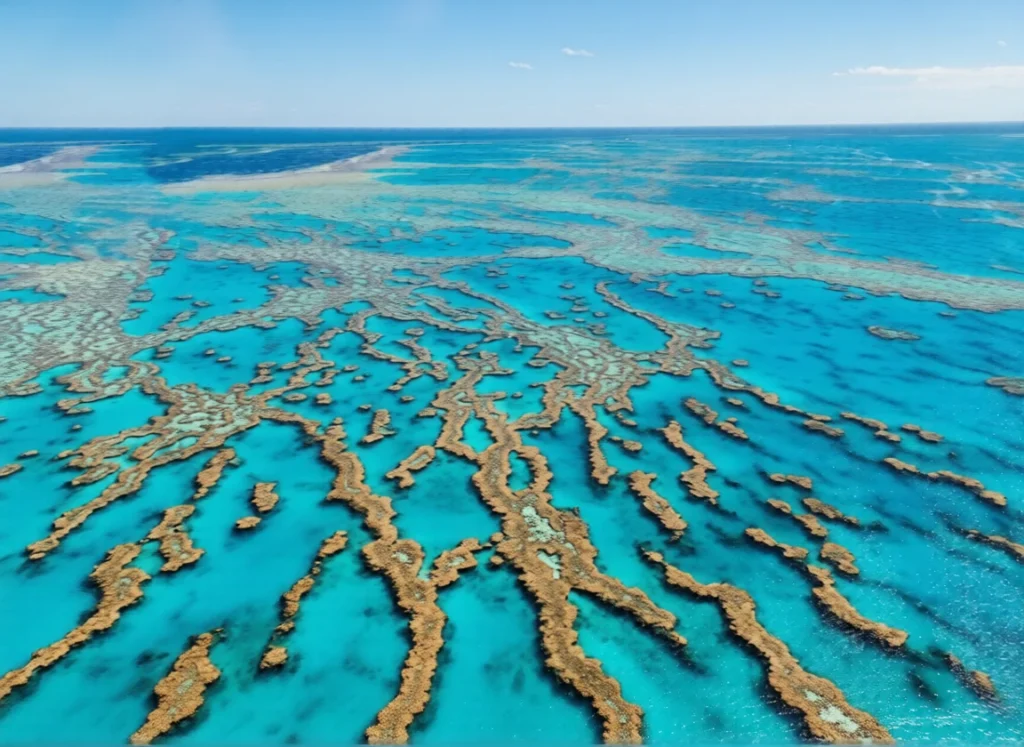
When travelers arrive at this remarkable destination, they unlock a world of vibrant colors, majestic marine animals, and lush island landscapes. Whether visitors love active water sports or prefer relaxing scenic views, everyone will find something perfectly suited to their taste. Let us explore the top ten activities that will make any trip truly unforgettable.
1. Snorkel in the Crystal Clear Waters
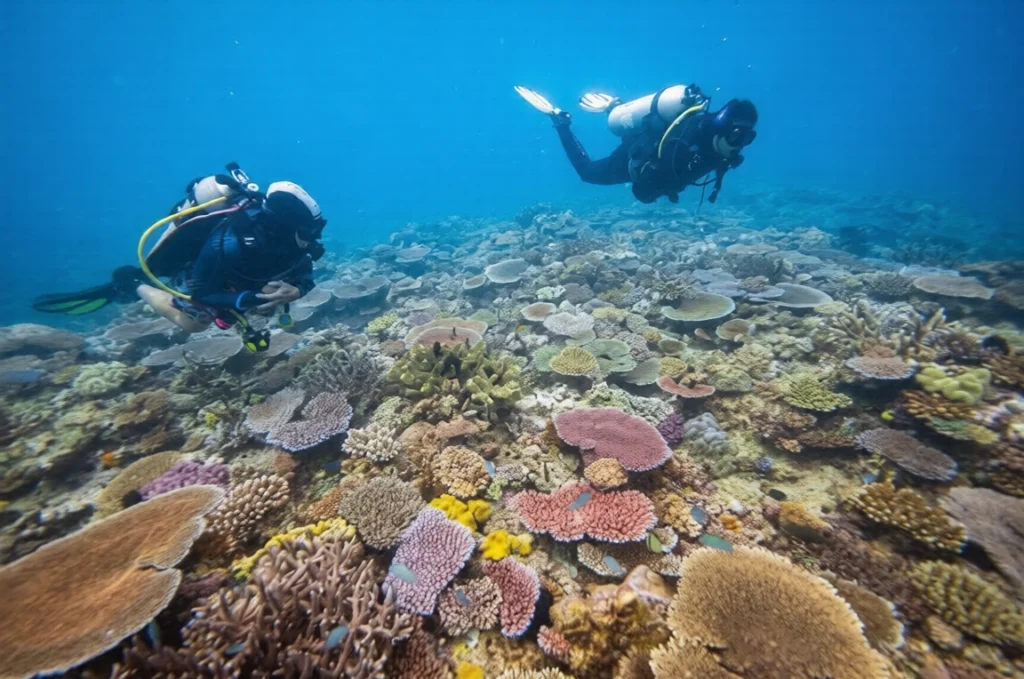
Snorkeling is the most popular and accessible way to experience The Great Barrier Reef. Guests do not need any special certification, and people of almost all ages can participate. The warm, crystal-clear waters offer visibility that often exceeds 100 feet. The moment snorkelers put their faces in the water, a vibrant underwater city comes to life.
Choose the Right Spot 📌 Opt for outer reef locations like the Agincourt Ribbon Reefs. They offer healthier coral and clearer water than the inner reefs closer to the mainland.
Wear Reef-Safe Sunscreen 📌 Standard sunscreens contain chemicals that harm corals. Always buy biodegradable, mineral-based sunscreens to protect the delicate ecosystem.
Listen to the Guides 📌 Marine biologists often lead snorkeling tours. They point out hidden sea turtles, giant clams, and colorful clownfish while teaching guests how to float without touching the coral.
Remember to move slowly in the water. Fast movements can scare away the fish and stir up sand. Floating gently allows the marine life to accept human presence, giving snorkelers a much closer look at the natural ecosystem.
2. Scuba Dive to See Vibrant Coral Gardens
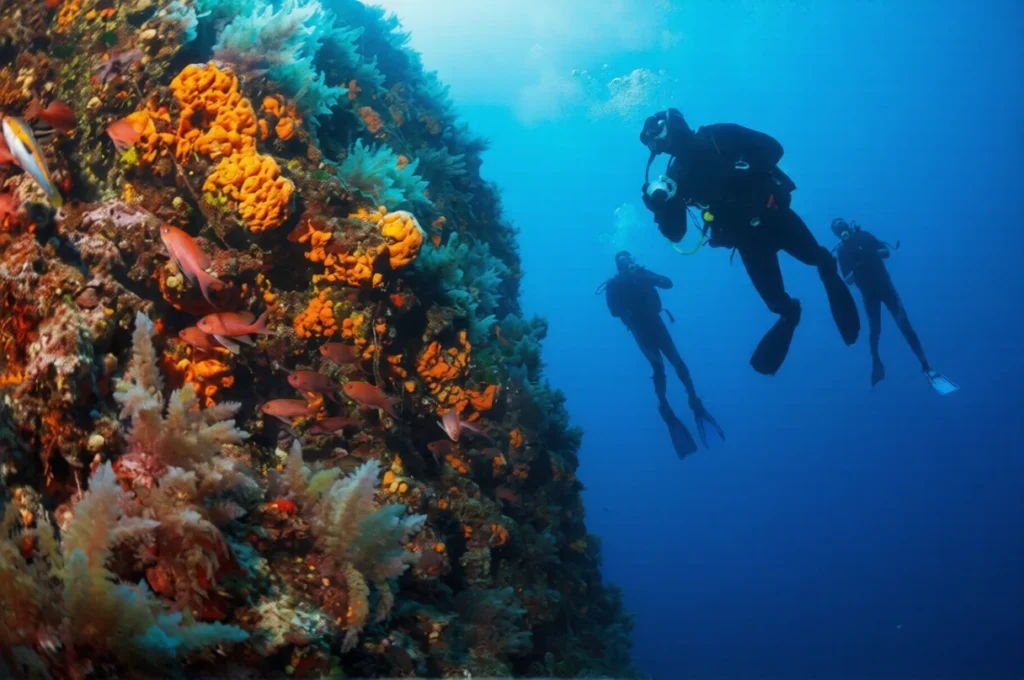
- Introductory Dives If guests do not have a license, many tour operators offer introductory dives. An instructor holds the diver’s hand and guides them through shallow, safe reef sections.
- Advanced Diving Sites Certified divers should visit the SS Yongala wreck or the Cod Hole. These famous spots feature giant groupers, reef sharks, and massive schools of trevally.
- Eco-Certified Dive Shops Always book with dive operators that hold an advanced eco-certification. They follow strict rules to ensure divers do not damage the fragile environment.
Secure Eco-Friendly Tours – Tourists wanting to guarantee their spot on diving trips, snorkeling adventures, or scenic cruises out of Cairns should book in advance. Booking guided tours ensures a seamless and responsible adventure. Explore top Cairns tours and activities.
3. Take a Scenic Helicopter or Seaplane Flight
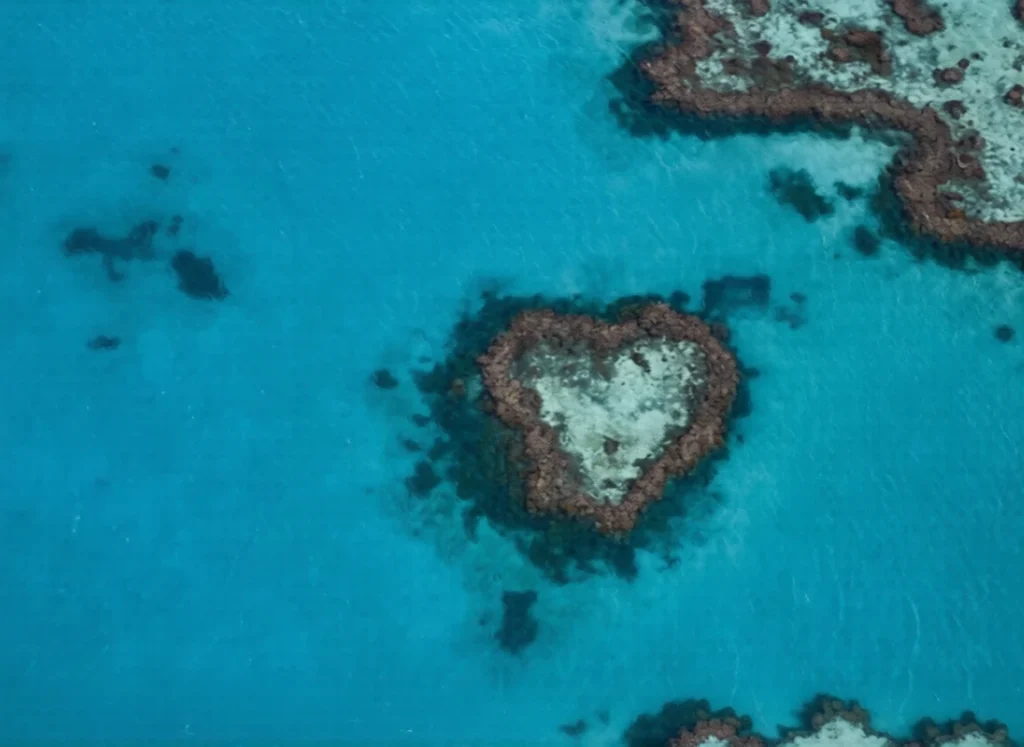
Visitors cannot truly grasp the immense scale of The Great Barrier Reef until they view it from above. A scenic helicopter flight or seaplane ride gives travelers a spectacular aerial perspective. Passengers will see vibrant turquoise waters contrasting with deep blue ocean channels and bright white sand cays.
One of the most famous sights from the air is Heart Reef. Located in the Whitsundays, this natural coral formation is shaped exactly like a heart. Since boats cannot enter the protected waters around Heart Reef, flying over it remains the only way to see this iconic landmark.
Many tour companies offer fly and cruise packages. Tourists can fly out to a pontoon, enjoy a few hours of swimming, and then sail back on a comfortable boat. This combination maximizes vacation time and gives guests two completely different views of the region.
4. Sail on a Glass-Bottom Boat Tour
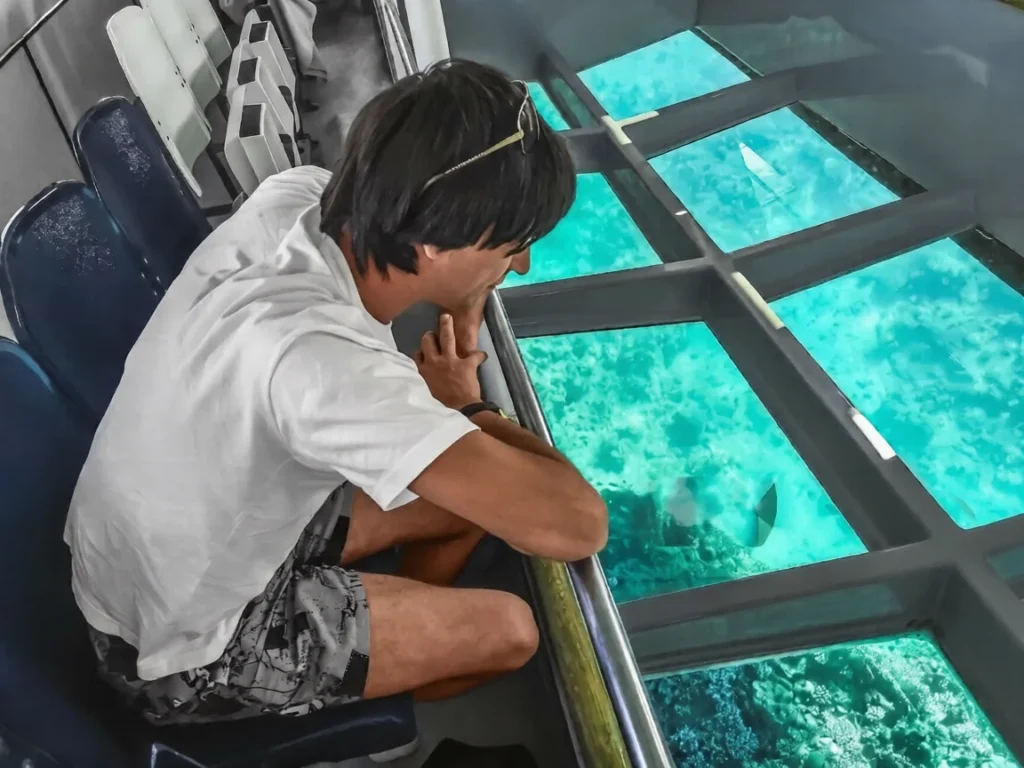
- Perfect for Families 📌 Young children and elderly travelers can easily view the colorful marine life without dealing with heavy snorkeling gear.
- Educational Commentary 📌 Knowledgeable guides provide live commentary during the ride. Passengers will learn fascinating facts about coral biology, fish behavior, and the history of the reef.
- Semi-Submersible Options 📌 Some tours offer semi-submersible vessels. Guests walk down into a lower cabin surrounded by windows, making them feel like they are safely gliding past the coral walls in a submarine.
5. Relax on the Pristine Whitehaven Beach
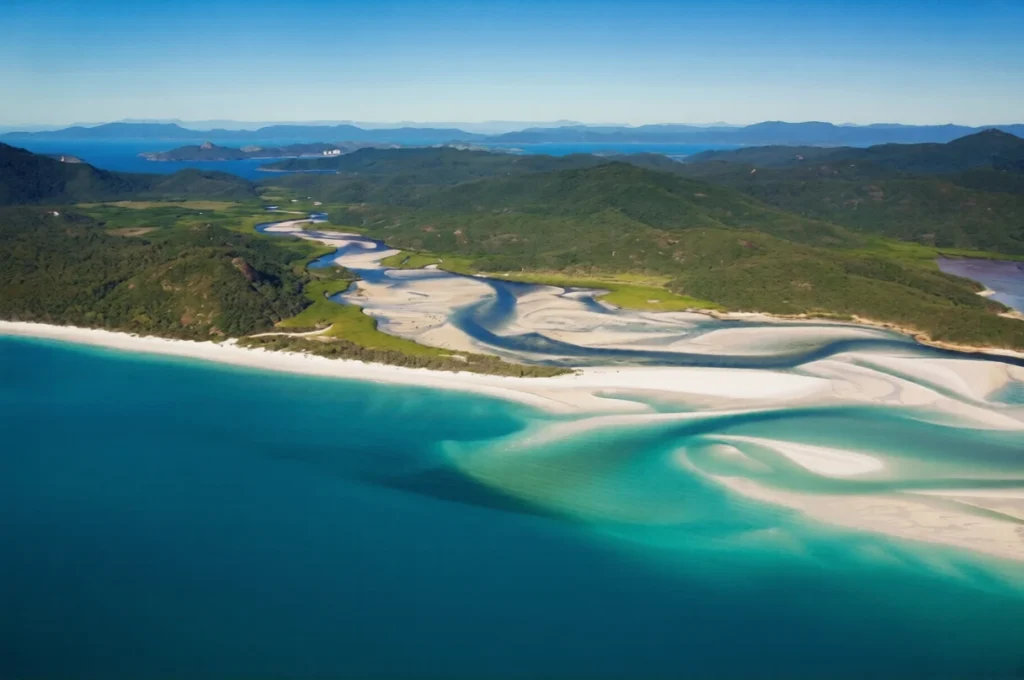
No trip to the region feels complete without visiting Whitehaven Beach. Located on Whitsunday Island, this beach consistently ranks among the most beautiful shorelines in the world. The sand consists of 98 percent pure white silica. This gives it a brilliant, glowing color and prevents it from retaining heat, so it always feels cool under bare feet.
The best way to experience the area involves hiking up to the Hill Inlet lookout. From there, hikers can watch the shifting tides swirl the white sand and turquoise water together, creating a breathtaking natural painting.
Because this island sits inside a national park, visitors will not find any permanent shops or restaurants here. Everyone must practice Leave No Trace principles. Tourists must pack up all their rubbish and take it back with them to keep this pristine environment perfectly clean for future generations.
Book Cairns Accommodations – Visitors needing a comfortable base for their reef adventures will find excellent options in Cairns. Travelers can choose from sustainable eco-resorts to relaxing family-friendly hotels. Browse hotels and accommodations in Cairns.
6. Explore Where the Rainforest Meets the Reef
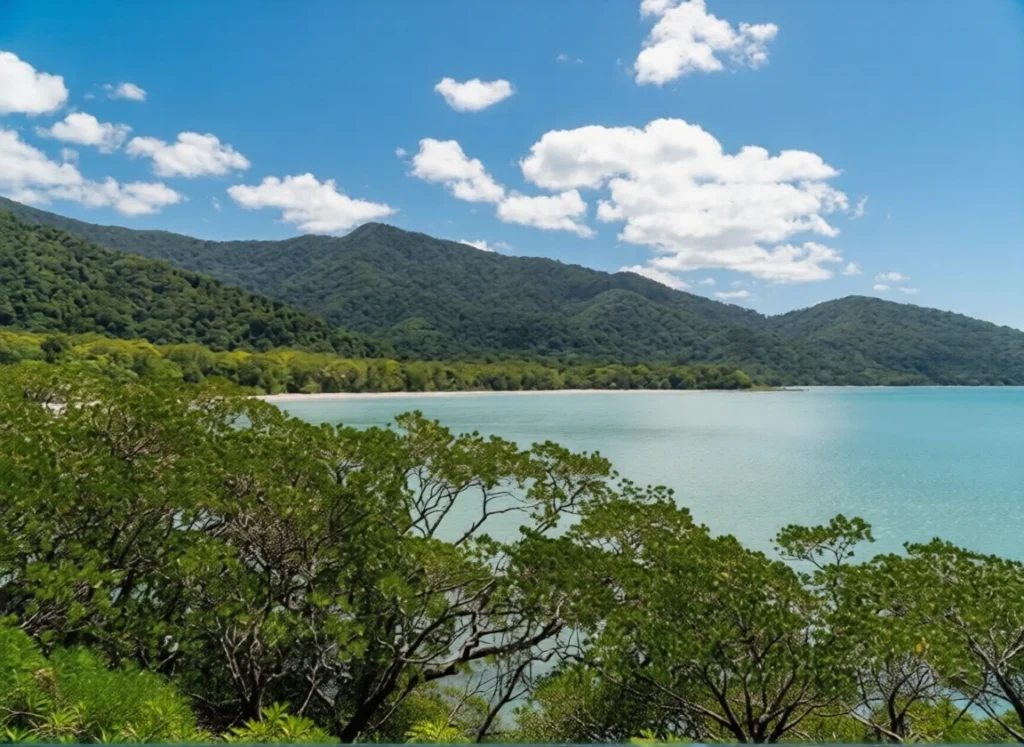
- Cape Tribulation Walk along the empty beaches where lush, green jungle trees hang over the coral sea.
- Wildlife Spotting The rainforest serves as home to rare animals like the prehistoric cassowary bird and native tree kangaroos.
- Eco-Walks Join a guided boardwalk tour to learn about ancient plant species that have survived for millions of years.
To truly respect this land, book a tour guided by the local Kuku Yalanji people. They share ancient survival knowledge, teach visitors about bush food, and explain the deep spiritual connection between the rainforest and the ocean.
7. Visit a Turtle Rehabilitation Centre
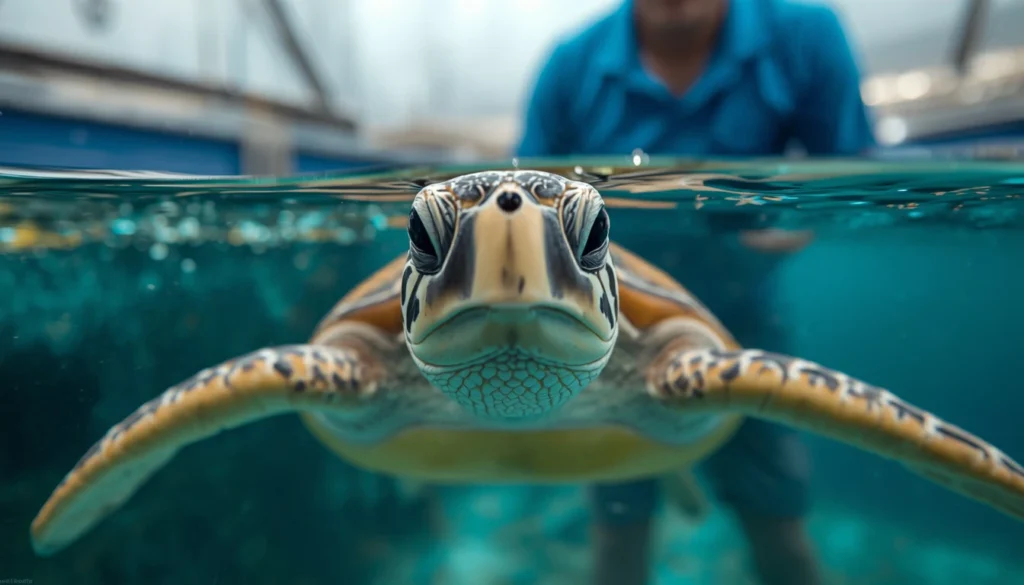
The Great Barrier Reef hosts six of the world’s seven species of marine turtles. Unfortunately, many turtles suffer from boat strikes, plastic pollution, or illness. Visiting a Turtle Rehabilitation Centre provides a heartwarming and highly educational experience for families and solo travelers alike.
Locations like the Cairns Turtle Rehabilitation Centre on Fitzroy Island allow visitors to see the recovery process firsthand. Volunteers work tirelessly to nurse sick and injured turtles back to health before releasing them into the ocean.
Entry tickets and donations directly fund the food, medicine, and veterinary care these gentle creatures need. Guests leave with a deeper understanding of marine conservation and practical knowledge on how reducing single-use plastics saves ocean life.
8. Experience an Eco-Friendly Pontoon Base
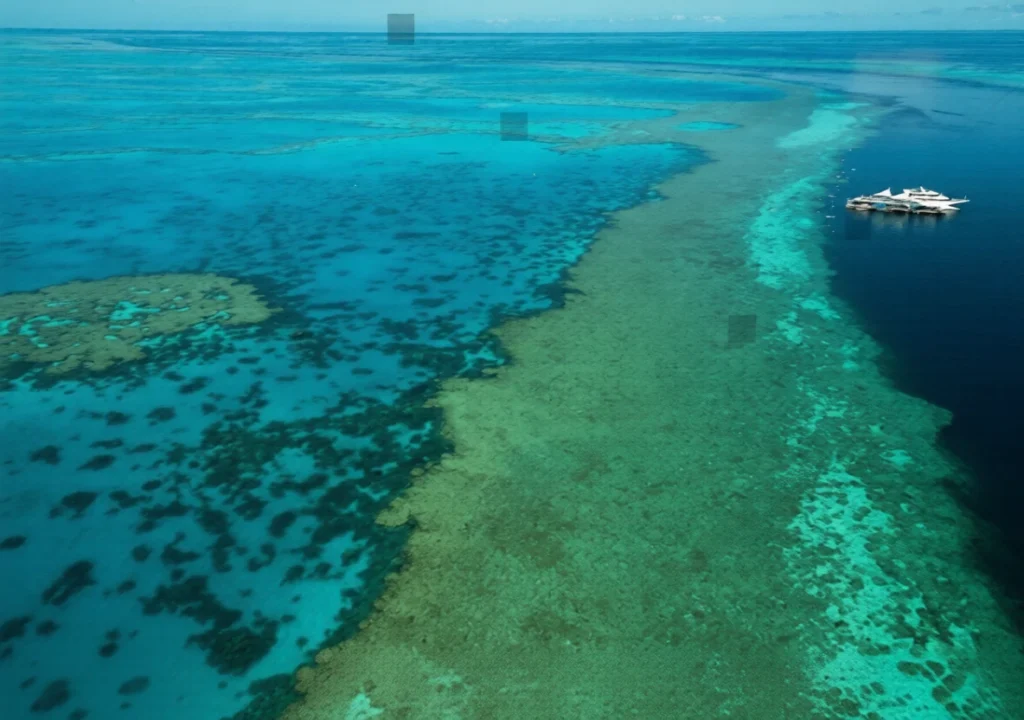
- Marine Biologist Presentations 📌 Throughout the day, experts give talks about coral bleaching, climate change, and reef resilience.
- Citizen Science Programs 📌 Some tours let guests become citizen scientists for the day. Participants help guides count fish species, photograph coral health, and upload the data to global research databases.
- Renewable Energy 📌 Modern eco-pontoons utilize solar panels and wind turbines to generate their power, minimizing their carbon footprint on the reef.
9. Swim with Majestic Manta Rays
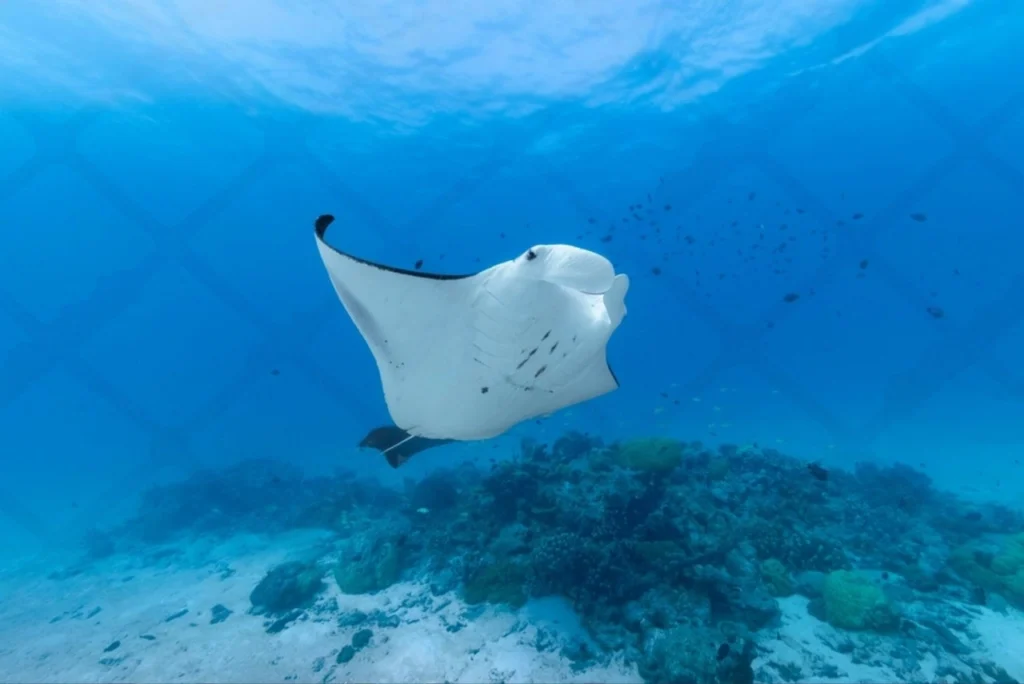
If snorkelers want a truly magical wildlife encounter, they should head to the Southern Great Barrier Reef. Islands like Lady Elliot Island and Lady Musgrave Island are famous for their manta ray populations. These giant, graceful creatures can have wingspans of up to 20 feet.
Unlike stingrays, manta rays do not have barbed tails. They act completely harmless and incredibly curious. They often glide gently around snorkelers and divers, putting on a beautiful underwater ballet. The best time to see them in large numbers happens during the winter months from May to August.
Lady Elliot Island also operates as a pioneer in eco-tourism. The island runs almost entirely on renewable energy and has banned single-use plastics. By choosing to stay there, guests directly support a resort that puts the environment first.
10. Learn from Indigenous Cultural Reef Tours

The Aboriginal and Torres Strait Islander peoples have acted as the traditional custodians of the reef for tens of thousands of years. They call it Sea Country. Joining an Indigenous-led reef tour adds profound cultural depth to any visit.
Indigenous guides teach travelers traditional creation stories and explain how their ancestors navigated the stars, hunted sustainably, and read the seasonal changes in the water. Tourists learn that the reef is not just an attraction, but a sacred, living entity intertwined with human culture and history.
This unique perspective transforms a simple snorkeling trip into a deeply meaningful cultural exchange. Visitors walk away with a richer respect for the traditional owners and their ancient, sustainable methods of managing marine resources.
Compare The Best Reef Activities
| Activity | Best Suited For | Eco-Friendliness and Conservation Focus |
|---|---|---|
| Snorkeling | Families, beginners, and nature lovers. | High (If using reef-safe sunscreen and no-touch rules). |
| Scuba Diving | Adventurers and certified divers seeking deep exploration. | High (By choosing eco-certified dive shops). |
| Helicopter Flights | Couples, photographers, and those short on time. | Medium (Provides unmatched views, but relies on aviation fuel). |
| Glass-Bottom Boats | Non-swimmers, seniors, and young kids. | High (Educational and harmless to marine life). |
| Turtle Rehabilitation | Animal lovers and passionate conservationists. | Very High (Directly funds animal rescue and medical care). |
Practical Tips for a Sustainable Trip
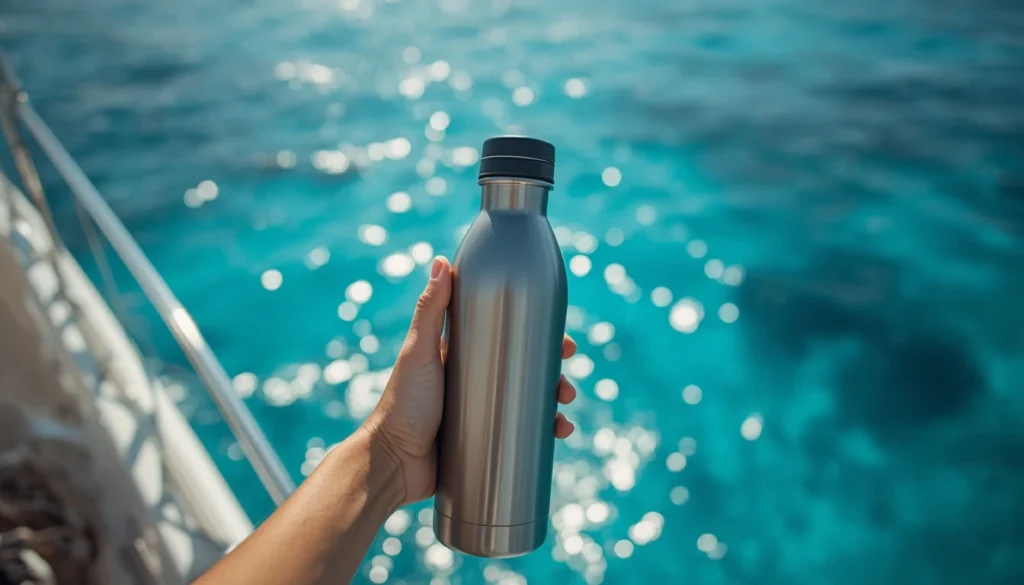
- Pack Reusable Items Bring a reusable water bottle, a cloth tote bag, and a personal coffee cup. Reducing plastic waste stops debris from blowing off boats into the ocean.
- Check for Eco-Certifications Always look for the Advanced Ecotourism badge when booking tour operators. This proves they actively reduce carbon emissions and support reef research.
- Pay the Reef Tax Happily When tourists book a tour, a small portion of the ticket price goes toward the Environmental Management Charge. This money funds the rangers who patrol and protect the marine park.
- Travel in the Shoulder Season Visiting during the shoulder seasons (Spring or Autumn) reduces over-tourism. It eases the pressure on popular reef sites while giving travelers a quieter, more peaceful experience.
Remember that visitors hold the power to make a positive impact. By spending travel budgets with responsible operators, tourists prove that sustainable tourism represents the most profitable path forward for local communities.
Join the Travel Community – Travel enthusiasts seeking daily inspiration, destination guides, and sustainable travel tips can connect with like-minded explorers online. Join the CultuRoute Telegram channel here.