Food tells the truest story of a culture. While everyone loves a great slice of pizza, a fresh roll of sushi, or a warm taco, the culinary world offers so much more. If you consider yourself an adventurous eater, it is time to look beyond the mainstream menus.
Thank you for reading this post, don't forget to subscribe!Many travelers miss out on incredible flavors simply because they do not know what to order. Authentic cultural meals hide in busy street markets, modest family restaurants, and quiet village kitchens. These lesser-known meals pack rich histories and explosive flavors into every bite.
In this guide, we explore 15 fantastic traditional dishes from around the globe. We bypass the famous foods to uncover hidden gems that deserve a spot on your culinary bucket list. Whether you plan to travel soon or just want to expand your home-cooking repertoire, these meals will inspire your inner food enthusiast.
Quick Culinary Reference Guide
Before we dive into the details, use this quick comparison table to preview the amazing global flavors waiting for you.
Dish Name | Country of Origin | Main Flavor Profile | Best Time to Eat |
Mohinga | Myanmar | Savory, Fishy, Herbal | Breakfast |
Ajiaco | Colombia | Earthy, Comforting, Creamy | Lunch / Dinner |
Salteñas | Bolivia | Sweet, Savory, Spicy | Mid-morning Snack |
Cullen Skink | Scotland | Smoky, Creamy, Rich | Dinner |
Bobotie | South Africa | Sweet, Spiced, Savory | Dinner |
Pastel de Choclo | Chile | Sweet Corn, Savory Meat | Lunch |
Koshari | Egypt | Tangy, Spicy, Hearty | Anytime |
Gudeg | Indonesia | Sweet, Rich, Nutty | Lunch |
Zurek | Poland | Sour, Meaty, Warm | Lunch / Dinner |
Plov | Uzbekistan | Savory, Garlicky, Rich | Lunch / Dinner |
Chivito | Uruguay | Salty, Meaty, Decadent | Lunch / Late Night |
Solyanka | Eastern Europe | Sour, Salty, Spicy | Lunch |
Ayam Buah Keluak | Singapore & Malaysia | Earthy, Bitter, Complex | Dinner |
Baleada | Honduras | Simple, Savory, Creamy | Breakfast / Dinner |
Fesenjan | Iran | Sweet, Sour, Nutty | Dinner |
- Table of Contents hide
Mohinga (Myanmar)
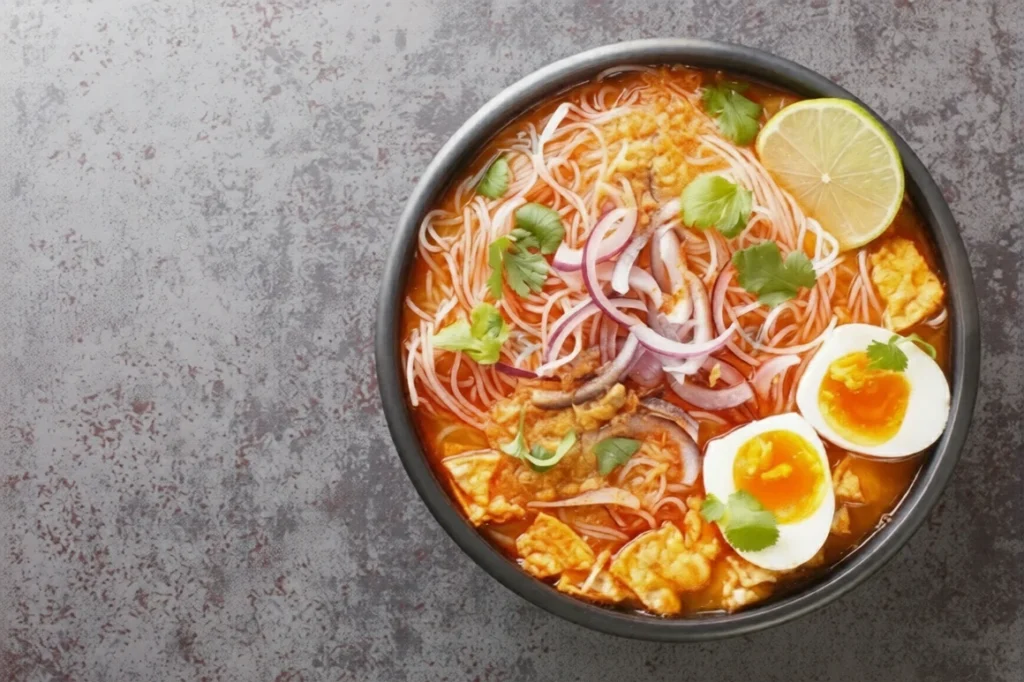
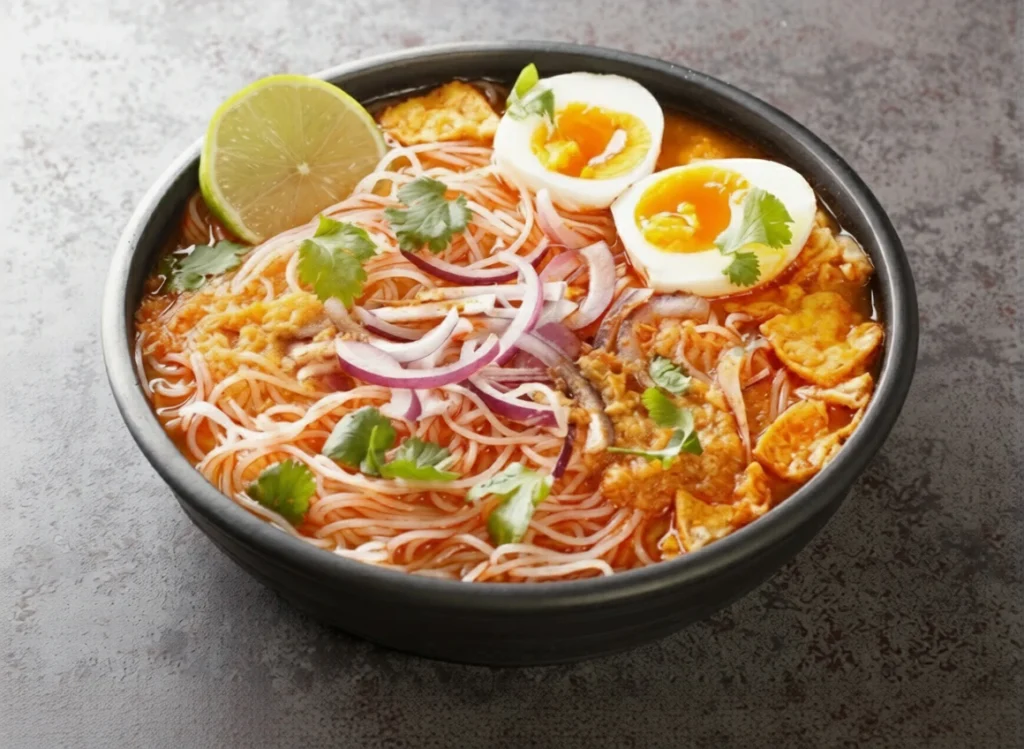
When people think of Southeast Asian noodle soups, Pho or Khao Soi usually come to mind. However, Myanmar offers an incredible dish called Mohinga. Locals consider this hearty fish soup the unofficial national dish of the country. Cooks prepare the broth slowly using catfish, lemongrass, garlic, and banana tree stems. They pour this fragrant broth over delicate rice vermicelli noodles.
Key Ingredients
- Catfish broth
- Lemongrass and ginger
- Banana tree tender stems
- Rice vermicelli noodles
- Crispy split chickpea fritters (for topping)
Pro Tip – Locals eat Mohinga exclusively for breakfast. Wake up early and head to a busy street stall to experience the freshest, most authentic bowl.
Ajiaco (Colombia)
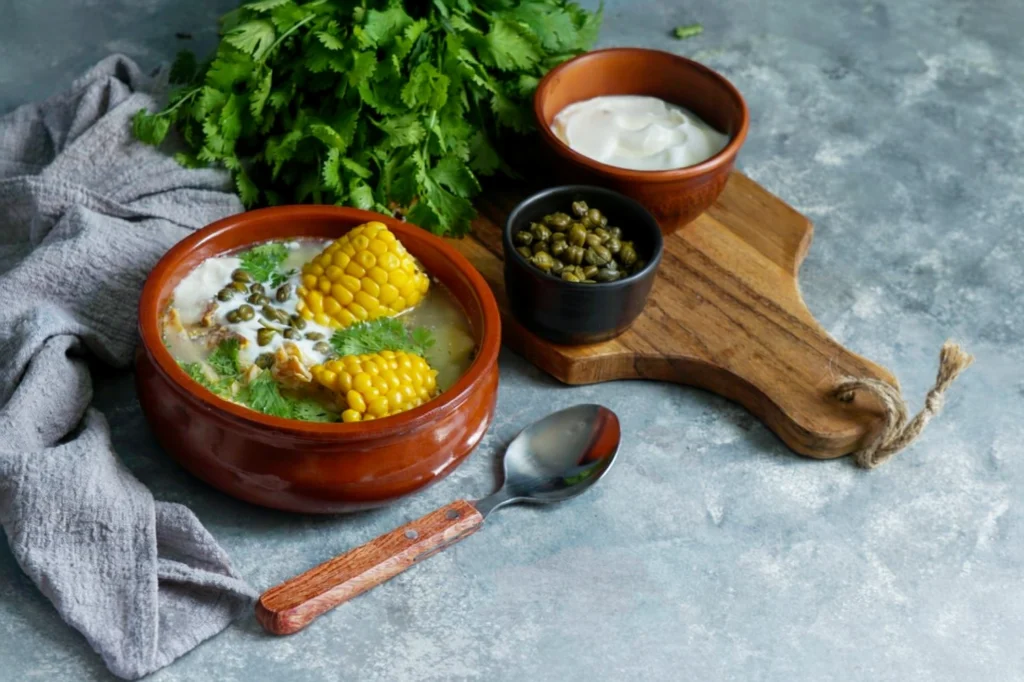
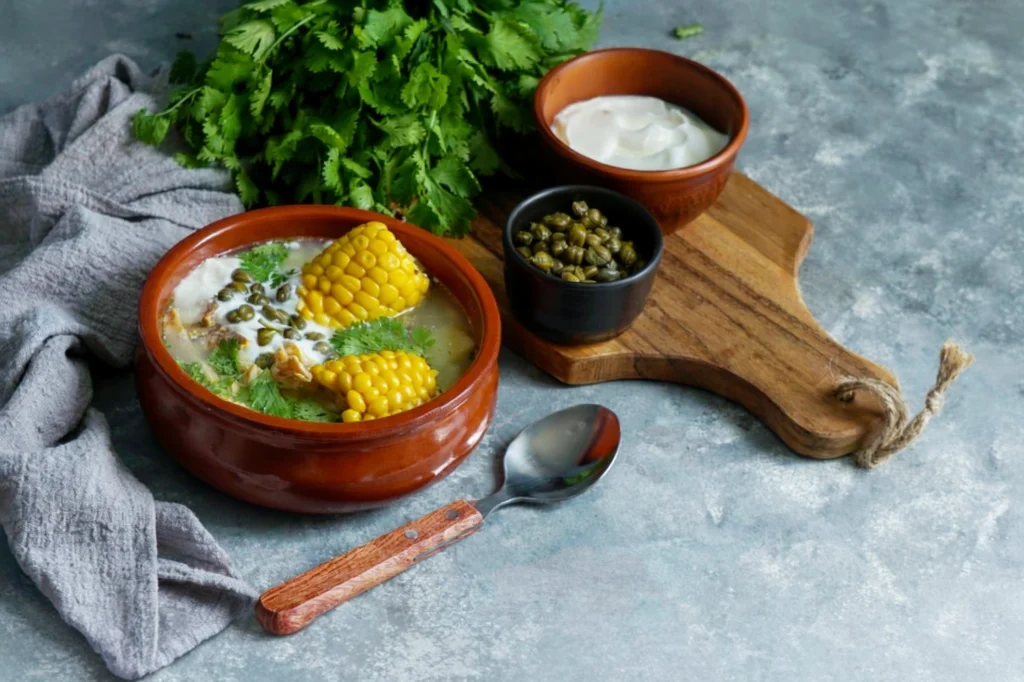
Colombia boasts many delicious meals, but Ajiaco stands out as the ultimate comfort food. This rich chicken soup originates from the capital city, Bogotá. Chefs use three different types of local potatoes to create a thick, creamy texture. The magic ingredient is an indigenous herb called “guasca,” which gives the soup its distinctive earthy flavor.
Key Ingredients
- Shredded chicken
- Papa criolla, sabanera, and pastusa (three potato varieties)
- Corn on the cob
- Guasca herbs
Important Note – You must garnish your Ajiaco properly! Always mix in a spoonful of thick cream and a handful of salty capers right before eating.
Salteñas (Bolivia)
You probably know about empanadas, but Bolivian Salteñas take the concept to a completely new level. Bakers create a slightly sweet, golden pastry crust and fill it with a savory, gelatin-based stew containing meat, potatoes, and peas. When you bite into a hot Salteña, the filling melts into a delicious soup.
Key Ingredients
- Sweet baked pastry dough
- Beef or chicken stew
- Hard-boiled eggs
- Olives and raisins
“Eating a Salteña without spilling the hot soup down your shirt is an art form. You bite the top off and drink the broth first, then eat the rest.” – Local Bolivian Food Guide

Cullen Skink (Scotland)
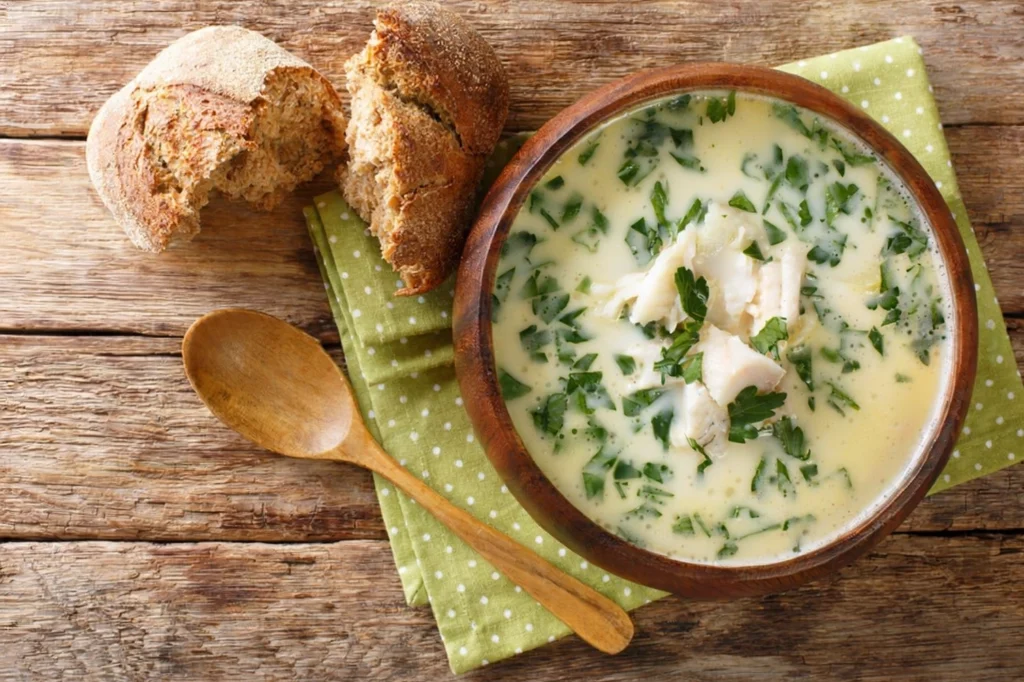
Scotland offers much more than Haggis. Cullen Skink is a thick, creamy soup originating from the small town of Cullen. If you enjoy New England clam chowder, this dish will amaze you. Cooks use smoked haddock, potatoes, and onions to create a smoky, rich, and deeply satisfying bowl of warmth. It provides the perfect remedy for a cold, rainy Scottish evening.
Key Ingredients
- Smoked haddock (Finnan haddie)
- Potatoes
- Onions
- Whole milk or cream
Bobotie (South Africa)
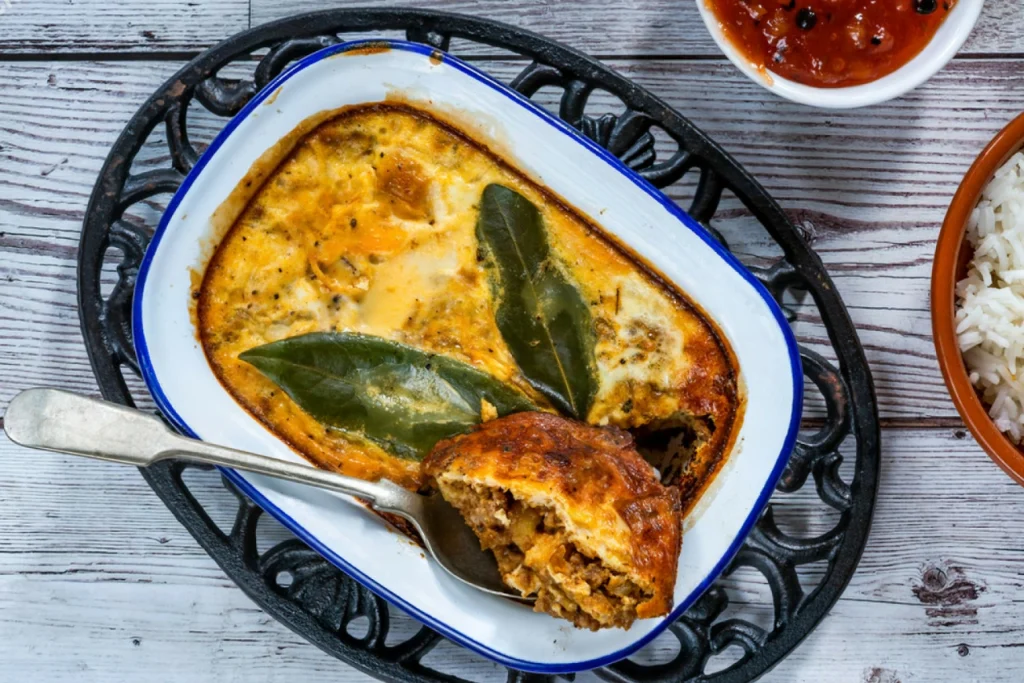
South African cuisine blends multiple cultures perfectly. Bobotie (pronounced ba-boo-tea) represents this beautiful blend. Cooks mix spiced minced meat with dried fruit, bake it, and top it with a savory egg custard. The dish delivers a complex balance of sweet, spicy, and savory flavors that dance on your tongue.
Key Ingredients
- Minced beef or lamb
- Curry powder and turmeric
- Raisins or sultanas
- Egg and milk topping
Pro Tip – Always eat Bobotie with a side of yellow rice and sweet fruit chutney. The chutney cuts through the richness of the meat perfectly.
l Pastede Choclo (Chile)
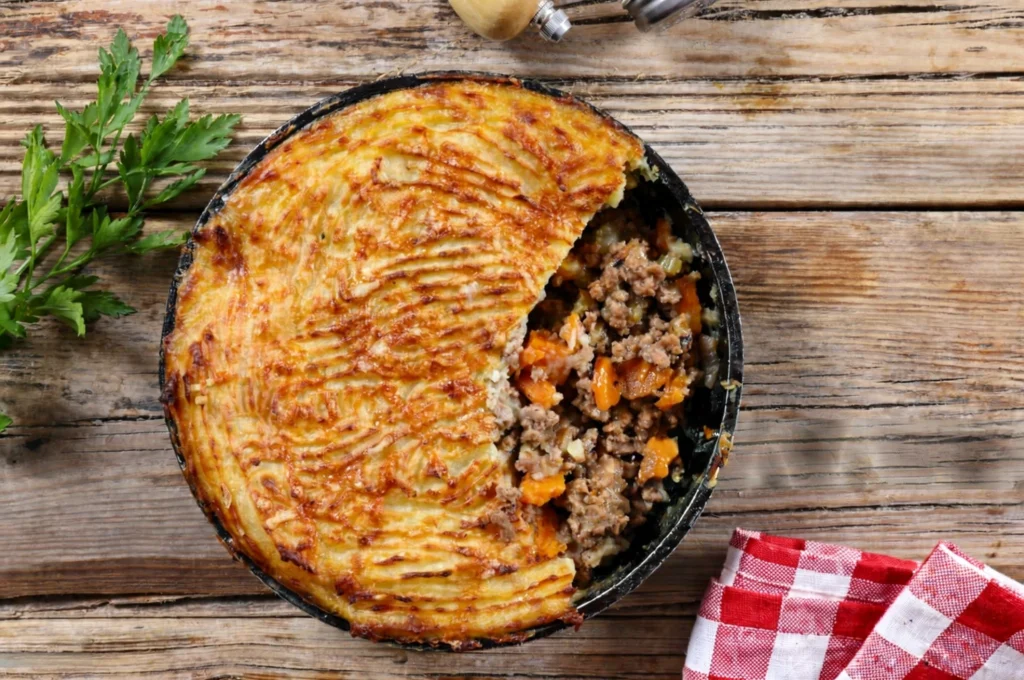
Travelers in South America often overlook Chilean food, but Pastel de Choclo demands your attention. This dish translates to “corn pie.” Chefs layer a rich meat mixture with black olives, hard-boiled eggs, and raisins. They top it all with a thick crust of sweet corn paste. Cooks bake the dish in traditional clay pots until the corn caramelizes and forms a beautiful crust.
Key Ingredients
- Ground beef and chicken
- Sweet corn (choclo) paste
- Black olives
- Hard-boiled eggs
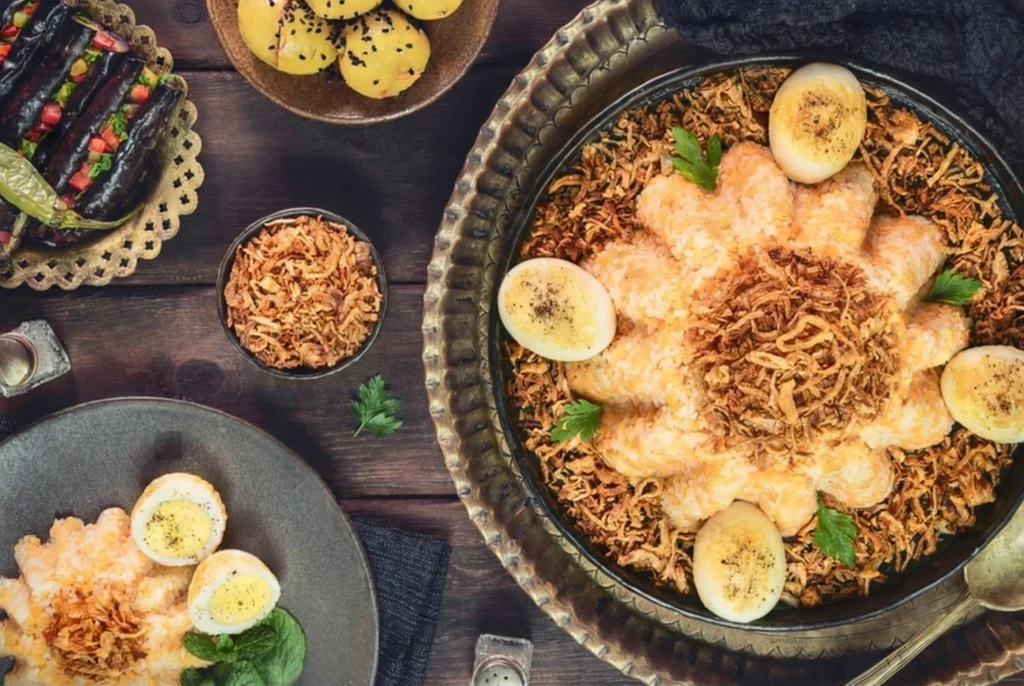
Koshari (Egypt)
You cannot talk about traditional dishes in the Middle East without mentioning Koshari. This Egyptian street food is a carb-lovers dream. Vendors mix rice, macaroni, and lentils in a large bowl. They top this mixture with a spicy tomato sauce, garlic vinegar, and a massive handful of crispy fried onions. It fills you up, costs very little, and tastes completely unique.
Key Ingredients
- Rice, lentils, and macaroni
- Spicy tomato sauce
- Garlic vinegar (Dakka)
- Crispy fried onions
- Chickpeas
Important Note – Koshari is completely vegetarian and naturally vegan. It provides a massive source of plant-based protein for travelers.
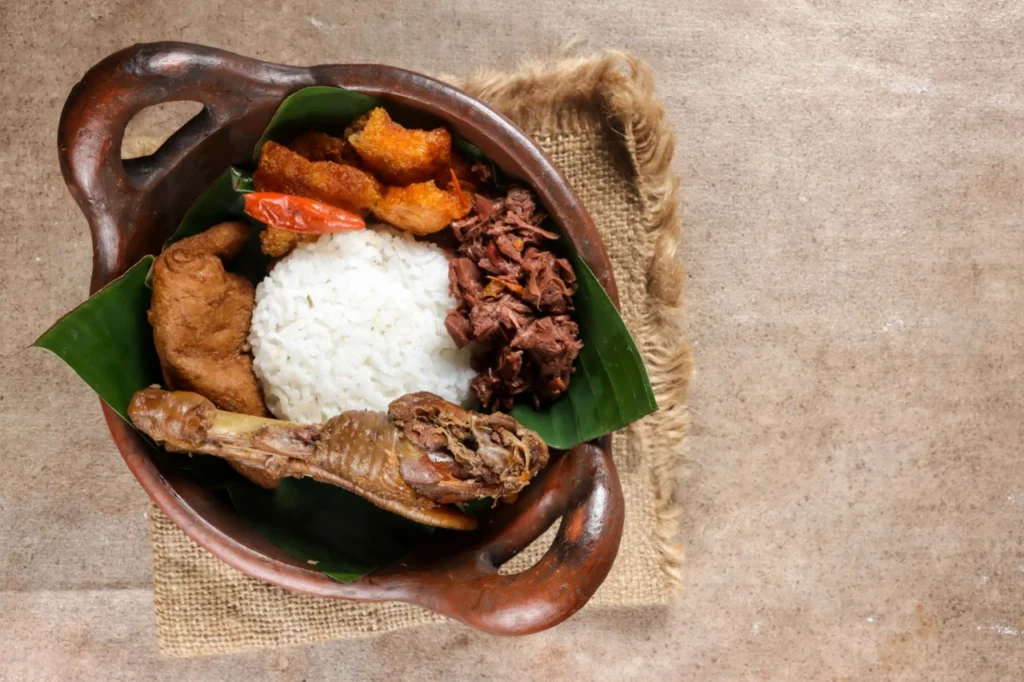
Gudeg (Indonesia)
While the world recognizes Rendang and Nasi Goreng, Gudeg remains a hidden treasure outside of Indonesia. Originating from Yogyakarta, cooks slowly boil unripe jackfruit in coconut milk and palm sugar for several hours. The jackfruit absorbs the dark color of teak leaves and develops a tender, meat-like texture with a sweet and rich flavor.
Key Ingredients
- Young unripe jackfruit
- Coconut milk
- Palm sugar
- Teak leaves (for color)
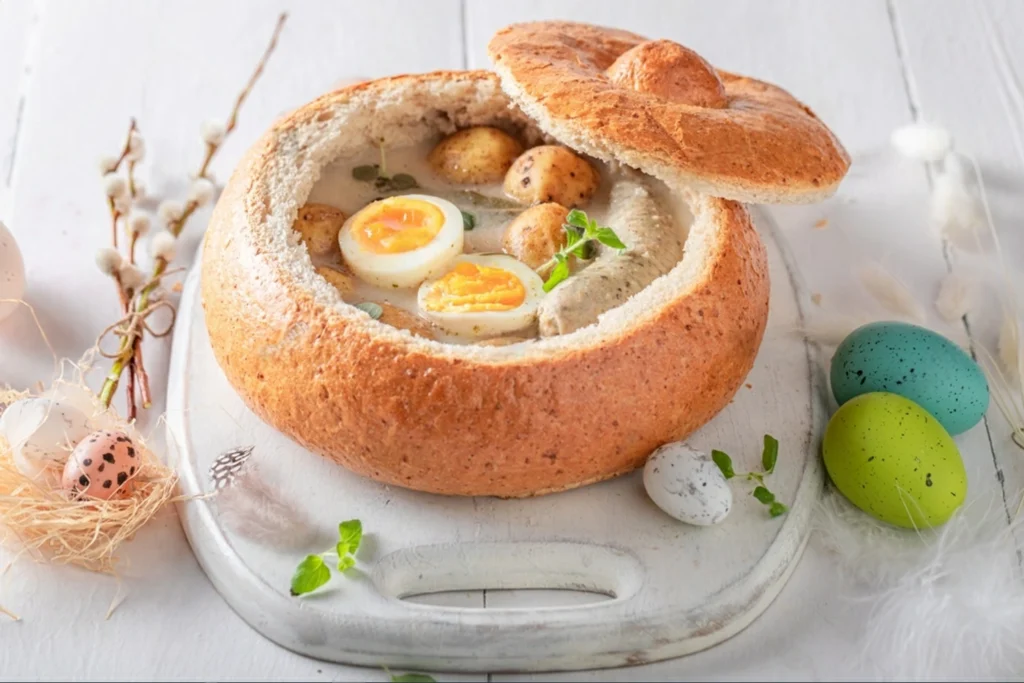
Zurek (Poland)
Eastern European soups offer deep, complex flavors. Zurek stands out as one of Poland’s finest culinary achievements. Cooks ferment rye flour and water for several days to create a sour base. They use this base to build a hearty soup featuring white sausage, potatoes, and boiled eggs. The sour, meaty flavor profiles provide ultimate winter comfort.
Key Ingredients
- Sour rye starter
- White sausage (Kielbasa)
- Hard-boiled eggs
- Marjoram
“Zurek looks simple, but the fermented rye gives it a tangy depth that no other soup can match. It tastes like a warm hug on a freezing winter day.” – Polish Culinary Historian
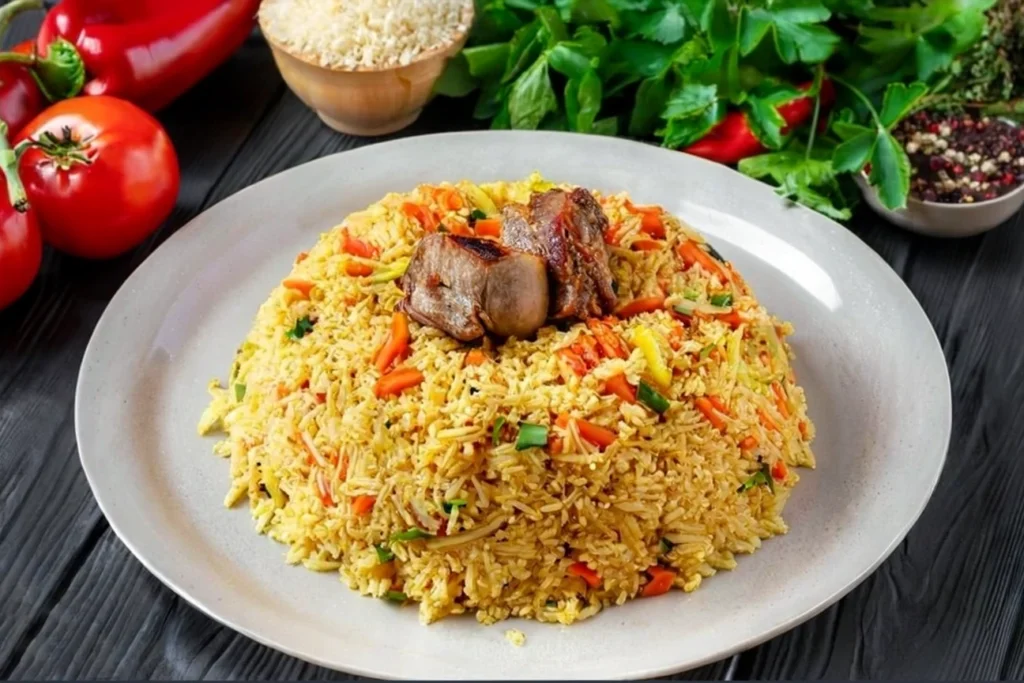
Plov (Uzbekistan)
Central Asia features a massive variety of rice dishes, but Uzbek Plov rules them all. In Uzbekistan, Plov represents community, celebration, and family. Chefs cook rice, lamb, carrots, and whole garlic bulbs together in a massive cast-iron cauldron called a kazan. The rice soaks up the animal fats and spices, resulting in a dish you will crave for days.
Key Ingredients
- Long-grain rice
- Lamb or beef
- Yellow carrots
- Whole garlic heads
- Cumin seeds
Pro Tip – Plov contains a lot of oil and fat. Pair it with a fresh tomato and onion salad (known as Achichuk) to cut through the richness and balance your palate.
Chivito (Uruguay)
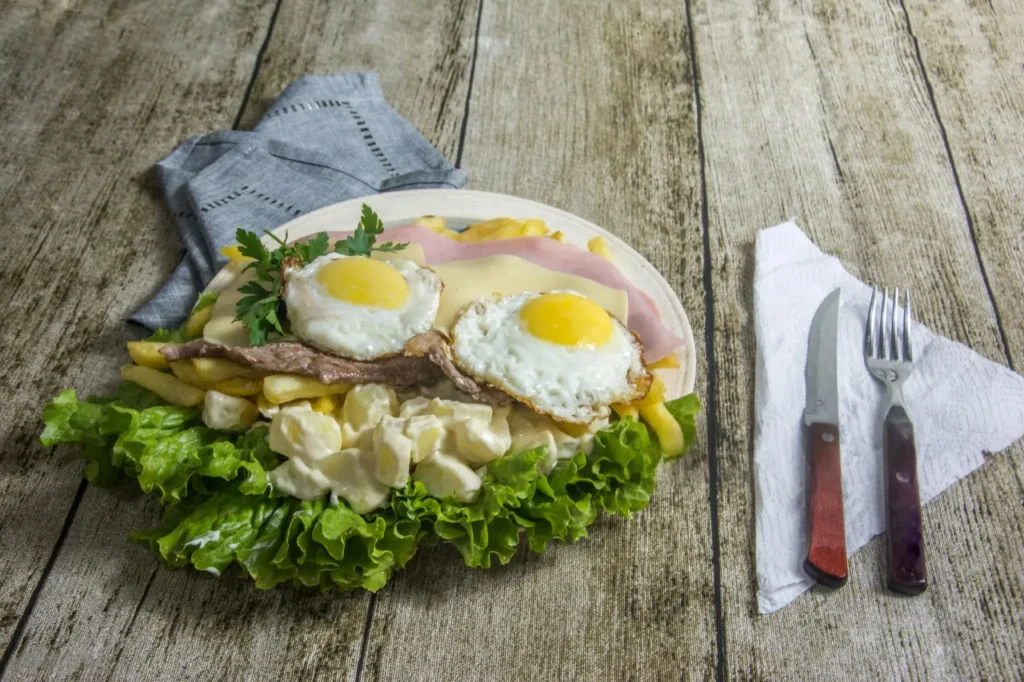
Move over hamburgers. The Chivito holds the title of the world’s most epic sandwich. Originating in Uruguay, this massive creation features thin slices of tender steak layered with incredible toppings. You will not find any filler here. Every bite delivers salt, fat, crunch, and pure joy.
Key Ingredients
- Thinly sliced beef steak (Churrasco)
- Mozzarella cheese
- Bacon and ham
- Fried or hard-boiled egg
- Olives and mayonnaise
Solyanka (Eastern Europe)
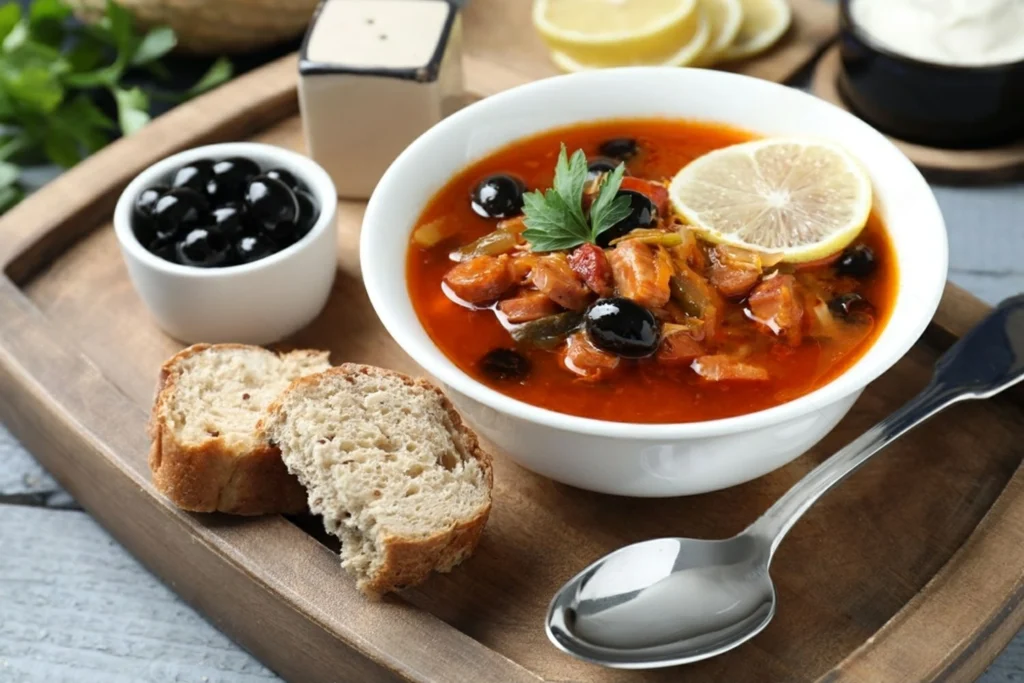
Solyanka is a thick, spicy, and sour soup popular in Russia and Ukraine. Cooks throw away the rulebook with this dish. They use a mixture of cured meats, sausages, pickled cucumbers, olive brine, and lemon. The result tastes intensely savory and pleasantly acidic. It famously cures hangovers after long nights of celebration.
Key Ingredients
- Mixed meats (sausage, beef, ham)
- Pickled cucumbers and brine
- Black olives
- Lemon slices
- Sour cream (Smetana)
Ayam Buah Keluak (Singapore & Malaysia)
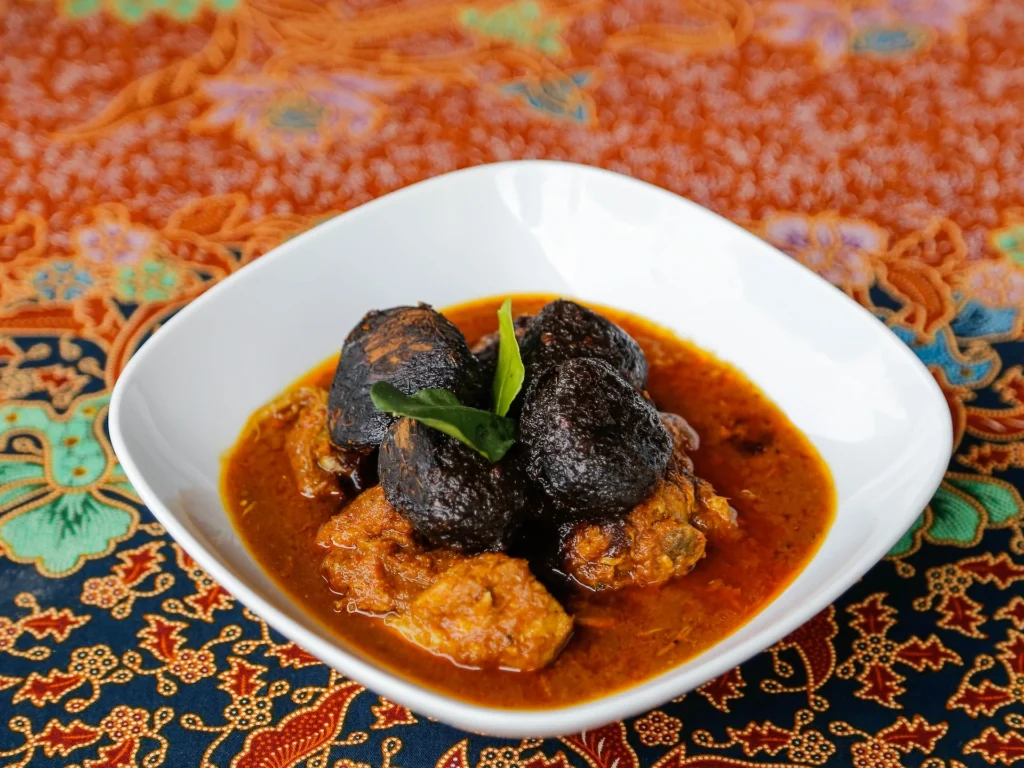
If you want a truly daring culinary adventure, you must try Ayam Buah Keluak. This Peranakan chicken dish uses the seeds of the Kepayang tree. In their raw form, these seeds contain deadly hydrogen cyanide. Cooks undergo a complex fermentation and boiling process to make the seeds safe. The resulting flavor tastes dark, earthy, and remarkably similar to expensive black truffles.
Key Ingredients
- Chicken pieces
- Buah Keluak nuts
- Tamarind paste
- Lemongrass and galangal
Important Note – Never attempt to forage and cook raw Buah Keluak nuts yourself. Only trust experienced Peranakan chefs to prepare this dish safely.
Baleada (Honduras)
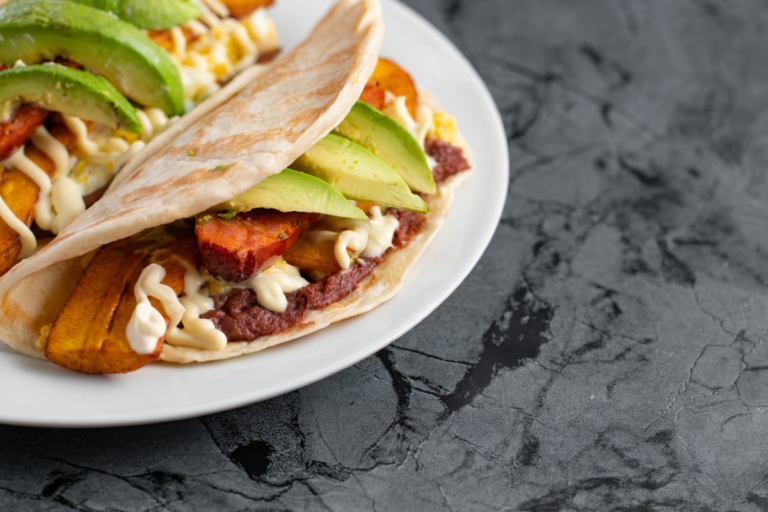
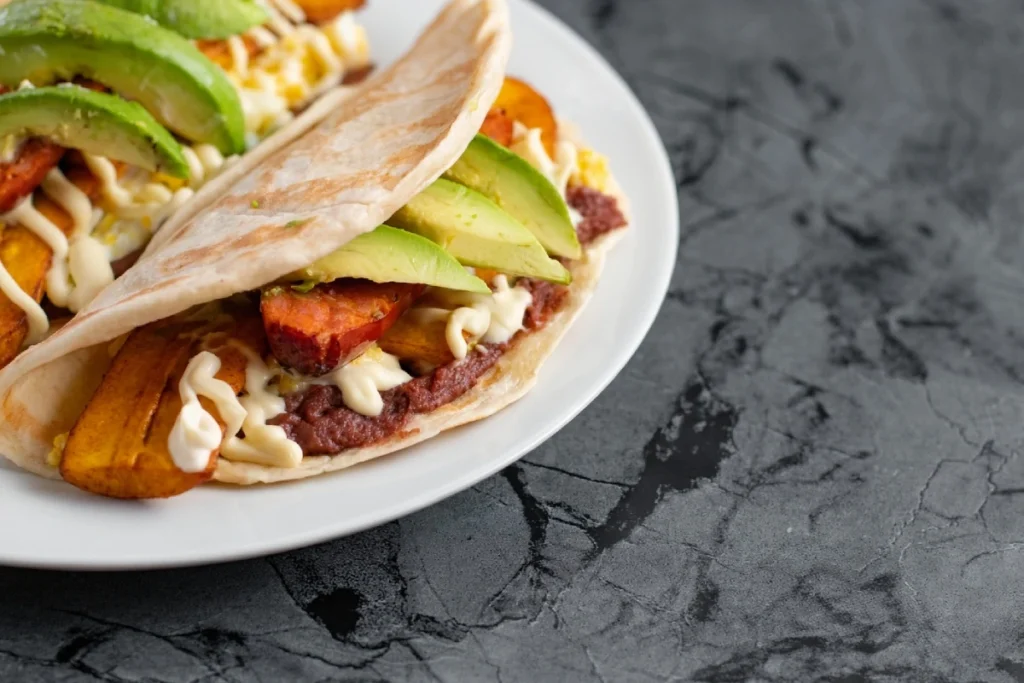
Sometimes the most amazing traditional dishes rely on perfect simplicity. The Baleada dominates Honduran street food. Vendors take a thick, handmade flour tortilla and fold it in half. They fill it with mashed fried red beans, rich salty crema, and crumbled cheese. The fresh, warm tortilla makes all the difference.
Key Ingredients
- Thick flour tortilla
- Refried red beans
- Mantequilla (Honduran cream)
- Hard salty cheese
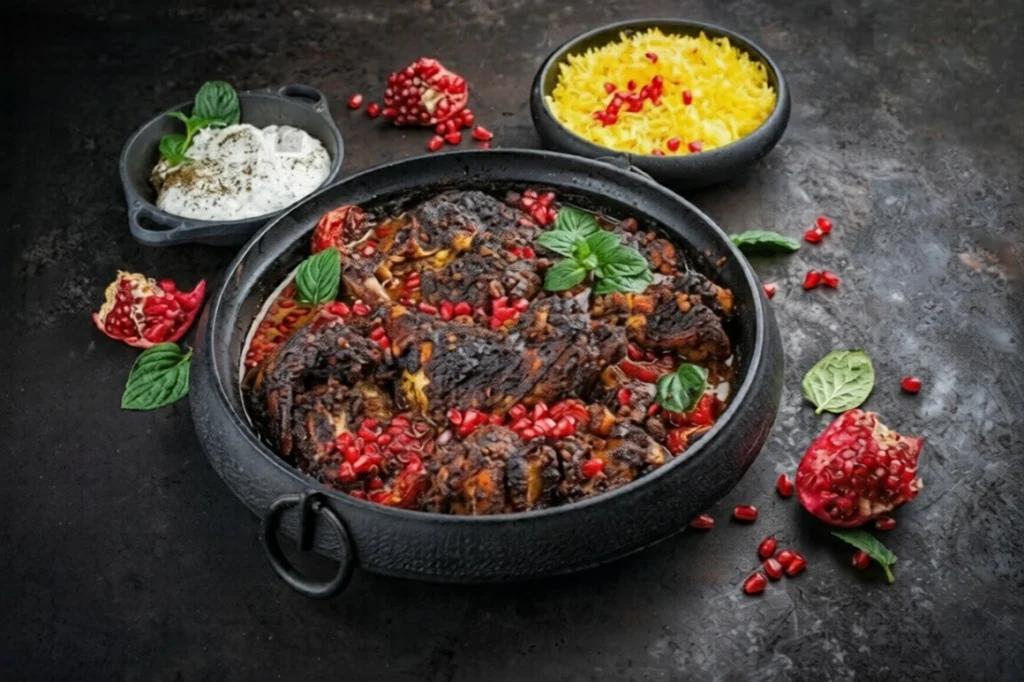
- Fesenjan (Iran)
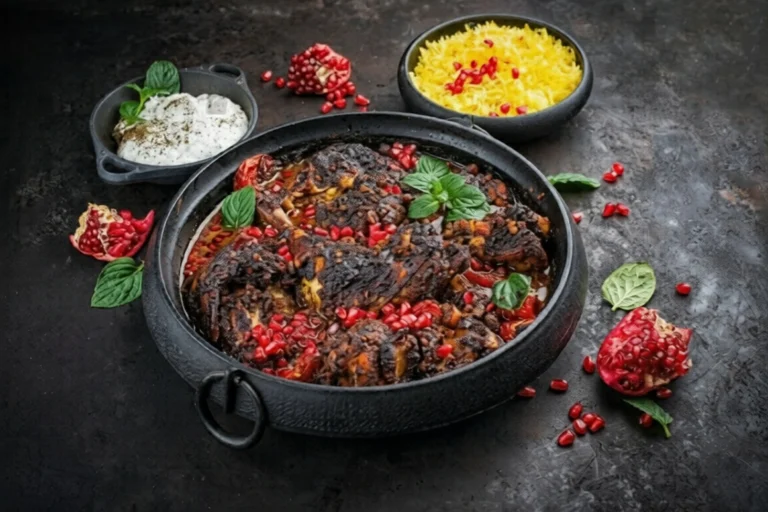
Persian cuisine features delicate balances of fruits, nuts, and meats. Fesenjan perfectly showcases this cooking style. Cooks simmer chicken or duck in a thick, dark sauce made from ground walnuts and pomegranate syrup. The dish takes hours to prepare, allowing the oils from the walnuts to release and thicken the stew. It tastes sweet, sour, nutty, and completely luxurious.
Key Ingredients
- Chicken or duck
- Ground walnuts
- Pomegranate molasses
- Saffron
How to Find Authentic Traditional Dishes While Traveling
Knowing what to eat only solves half the puzzle. Finding the highest quality version of these dishes requires a little strategy. Tourist restaurants often alter recipes to suit foreign palates. If you want to taste the real thing, follow these simple guidelines.
- Wander away from the main squares – Restaurants located directly next to major tourist monuments rarely serve authentic food. Walk a few streets away to find local spots.
- Look for small menus – A restaurant that cooks 50 different items usually relies on frozen ingredients. A spot that serves only three or four dishes perfects those recipes daily.
- Follow the working locals – If you see taxi drivers, construction workers, or local business owners crowding a tiny food stall at lunch, get in line immediately.
- Visit the morning markets – Market vendors cook fresh food for the farmers and merchants. You will find the most authentic and cheapest traditional dishes right in the middle of these bustling markets.
Conclusion | Expand Your Culinary Horizons
Tasting the world goes far beyond ordering the safe options. Every country holds culinary secrets passed down through generations. These 15 traditional dishes represent the heart, soul, and history of their respective regions. Whether you find yourself wandering the rainy streets of Scotland looking for Cullen Skink, or sitting in a hot market in Myanmar eating Mohinga, these meals connect you to the local culture.
Make a promise to yourself for your next trip. Skip the familiar chain restaurants. Be brave, point to something unknown on a local menu, and let your taste buds discover something completely new. You might just find your new favorite meal.
Frequently Asked Questions
What makes a dish “traditional”?
A traditional dish usually features local, historically available ingredients. Families pass these recipes down through multiple generations. These meals often reflect a country’s climate, agriculture, and cultural history rather than modern culinary trends.
Are traditional street foods safe to eat?
Yes, street food provides some of the safest eating experiences because you can watch the vendor cook the food right in front of you. Always look for stalls with long lines of locals, as high turnover means the food stays fresh and hot.
Can I cook these traditional dishes at home?
Absolutely! While finding specific regional ingredients (like fresh guasca for Ajiaco or raw palm sugar) might require a trip to a specialty grocery store, most of these recipes adapt well to home kitchens. Start with simpler dishes like Honduran Baleadas or Scottish Cullen Skink before tackling complex recipes like Ayam Buah Keluak.
Why do some traditional foods use weird ingredients?
Historically, people could not afford to waste any part of an animal or plant. They invented creative cooking methods to make tough meats tender or bitter plants delicious. These survival techniques evolved over centuries into the beloved, complex flavor profiles we enjoy today.